

In this blog
A landscape shaped by trees and seasons
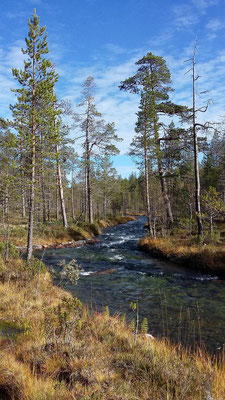
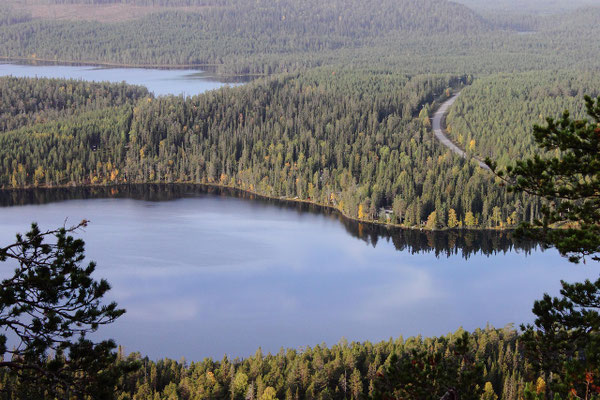
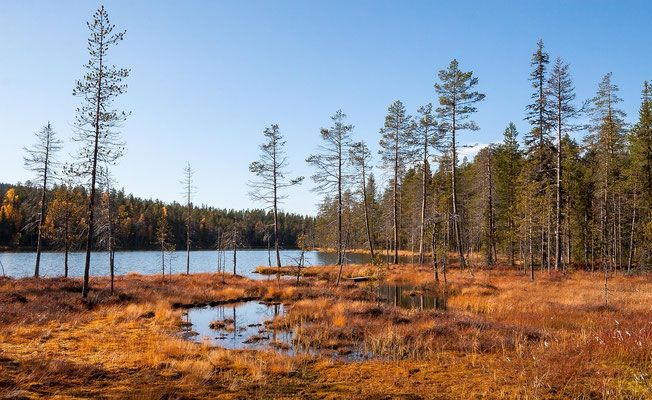
Forests are a defining part of Finnish Lapland, alongside lakes, bogs and open fell country. Their appearance changes with latitude, altitude and moisture. Around Ranua, woodland and wetlands form a varied landscape rather than one continuous type of forest.
Which trees grow here?
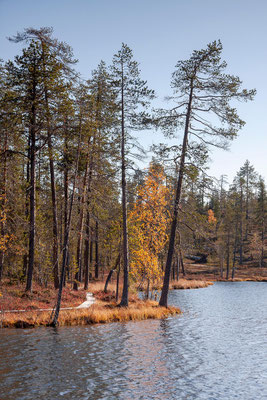
- Scots pine, Pinus sylvestris: common on drier and poorer soils, with reddish upper bark and crowns that change shape with age.
- Norway spruce, Picea abies: suited to different, often moister sites. Northern forms may have narrow crowns and downward-sloping branches.
- Birch: downy birch and silver birch bring pale trunks and seasonal colour. Their occurrence depends on local conditions.
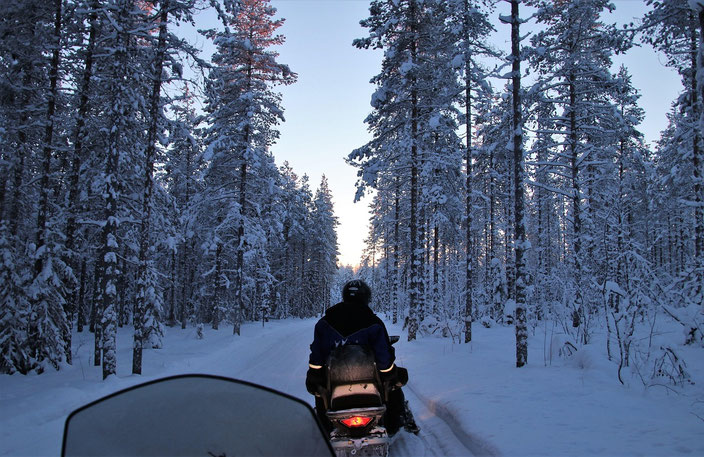
Short growing seasons and difficult winter conditions influence tree growth. A small tree can be older than a visitor expects. Growth rates also vary greatly between sheltered fertile ground and an exposed northern site.
Why are some trees so narrow?
The candle-like shape seen in northern spruce helps explain part of the winter landscape. Crown form, branch angle, wind and snow loading all influence how trees survive. It is not a rule that every northern pine or spruce has the same shape.
Heavy snow and ice can still damage branches and trunks. Leaning or broken trees are reminders that adaptation does not mean immunity to harsh conditions.
Forests also support local livelihoods
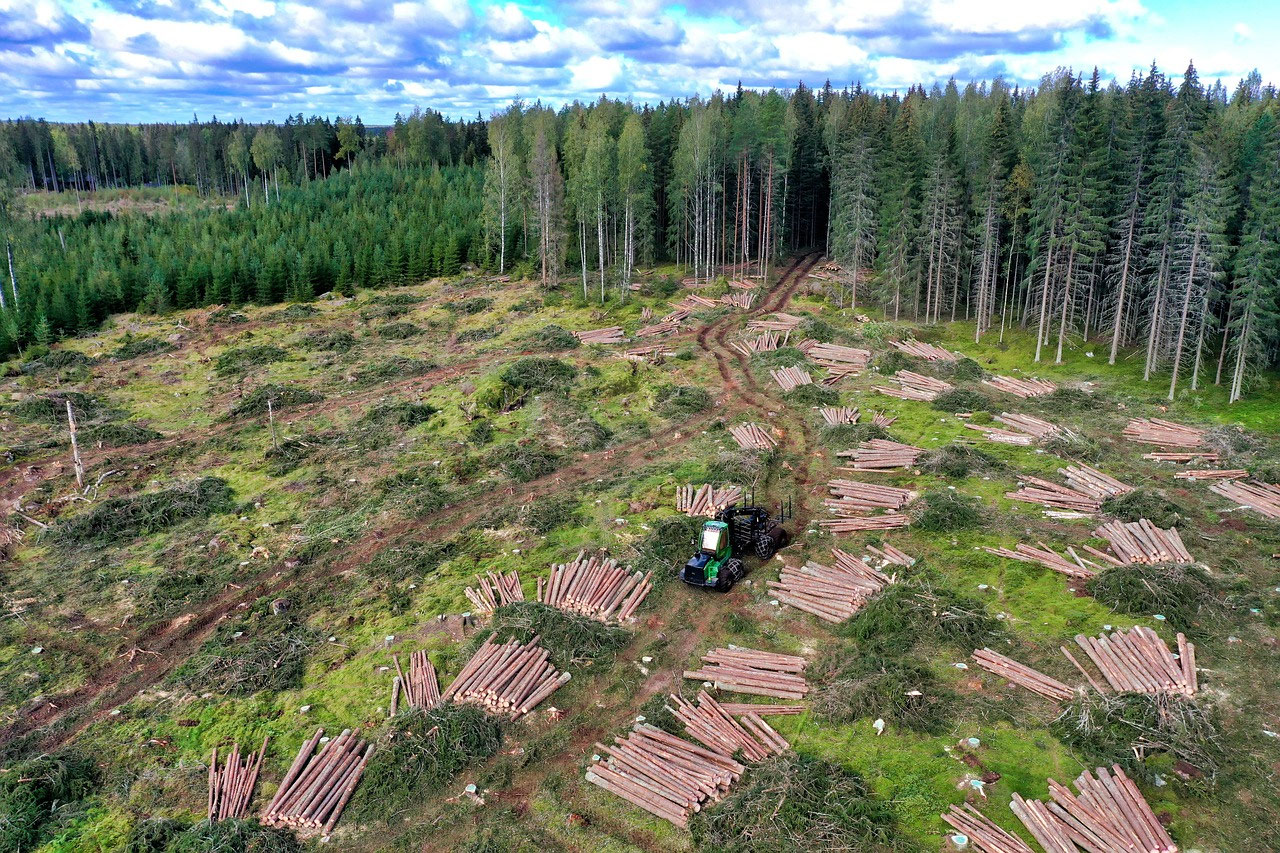
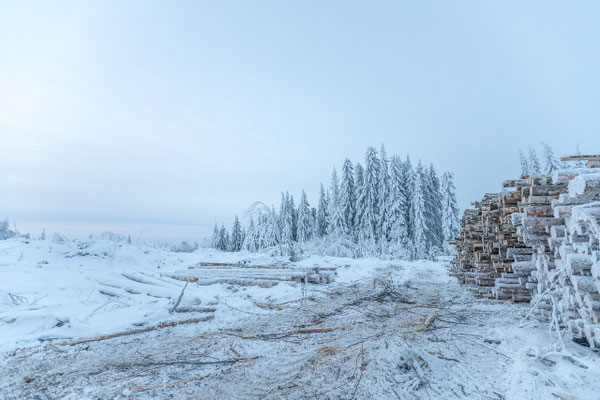
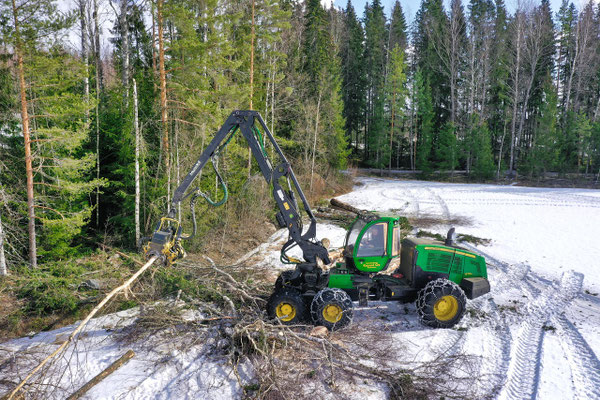
Finland has a long forestry tradition. Forest ownership includes private owners, companies and the state; Metsähallitus manages state-owned land with different uses and protection arrangements. Timber production, recreation, conservation and reindeer husbandry can overlap, sometimes with competing needs.
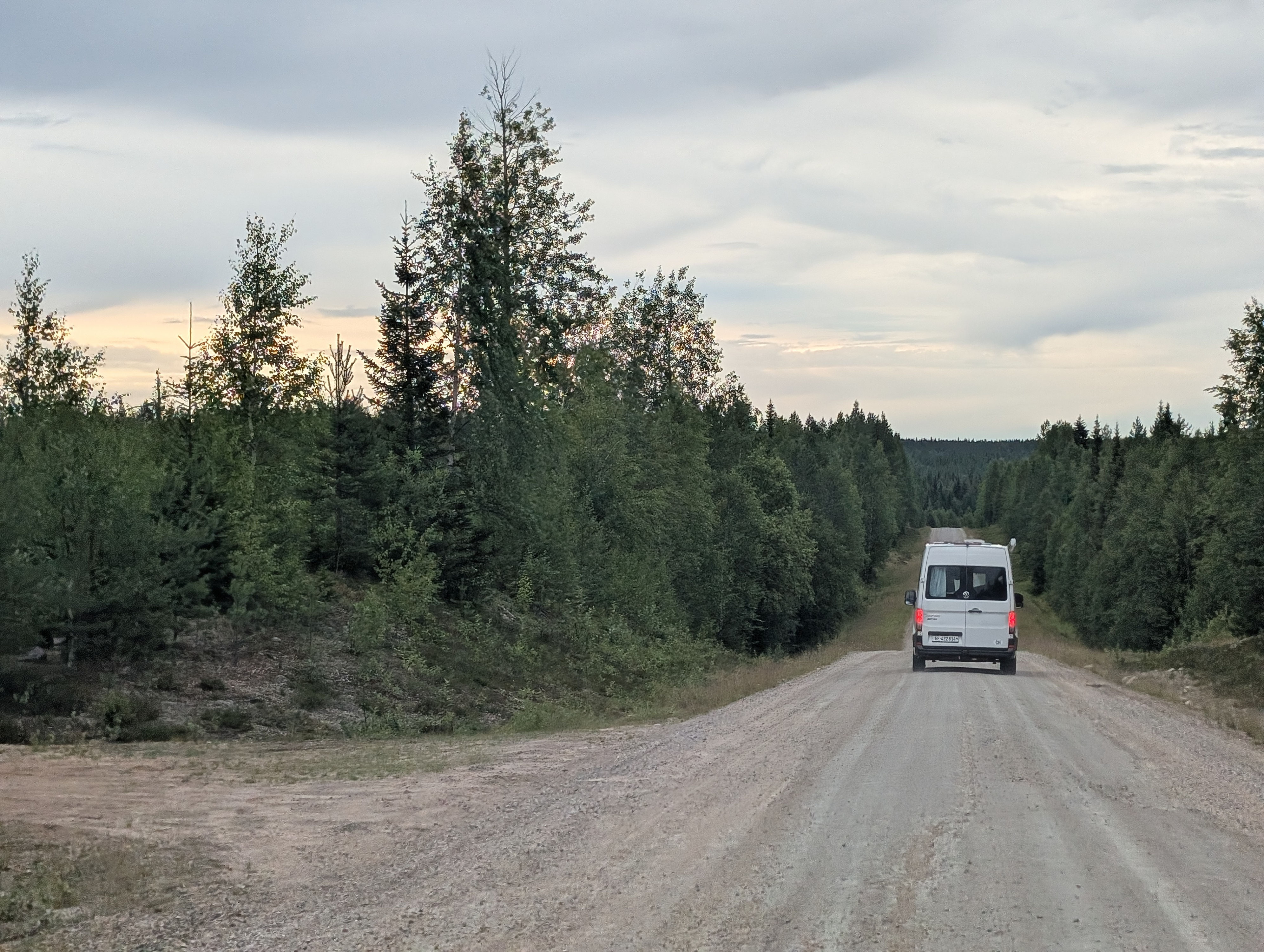
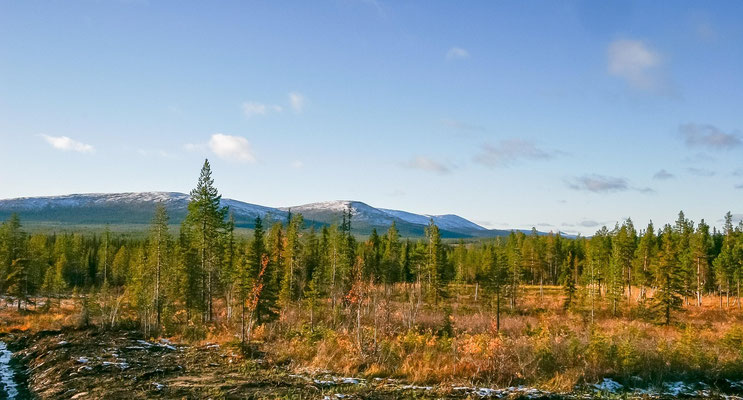
A forest seen from the road may be a managed stand rather than untouched wilderness. That distinction matters when discussing its age, appearance and biodiversity.
What happens after harvesting?
Depending on the site and management approach, regeneration may use planting, seed or natural regeneration. Young growth eventually changes the appearance of a harvested area. This does not mean that all ecological functions of an old forest return at the same speed.
Clear-felling, thinning and continuous-cover approaches have different effects. Soil conditions, water, habitat continuity and the needs of local species deserve attention alongside timber growth. No single method is automatically the best option everywhere.
Old trees and dead wood matter
Standing dead trees, fallen trunks and decaying wood provide habitats for fungi, insects and birds. Varied tree ages, deciduous trees and undisturbed patches contribute to a more diverse forest. A tidy-looking stand is not necessarily the richest one for wildlife.
Protected areas preserve some habitats and ecological processes. Outside them, management choices also influence biodiversity and the connections between suitable habitats.
Forests, carbon and reindeer
Trees and forest soils form part of the carbon cycle. Harvesting and wood use affect that balance over time, so simply counting new seedlings does not describe the full climate effect.
Reindeer use forest landscapes through the seasons. Ground and tree lichens can be important winter food, while snow conditions determine whether animals can reach it. Forestry decisions therefore have consequences beyond the trees themselves.
A different view from central Europe
Visitors from Switzerland or Germany may notice different forest structures, distances and management patterns. Comparisons are useful when they account for climate, soils, ownership and local objectives. They become misleading when an entire country's forests are described as either completely natural or uniformly industrial.
Walking with attention
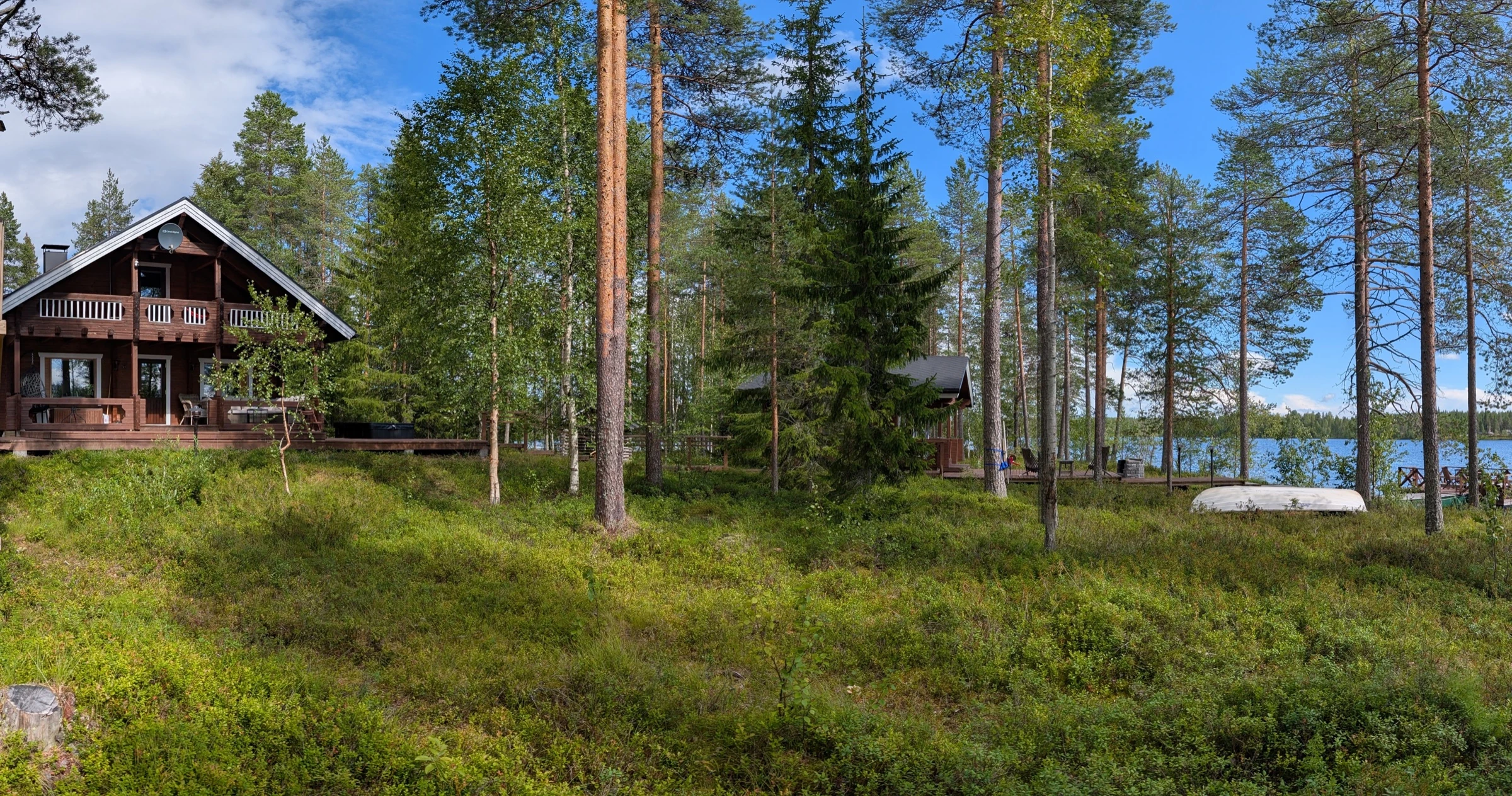
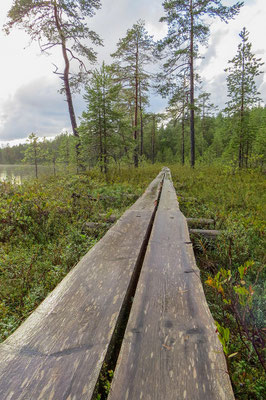
At Mökki Tikka, take time to notice the change from pine ground to a damp hollow, birch at the water's edge or woodpecker holes in an old trunk. Stay away from forestry work, respect protected-area rules and leave living trees, mosses and lichens undamaged.
Read about reindeer lichen and moss or discover birdwatching around Ranua.
The cabinExperiences & regionJournal