


Birdwatching – our footage
Birdwatching in Lapland
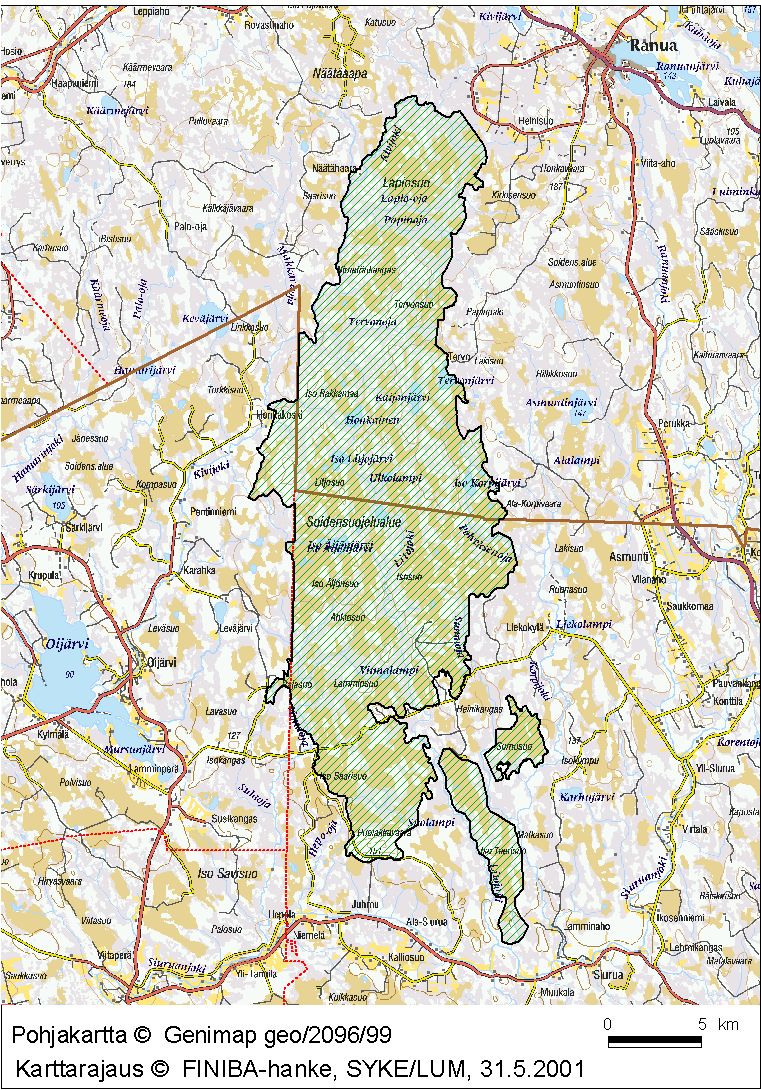
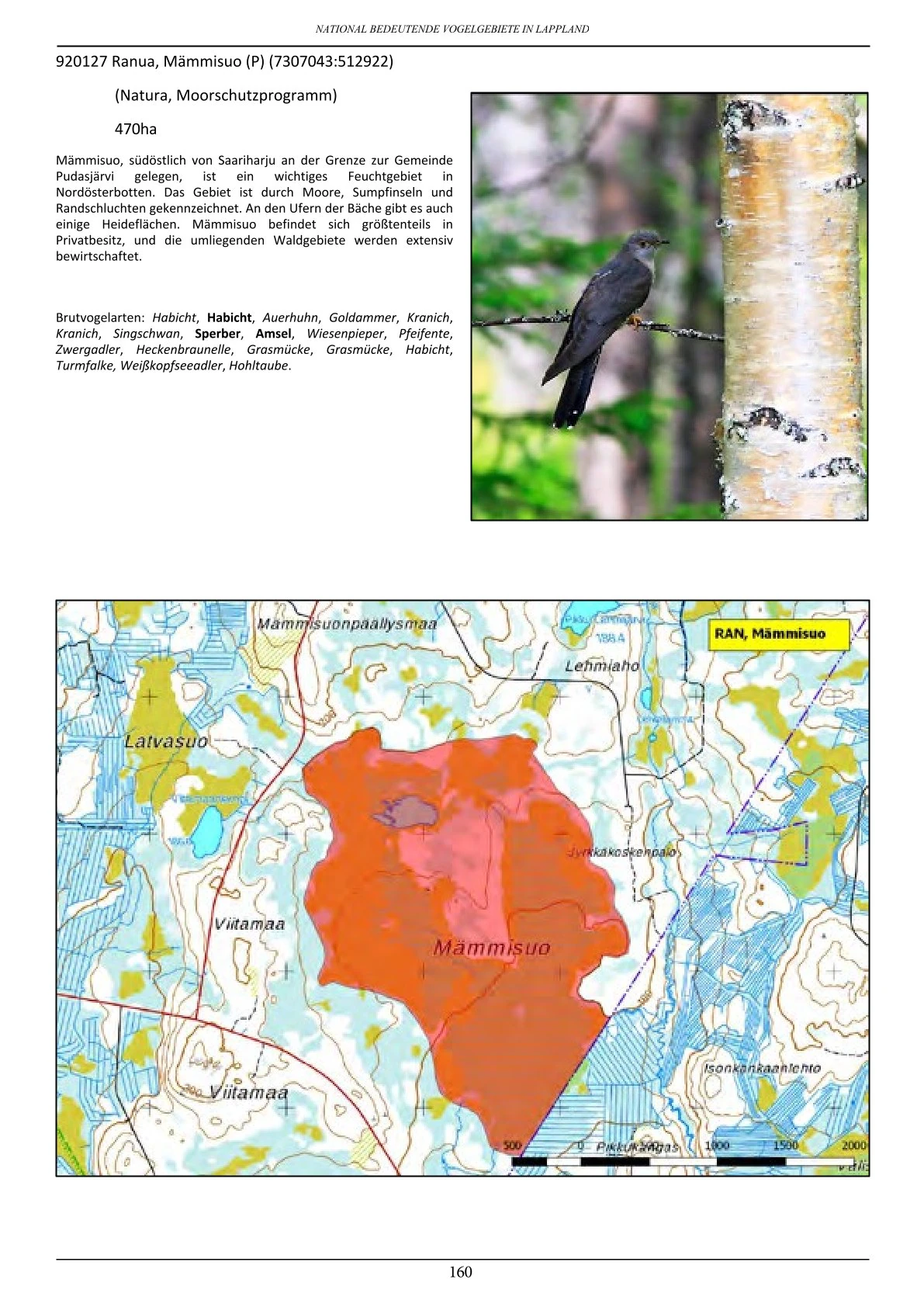
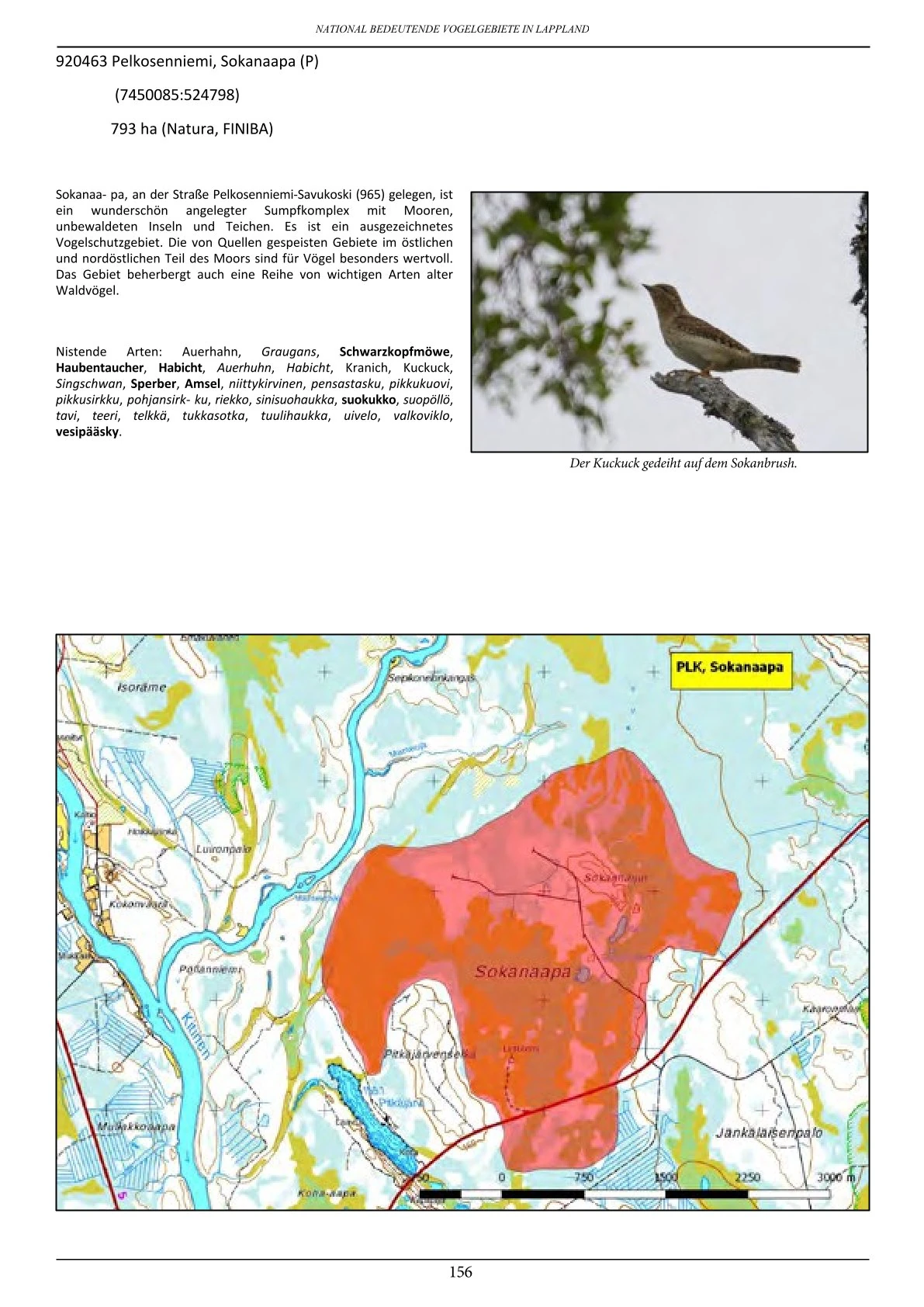
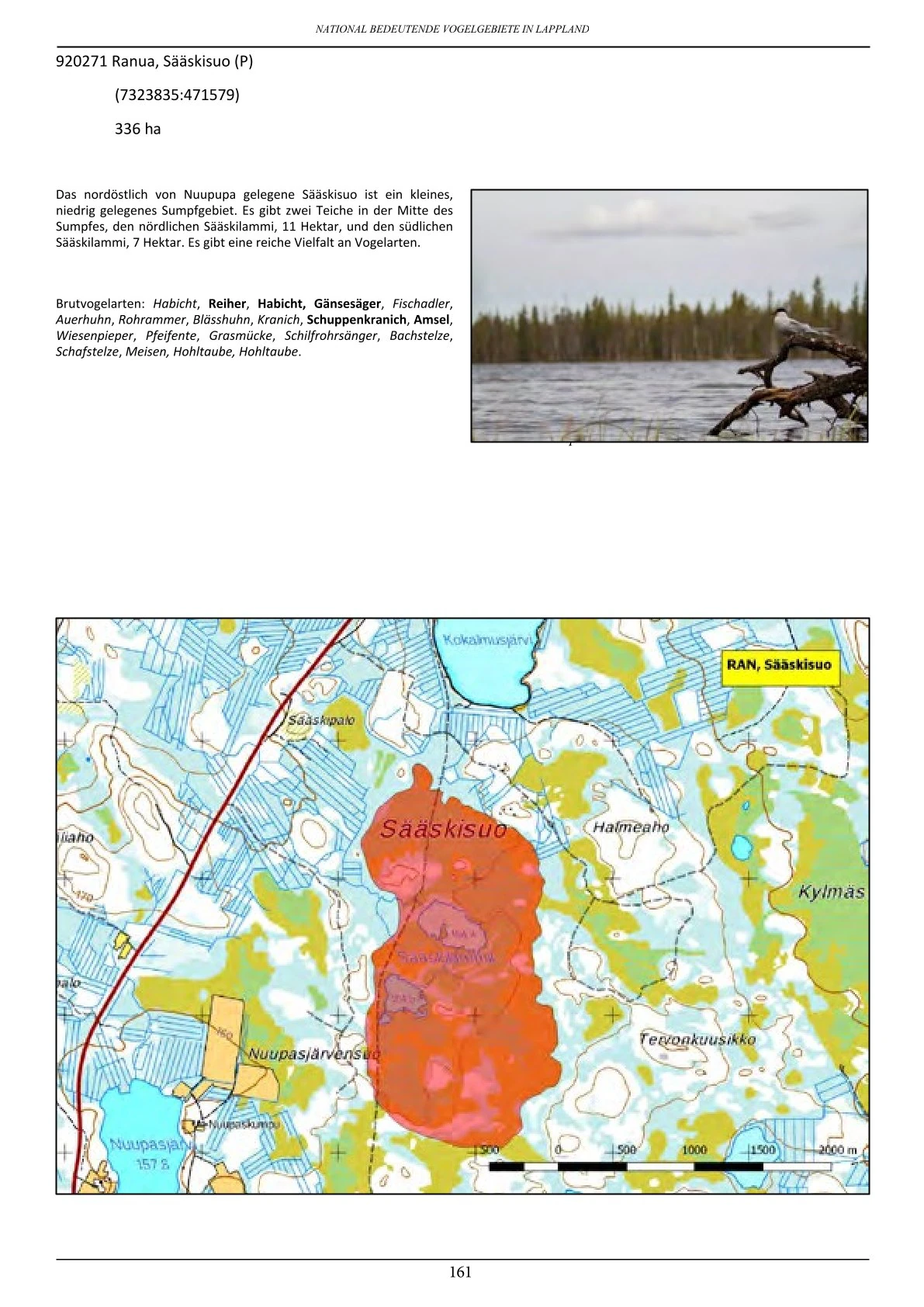
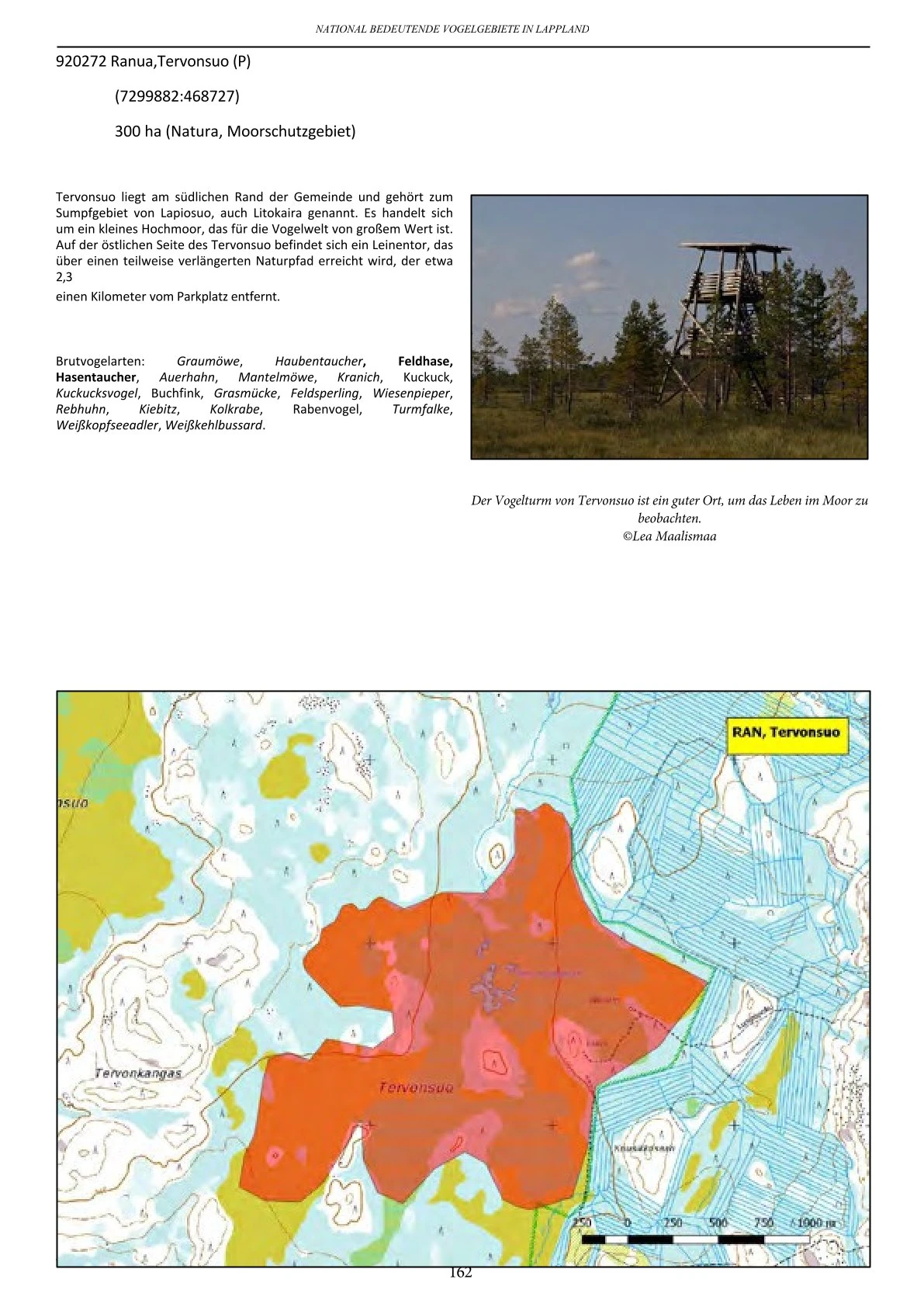
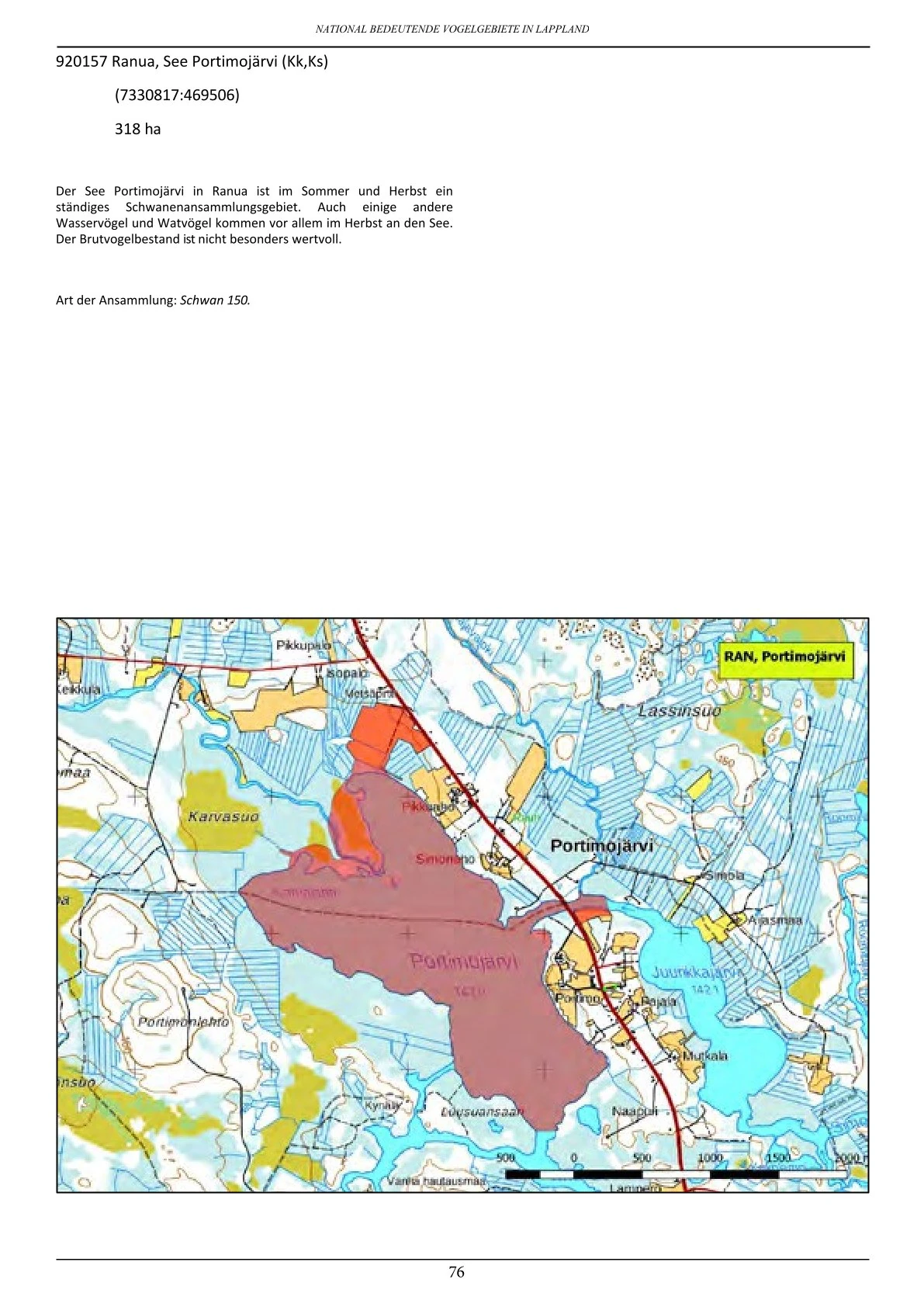
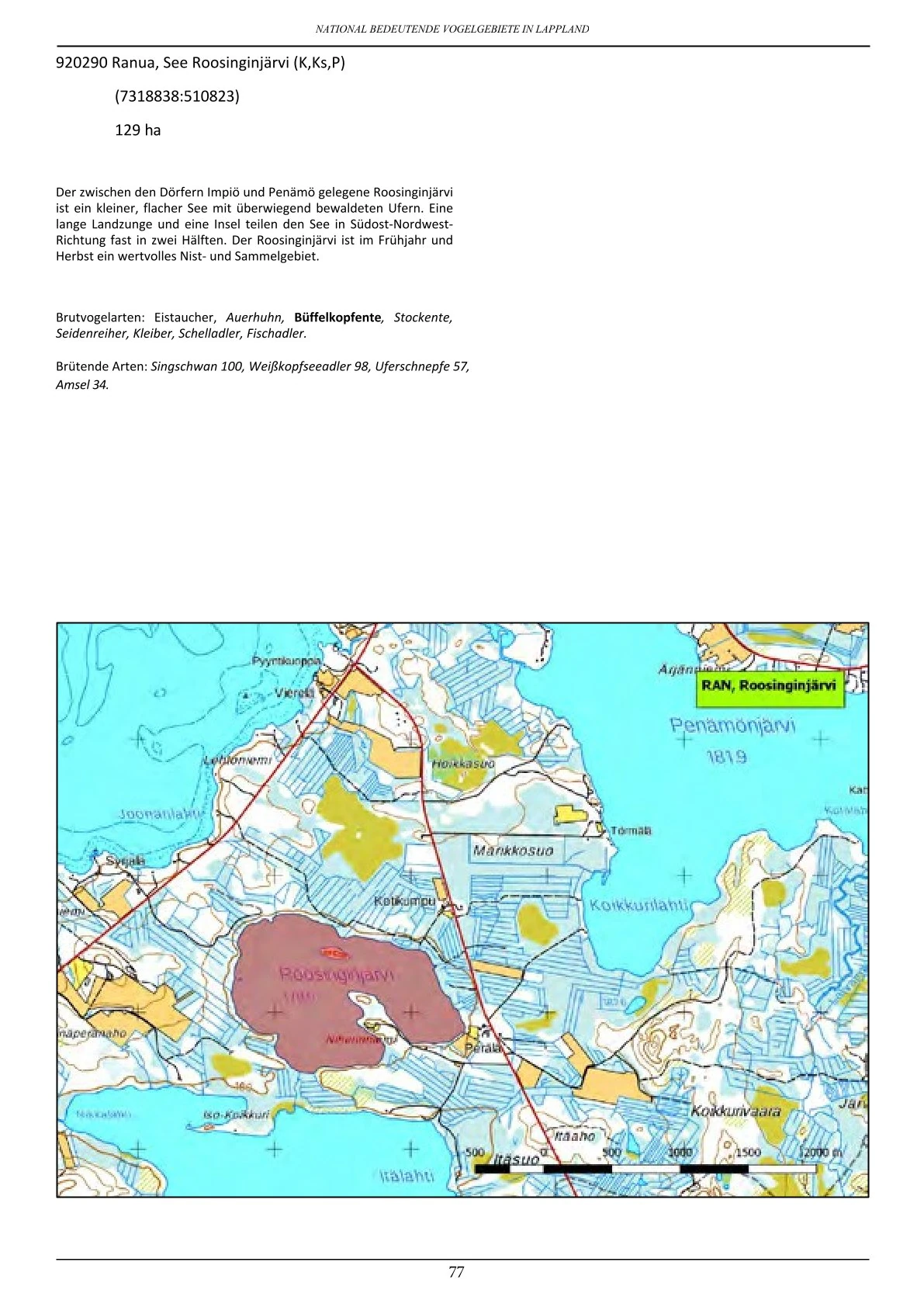
Forests, mires and lakes make the Ranua region interesting for birdwatching. Around Simojärvi and Koirajärvi, you can spend time observing different habitats without needing to hurry between attractions.
Finland’s bird list includes resident birds, breeding migrants, passage visitors and rarities. These are different categories: a species recorded in Finland is not necessarily a regular bird at our lake. Check current observations if you are travelling to find a particular species.
Why the habitats matter
- Boreal coniferous forest provides woodland feeding and nesting habitat.
- Mires and wetlands support waders and other wetland birds.
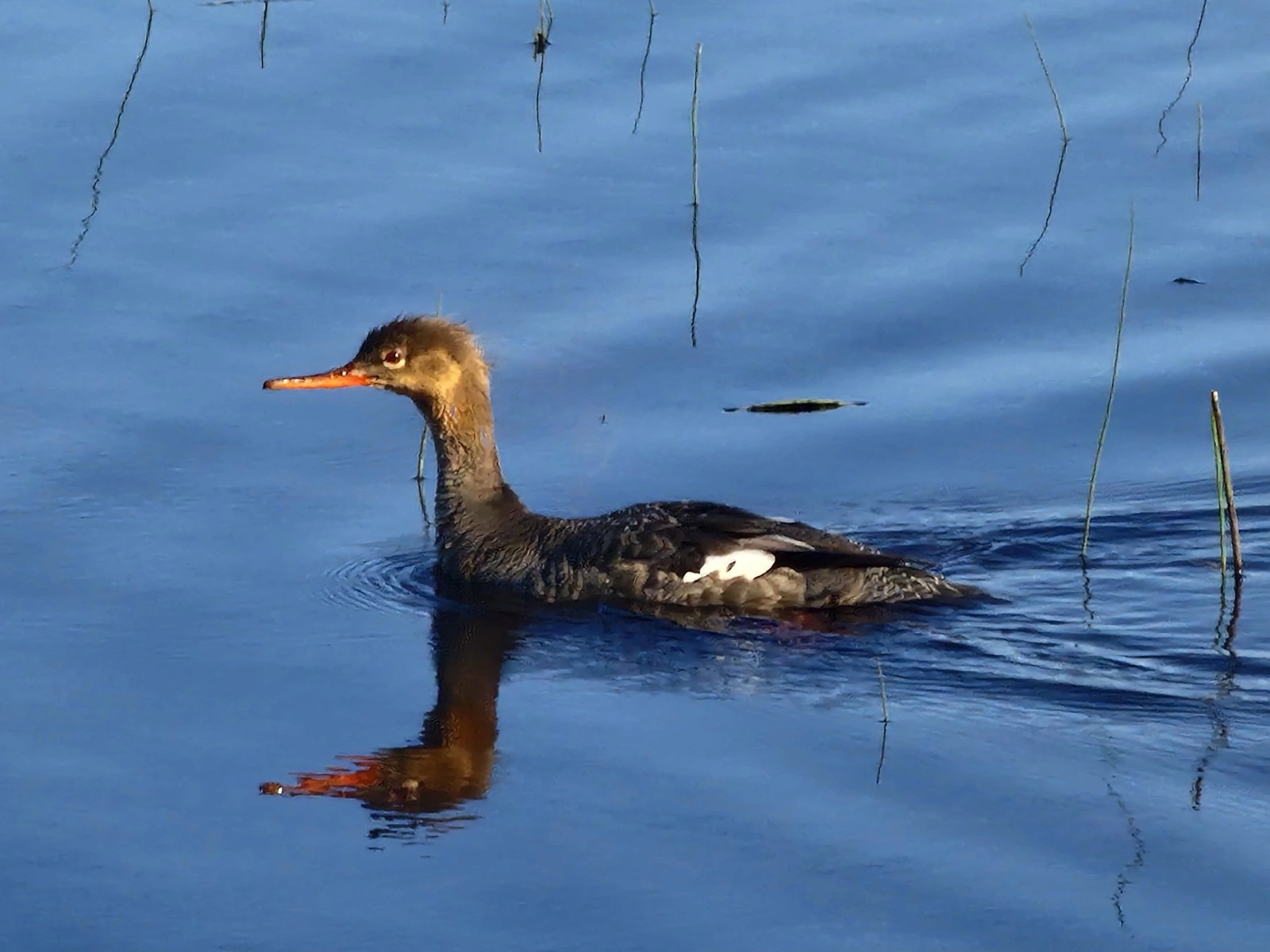
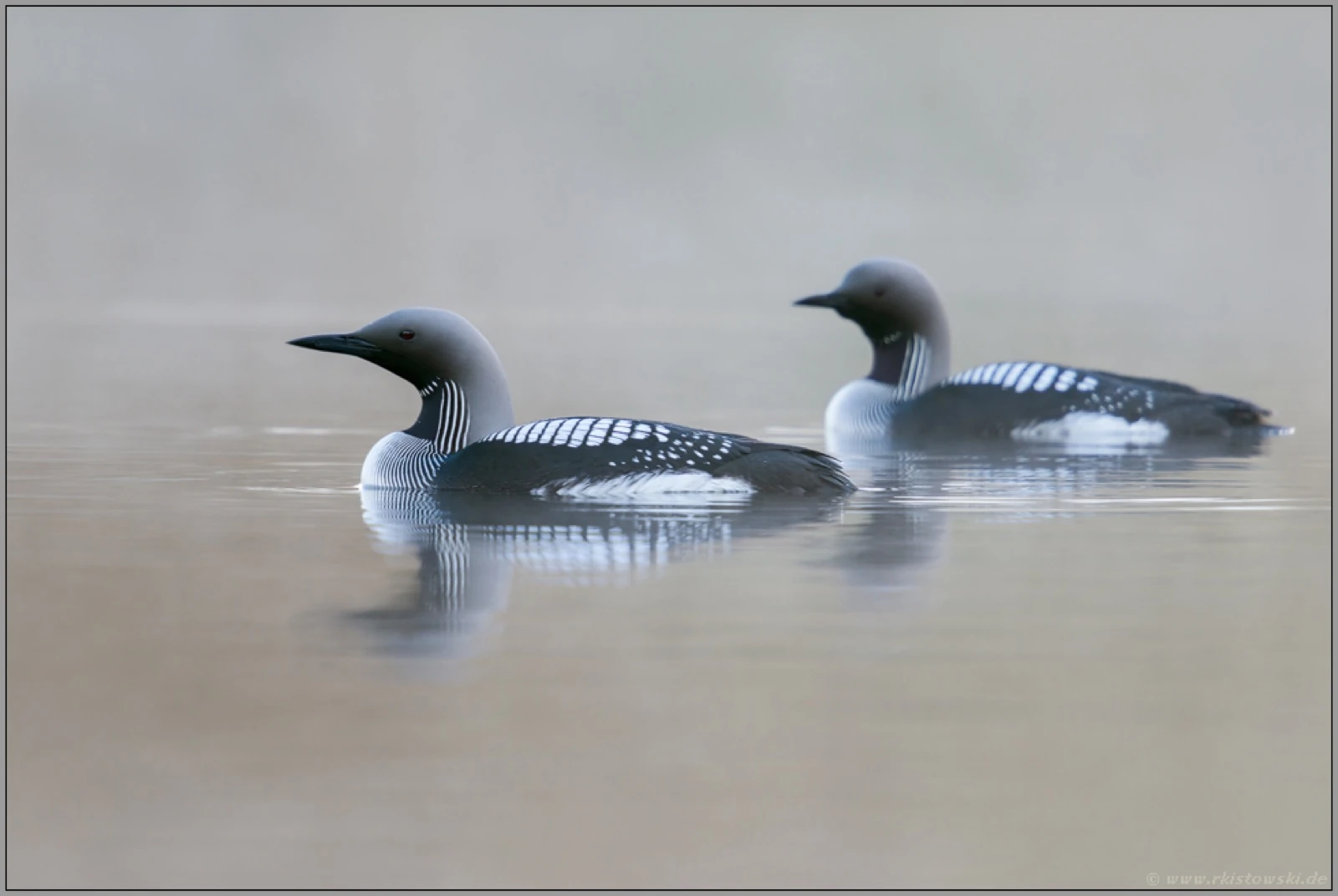
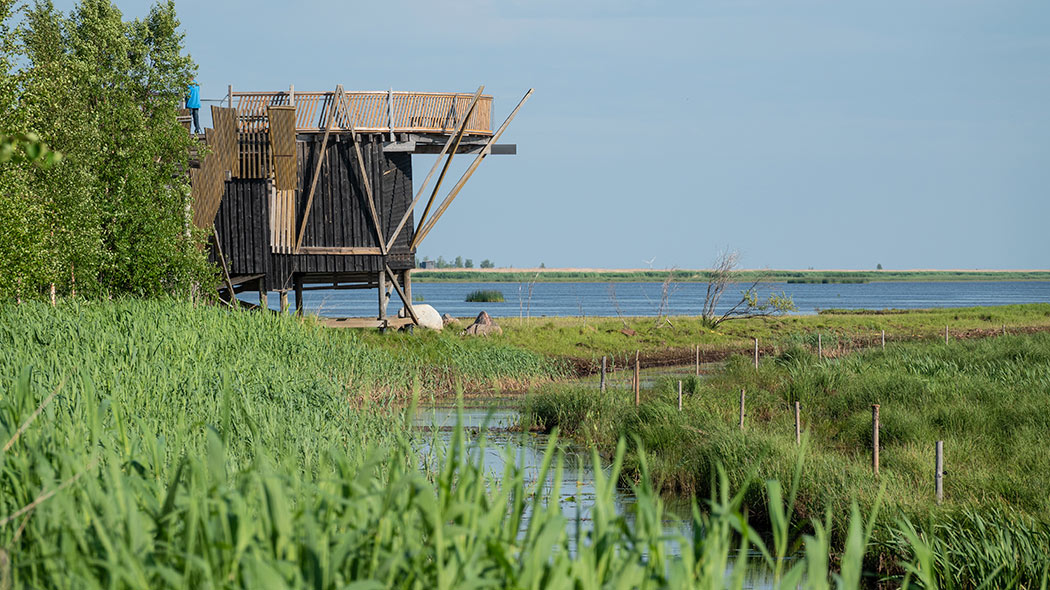
- Lakeshores, islands and reedbeds provide different niches for waterbirds.
- Further north, fell birch and tundra habitats support species not normally expected around Ranua.
Spring and early summer combine migration, courtship and breeding activity. Timing changes with latitude, weather and species.
Simojärvi
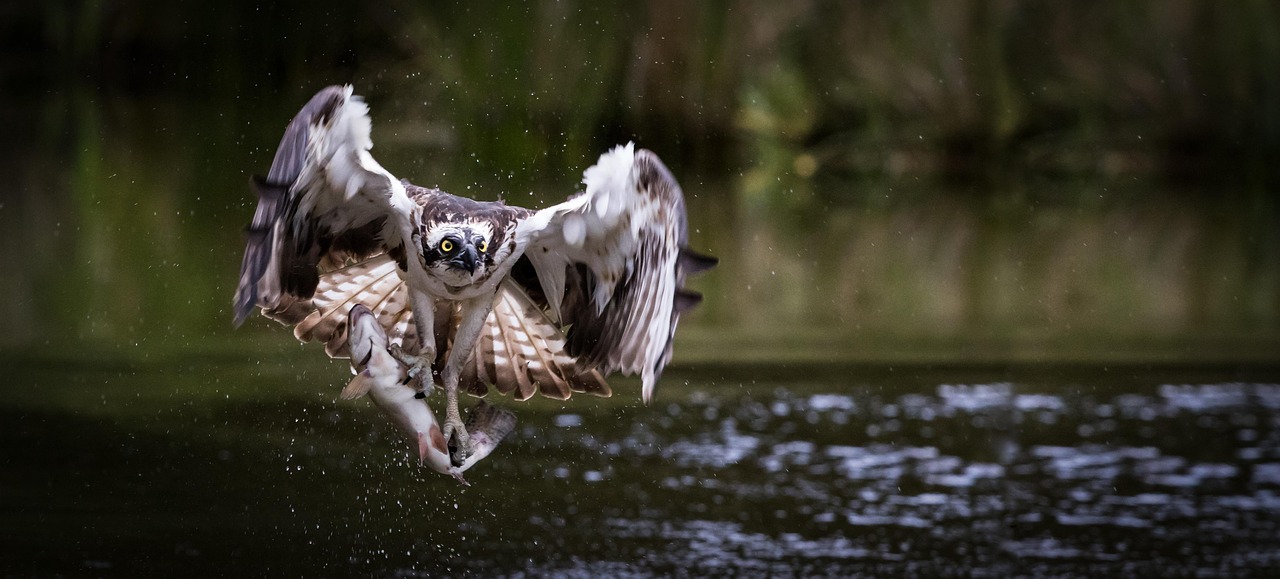
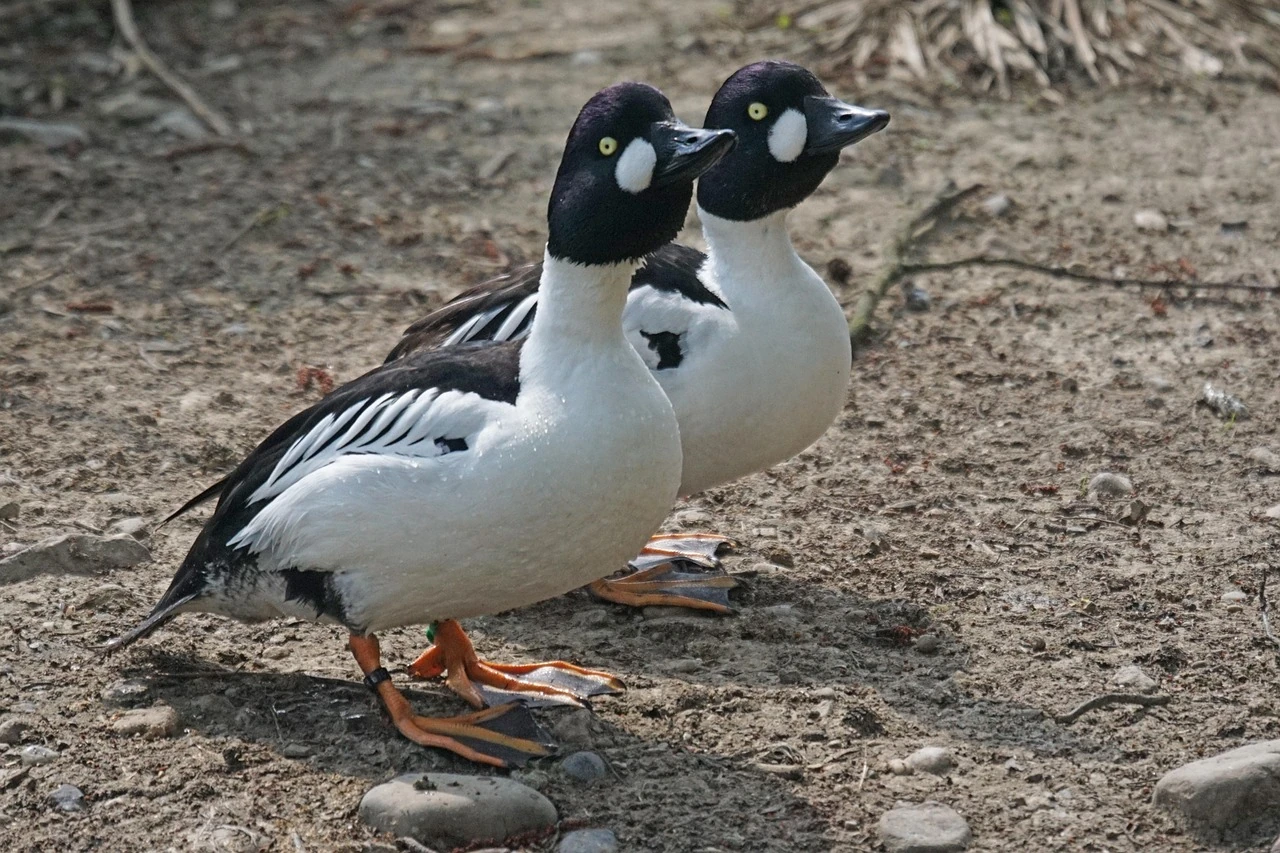
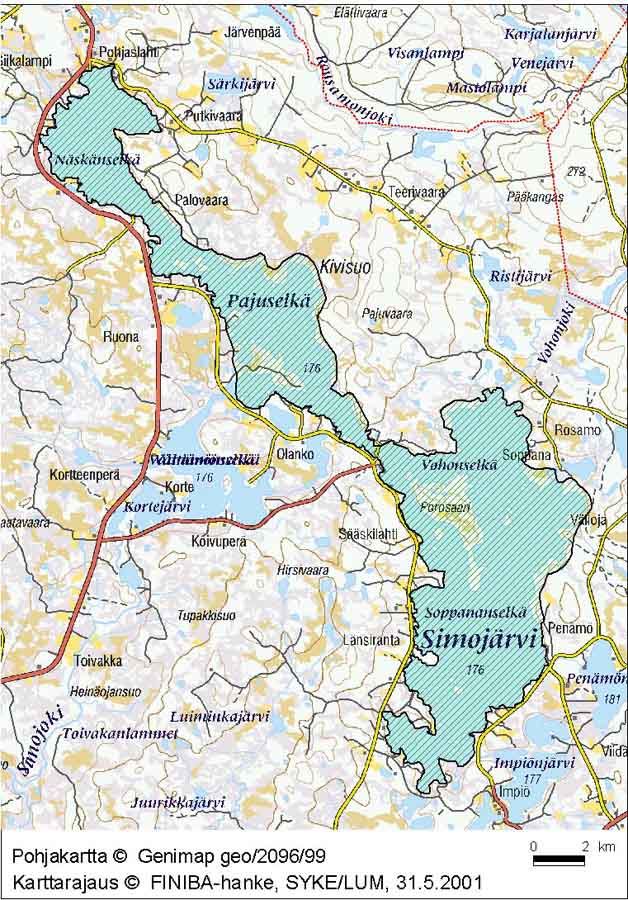
The roughly 90 km² lake has islands, shoreline vegetation and neighbouring mires. Look for waterbirds on open water, waders along suitable shores and raptors overhead. Goldeneye, smew, grebes, osprey and white-tailed eagle are useful species to learn about when planning a wider Finnish birdwatching trip; a visit does not guarantee a sighting.
Koirajärvi
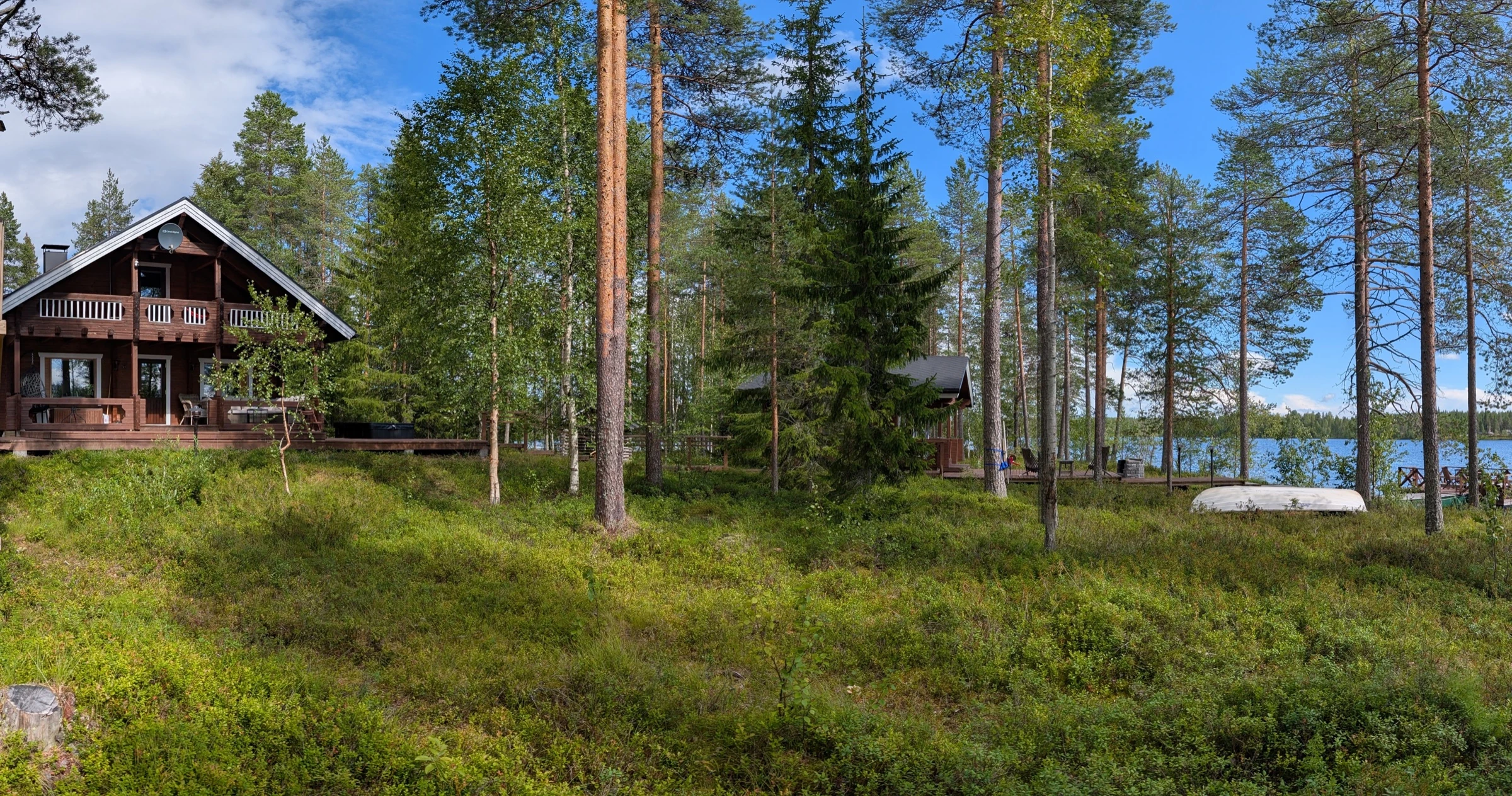
Our smaller, secluded lake is surrounded by wet woodland, birches and mire habitats. Watch from a distance and listen for calls. Snipe, other waders and birds in shoreline vegetation are part of the interest of these habitats. Do not assume that every species on a regional list breeds beside the house.
Other characteristic groups
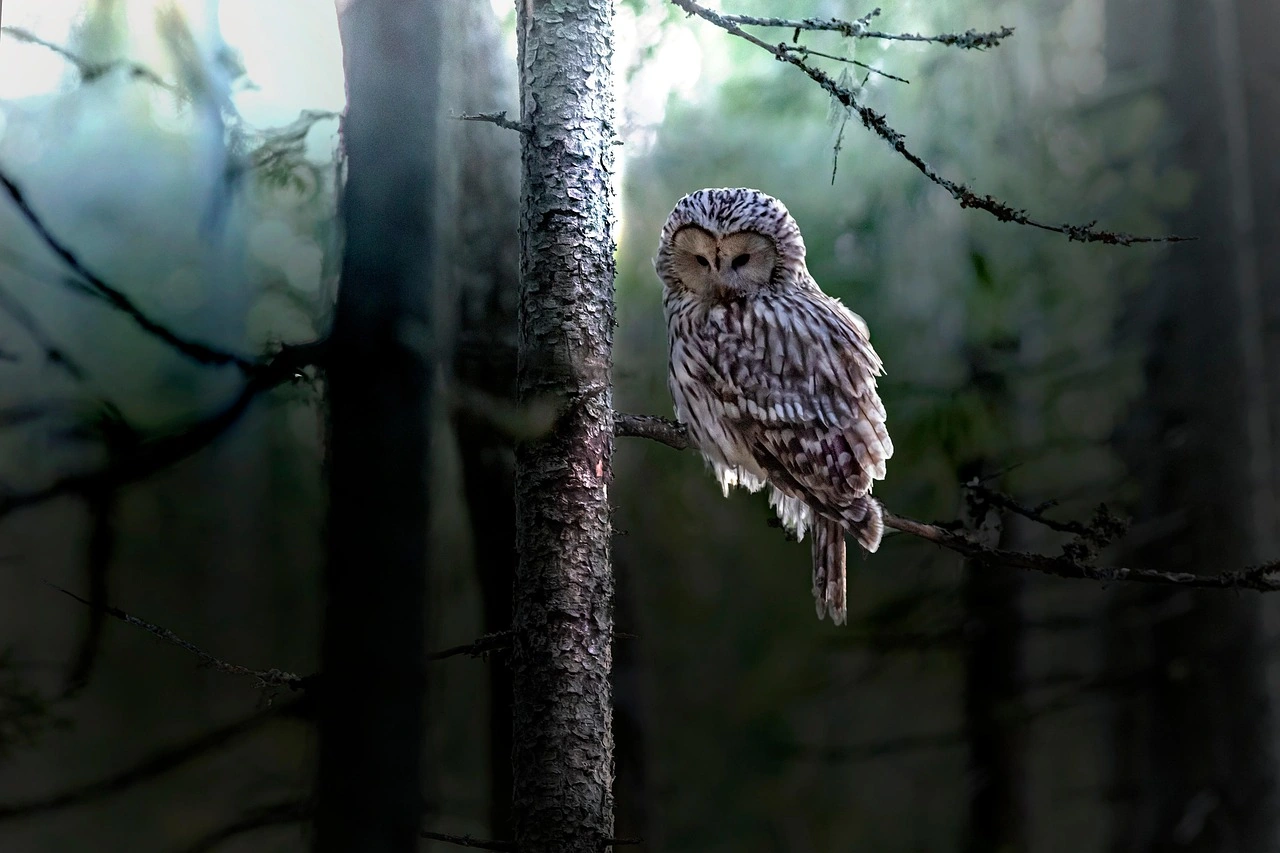
Lapland longspur, willow ptarmigan and bluethroat are associated with different northern open, birch or wetland habitats. Ural owl and great grey owl require suitable woodland and are not predictable visitor attractions. Snowy owl is a special sighting, not a regular winter promise for Ranua.
Raptors mentioned in our wider regional selection include osprey, white-tailed eagle, golden eagle and merlin. Good identification and the right habitat are more useful than a long checklist alone.
Waders to recognise
This list helps with identification across Finland and Lapland. It includes species with different breeding ranges and passage patterns; it is not a list of confirmed local breeders at Simojärvi or Koirajärvi.
| Species | Scientific name |
|---|---|
| Common snipe | Gallinago gallinago |
| Black-tailed godwit | Limosa limosa |
| Bar-tailed godwit | Limosa lapponica |
| Wood sandpiper | Tringa glareola |
| Green sandpiper | Tringa ochropus |
| Common sandpiper | Actitis hypoleucos |
| Common redshank | Tringa totanus |
| Common greenshank | Tringa nebularia |
| Marsh sandpiper | Tringa stagnatilis |
| European golden plover | Pluvialis apricaria |
| Grey plover | Pluvialis squatarola |
| Temminck’s stint | Calidris temminckii |
| Little stint | Calidris minuta |
| Spotted redshank | Tringa erythropus |
| Dunlin | Calidris alpina |
When to visit
- March–April: early spring activity and the first returning migrants, depending on conditions.
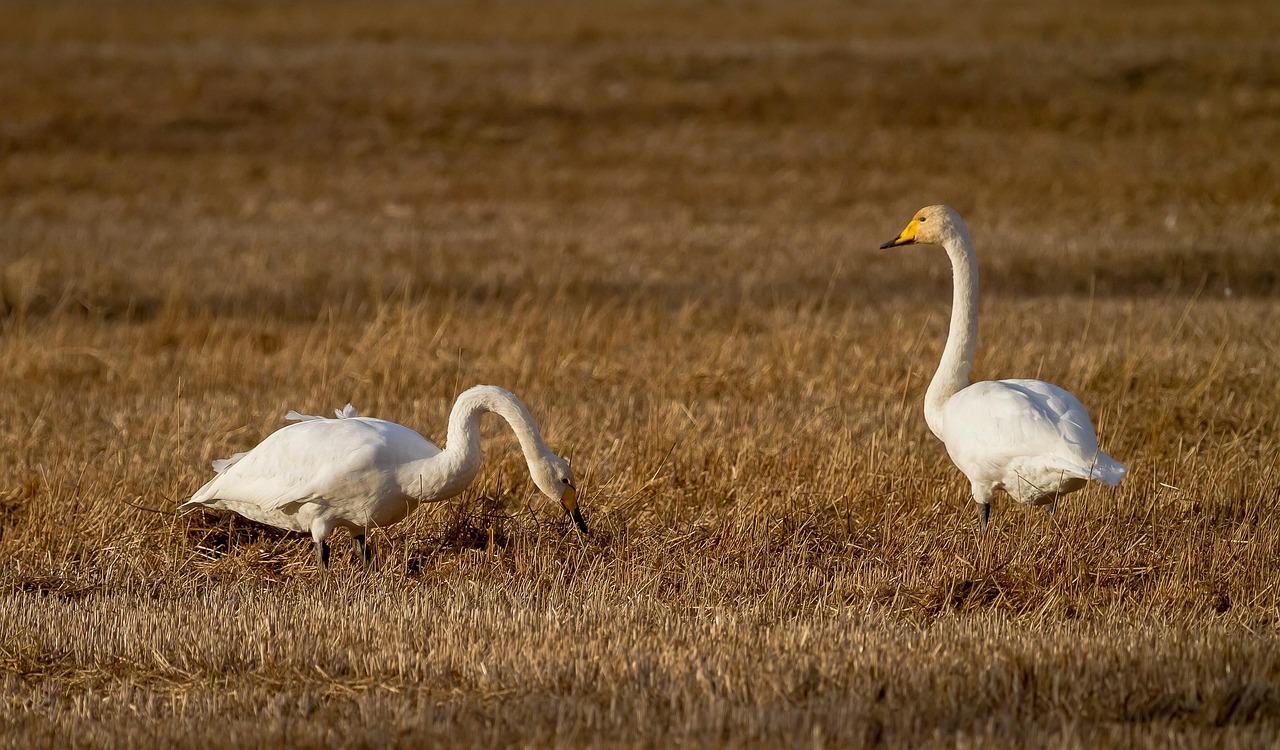
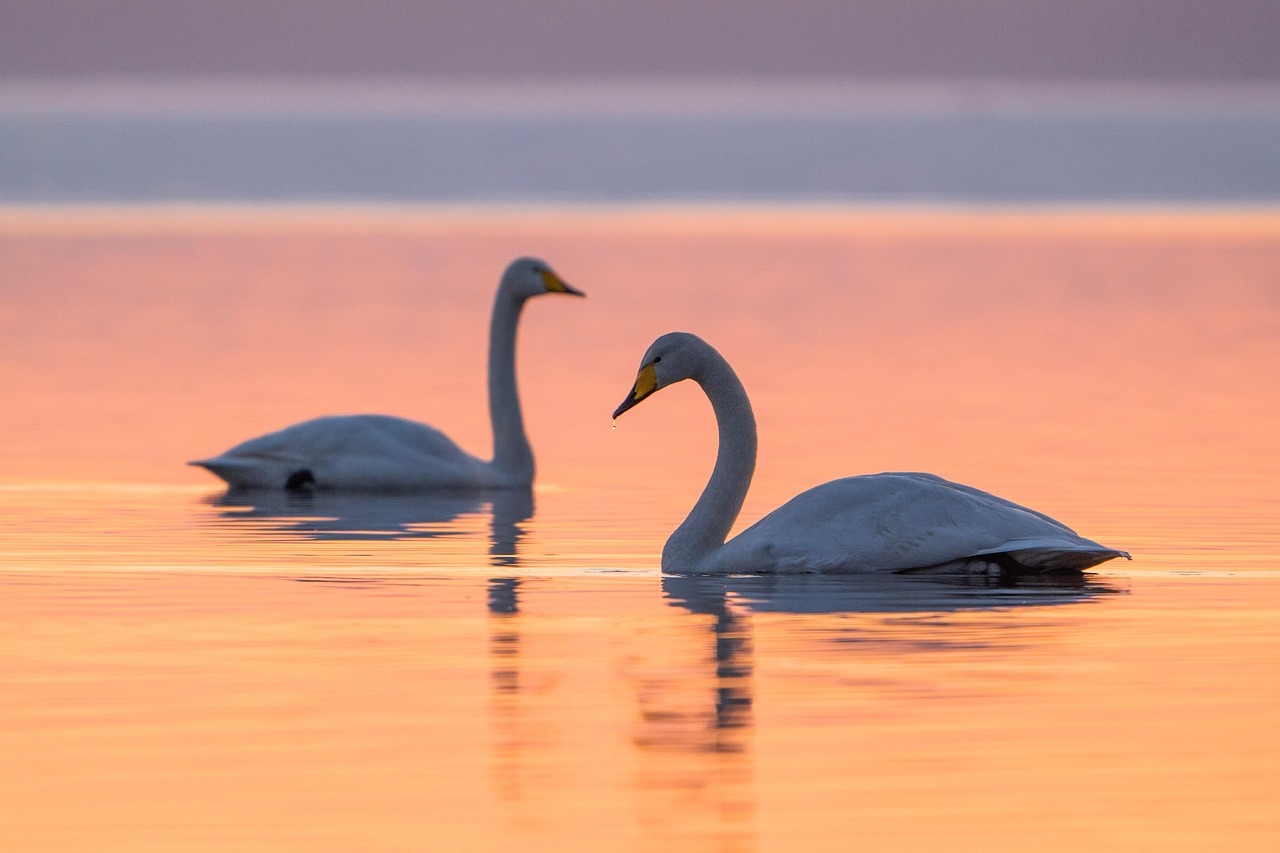
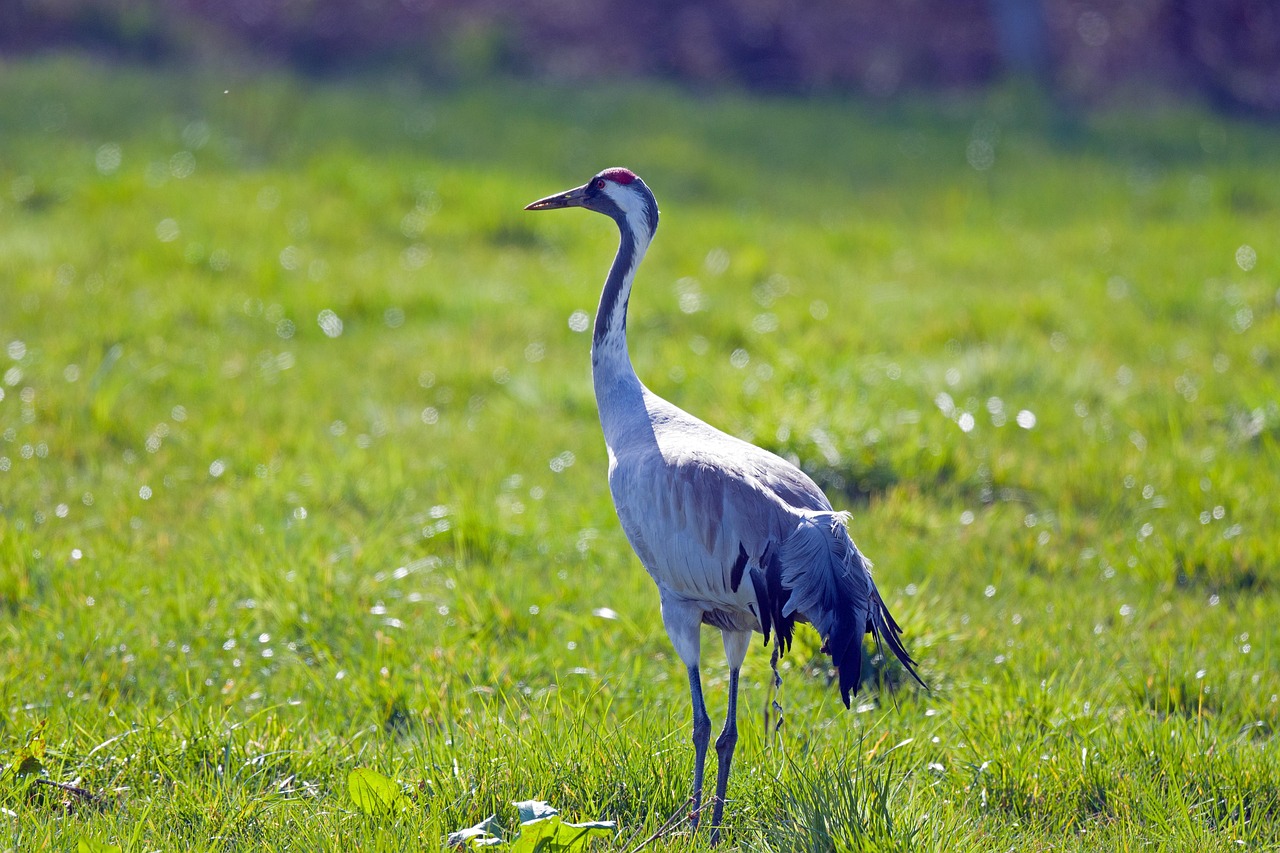
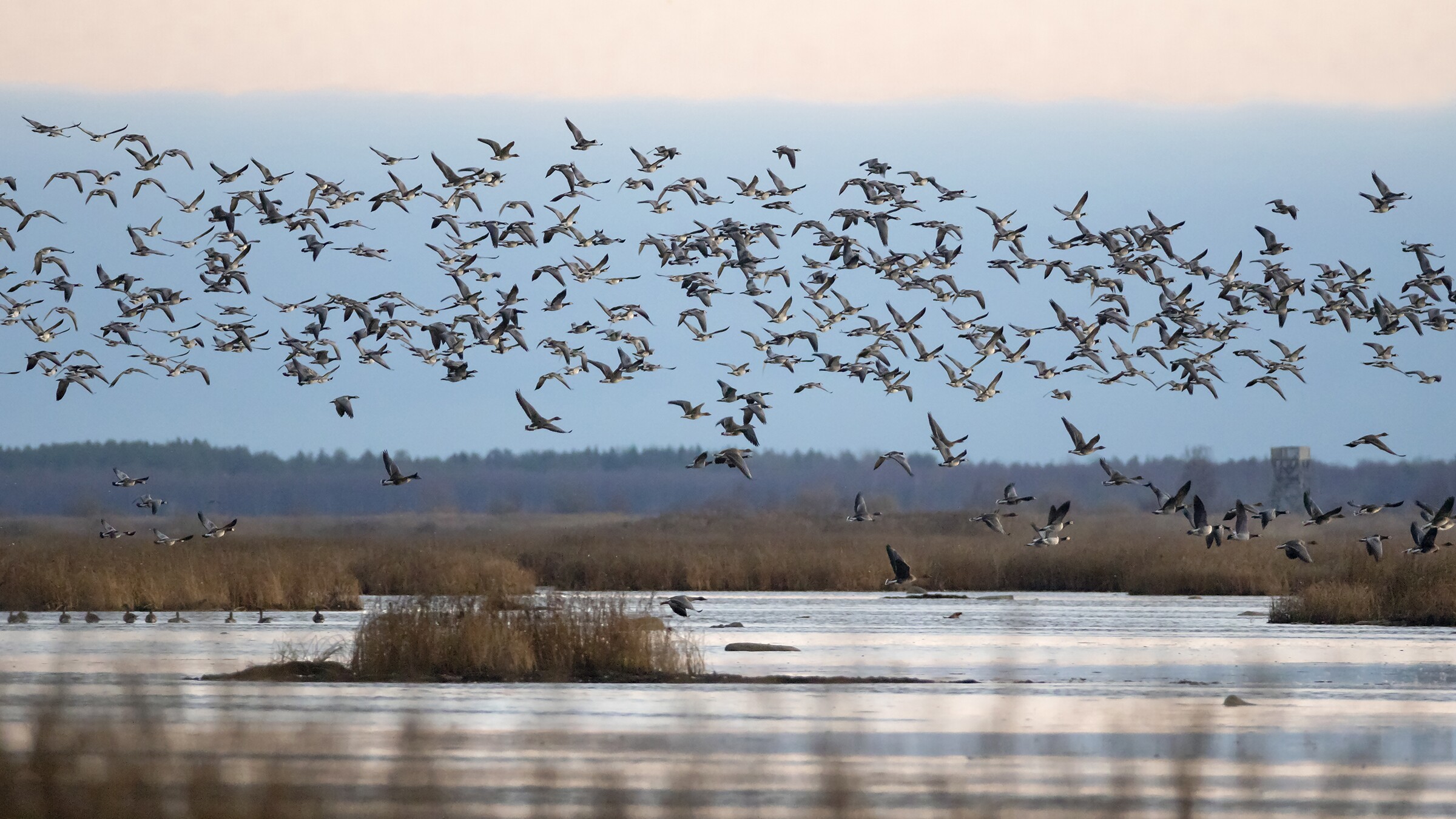
- April–May: spring migration, including swans, cranes and waders.
- May–June: breeding activity; give birds and nests plenty of space.
- July–August: young birds and the first southbound movements.
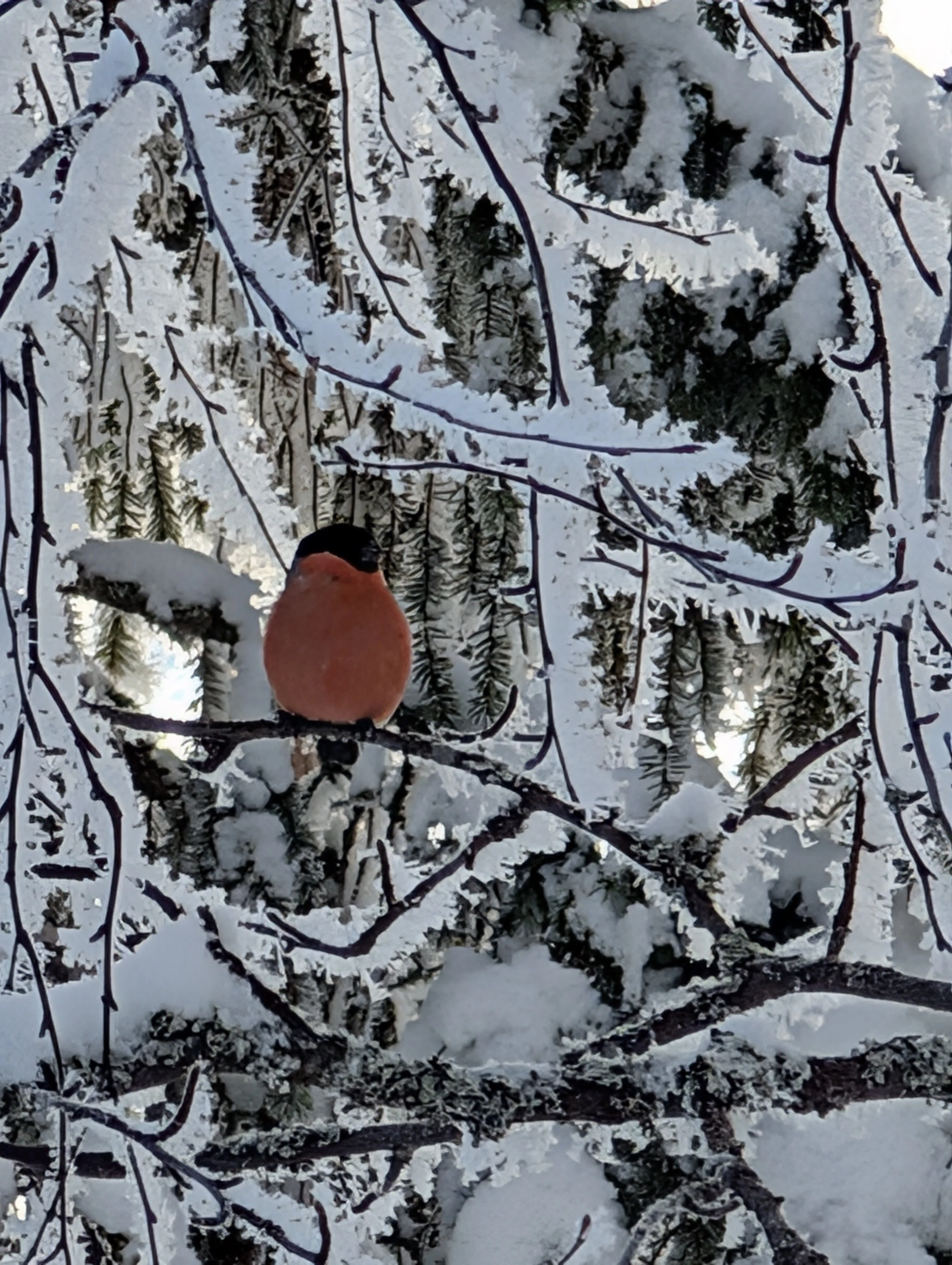
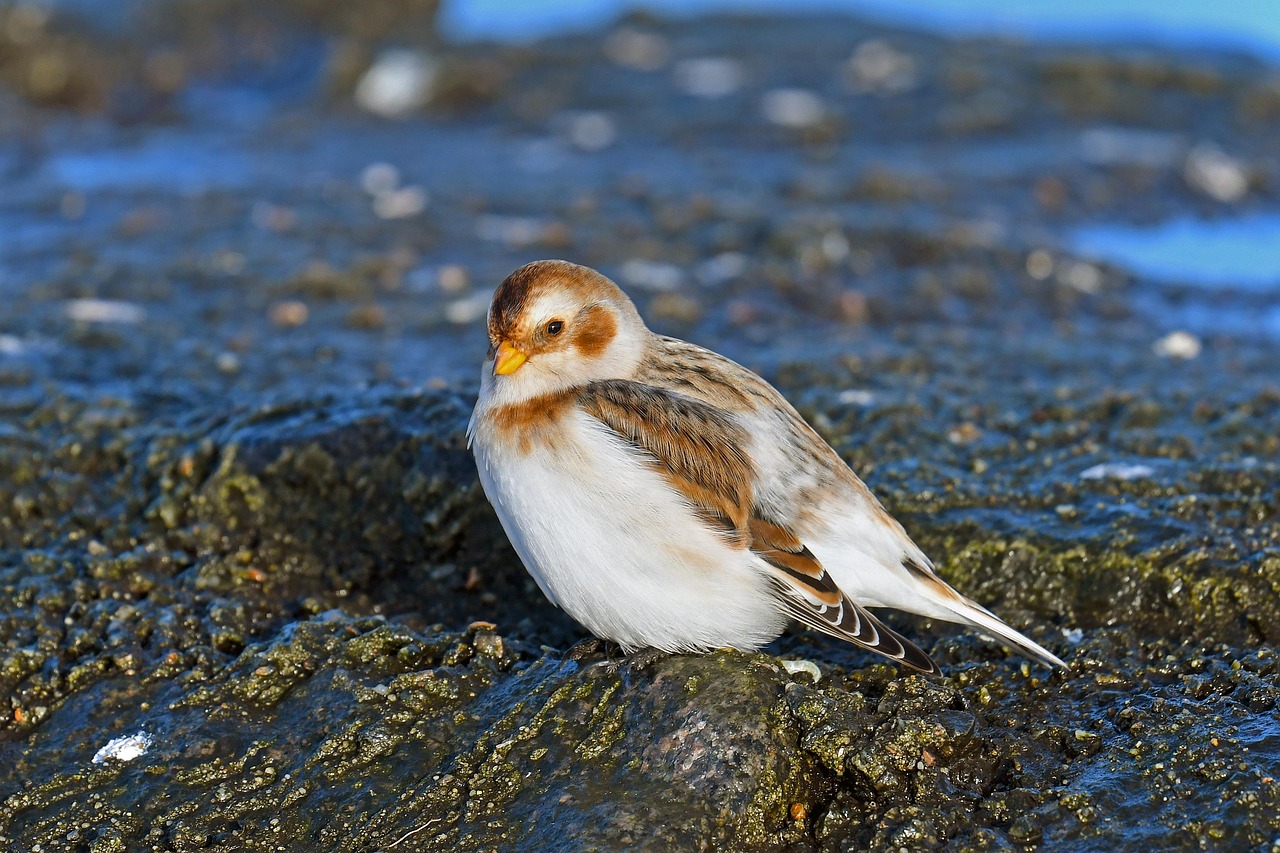
- October–February: quieter birdwatching, resident woodland birds and variable winter visitors.
Planning and further information
BirdLife Finland provides species and observation information. The Finnish Biodiversity Information Facility helps with names and distribution. Movebank contains tracking projects, while specialist guides such as Finnature can advise on suitable trips. Liminganlahti near Oulu is another destination to consider for a separate wetland visit.
BirdLife Finland · Finnish species information · Movebank · Finnature

The cabinExperiences & regionJournal