


In this blog
Pack a useful combination
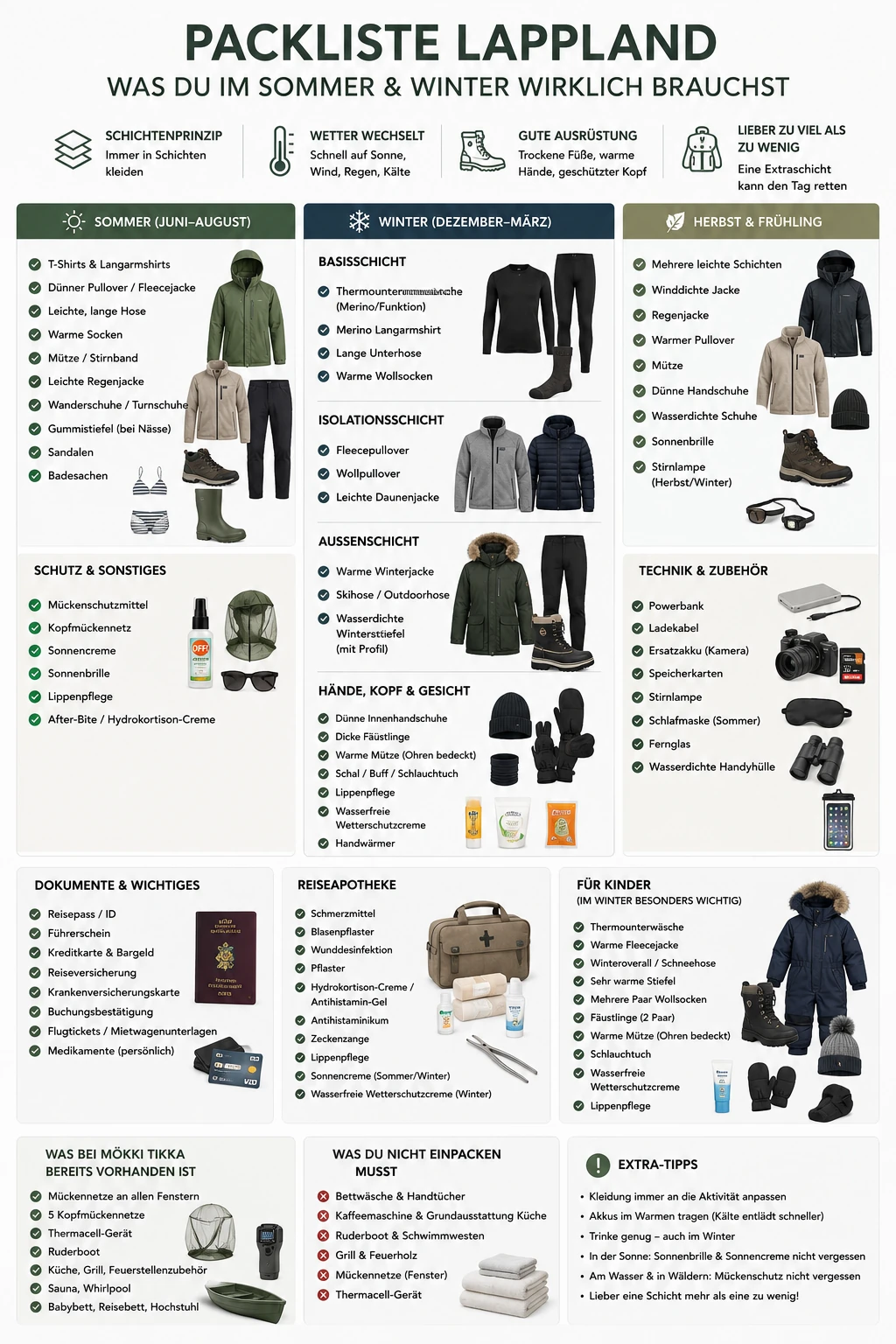
You do not need an enormous wardrobe for Lapland. You need layers, suitable footwear, weather protection and equipment for the season. A summer evening by the lake can be chilly; a winter outing can be wonderful only if you remain warm and dry.
On one of our first summer evenings here, we planned to eat outside at 22:00. I had packed neither a sweater nor a scarf and soon had cold hands. My husband's wool socks became makeshift mittens. We have packed more thoughtfully since.
Layers first
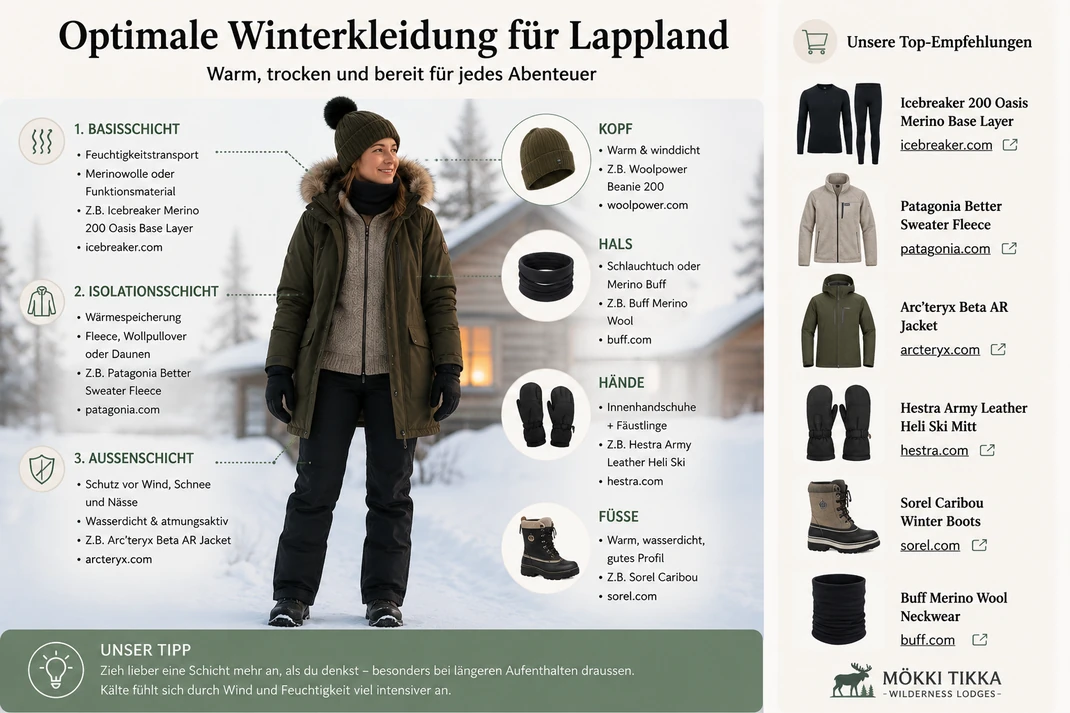
A wool or synthetic base layer manages moisture. A fleece, wool sweater or insulated mid-layer holds warmth. The outer layer protects against wind, rain or snow. Cotton next to the skin is a poor choice for demanding cold-weather activity because it holds moisture and dries slowly.
Summer: June to August
Clothing
- T-shirts and long-sleeved tops.
- A sweater or fleece.
- Lightweight long trousers.
- Warm socks and a light hat or headband.
- A rain jacket.
- Walking shoes or sturdy trainers appropriate to the route.
- Waterproof boots for suitable wet-ground outings.
- Swimwear and simple house shoes.
Protection
- Suitable insect repellent and a head net.
- Sunscreen and sunglasses.
- Lip care.
- Any bite treatment recommended for you by a pharmacist.
Bring one warmer layer than you first expect. A breeze across the lake can make a July evening feel cool.
Winter: December to March
Base and insulation
- Long thermal underwear in wool or suitable synthetic fabric.
- Warm socks that fit comfortably inside your boots.
- Fleece or wool tops.
- An additional insulating jacket or layer for standing still.
Outer clothing
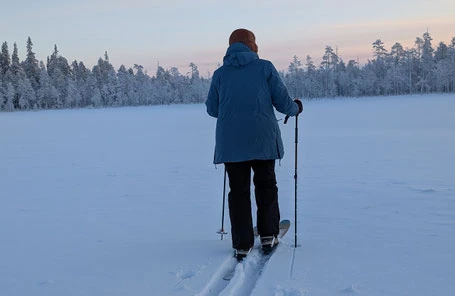
- A warm winter jacket.
- Insulated snow trousers.
- Properly insulated winter boots with suitable grip.
- Protection for the neck and face when conditions require it.
Hands and head
- Thin liner gloves and warm mittens.
- A hat covering the ears.
- A neck warmer or balaclava.
- Spare gloves and optional hand warmers.
- Suitable lip and skin care.
Cream does not prevent frostbite. Do not rely on a product or a fixed temperature rule in place of covering skin, limiting exposure and taking warm breaks.
Children in winter
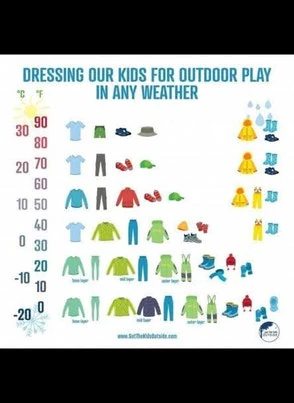
Children need suitable boots, mittens, head protection and spare dry clothing. Check them frequently and plan short outings close to warmth when it is very cold. Extra socks must not make footwear tight. Follow activity-provider guidance, and do not assume a well-dressed child can remain outside indefinitely.
Spring and autumn
Pack several adjustable layers, wind and rain protection, a warm sweater, hat, light gloves and waterproof footwear. Sunglasses help with bright spring snow; a headlamp is useful as autumn evenings darken. Snowmelt and freeze-up create access hazards as well as clothing needs.
Footwear deserves attention
For summer, choose shoes for the actual terrain and keep a dry option for the house. Rubber boots may suit some wet ground, but do not make bog terrain safe. For winter, use insulated boots with room for circulation and socks. Tight footwear is not warmer.
Electronics and accessories
- Power bank and charging cables.
- Spare camera battery and memory cards.
- Headlamp.
- Sleep mask for bright summer nights.
- Sunglasses.
- Binoculars if you enjoy birds or wildlife.
- A suitable waterproof phone pouch or bag.
Keep spare batteries warm and protect equipment from moisture and prolonged cold.
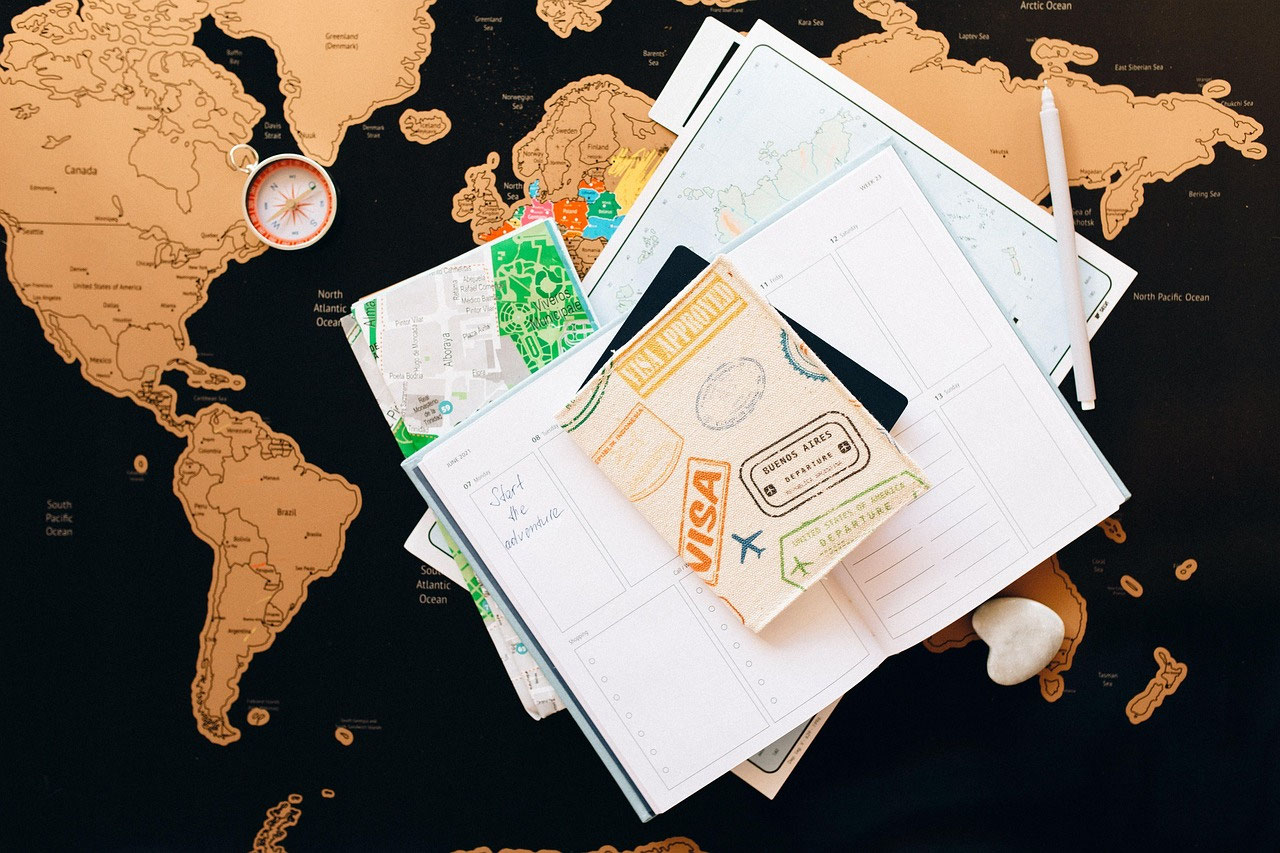
Documents
- Passport or accepted identity document for your journey.
- Driving licence if needed.
- Payment card and a modest cash reserve.
- Travel-insurance and health-insurance documents.
- Accommodation, flight and car-rental confirmations.
- Medication and any necessary prescription documentation.
A small travel first-aid kit
Bring personal medication, plasters, blister protection and basic wound-care supplies. Ask a pharmacist about appropriate pain relief, bite treatments and antihistamines, especially for children or anyone taking other medication. Sunscreen can be useful in both summer and bright snow conditions.
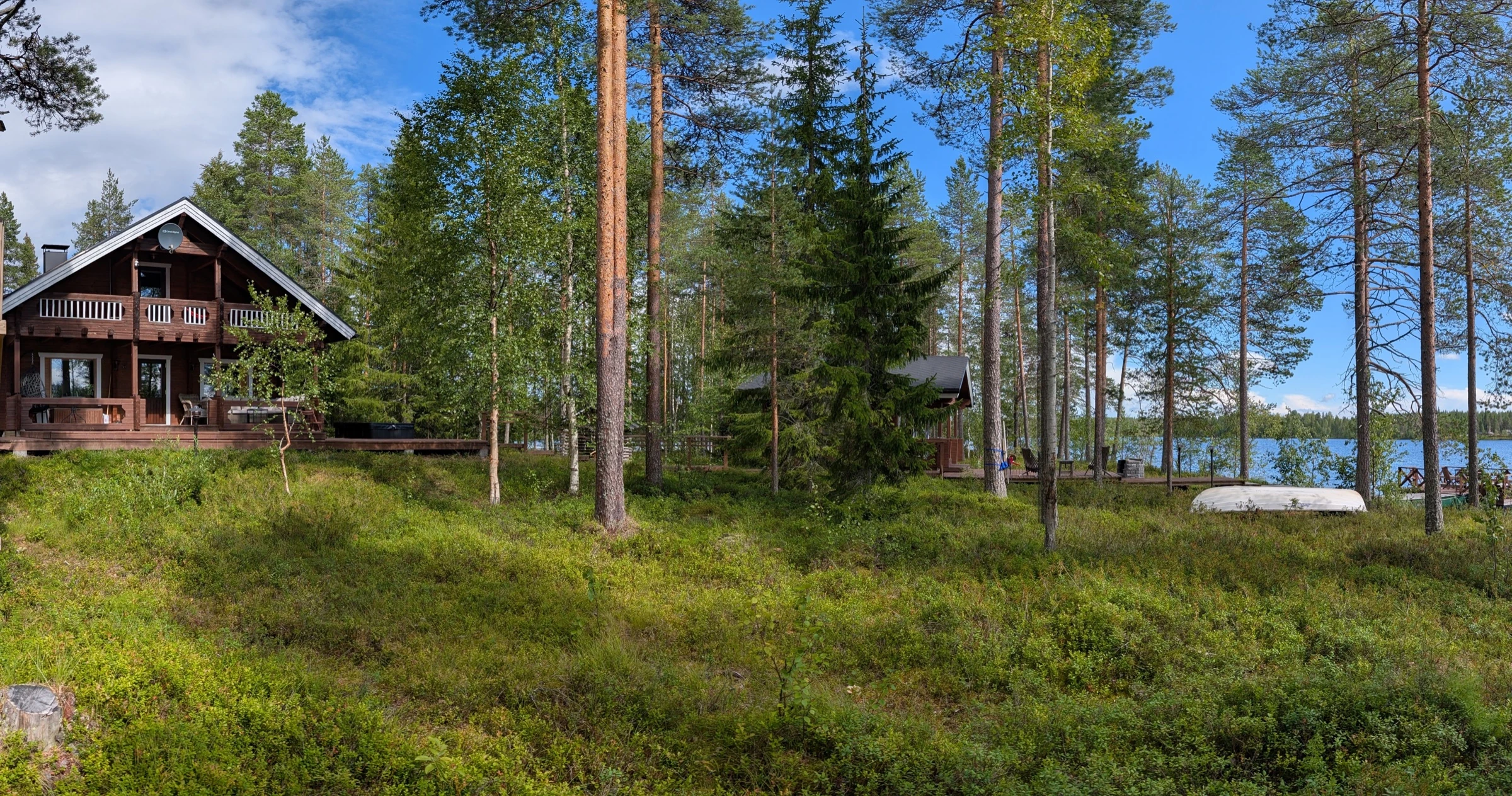
Already at Mökki Tikka
The house information includes insect screens on all windows, five head nets, a Thermacell device, rowing boat, kitchen facilities, fire-area accessories, sauna, hot tub, cot, travel cot and highchair. Confirm particular equipment needs before arrival.
Bring compatible Thermacell consumables if you intend to use the device. Follow its label and Finnish authorised-use restrictions; do not use it indiscriminately near the lake or in natural areas.
Leave unnecessary items behind
Delicate shoes, tight boots and a large collection of impractical outfits add little. Good clothing need not be the most expensive, but it must fit the conditions and activity. Organise specialist or children's equipment before travelling rather than assuming the right size will be available locally.
Frequently asked questions
A hat in summer?
A light one is useful for cool, windy evenings.
Jacket or boots first?
Both matter; footwear is often underestimated.
Do I need a headlamp?
Yes for winter and many autumn outings, even when you intend to return in daylight.
What about mosquitoes?
Covering clothes, suitable repellent and netting are useful, especially in midsummer.
What should I bring for aurora photographs?
Warm stationary clothing, stable camera support and spare batteries, as well as patience.
Explore the house facilities, activities and mosquito advice when adapting this list to your stay.
The cabinExperiences & regionJournal