

In this blog
When the evening barely becomes night
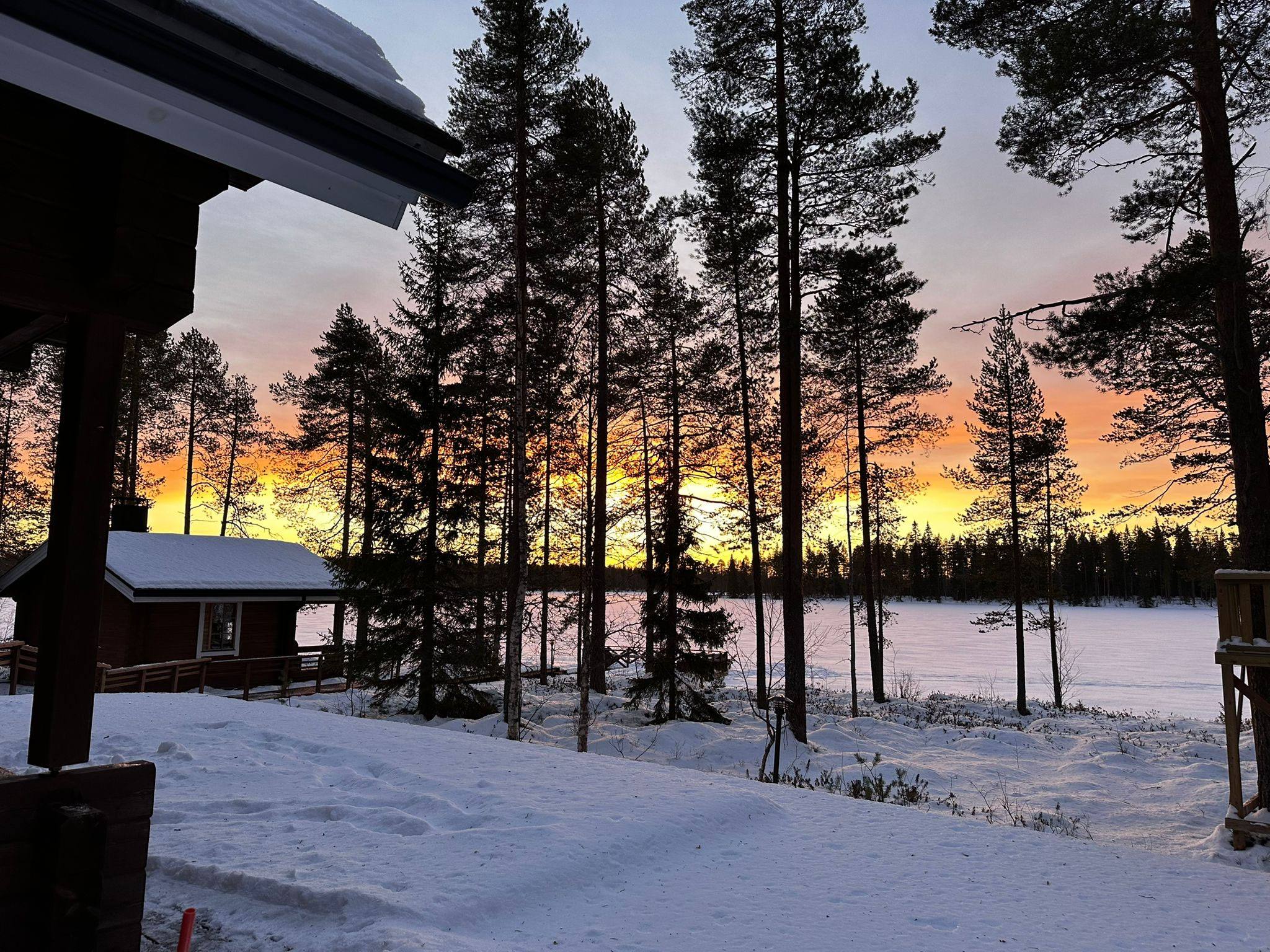
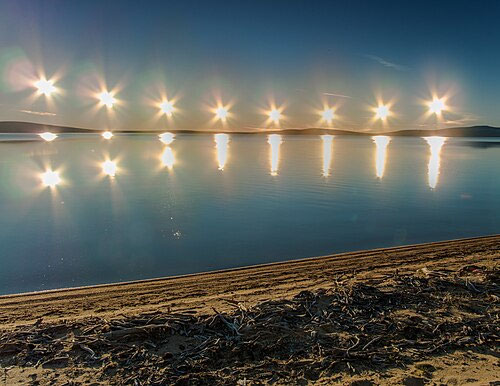
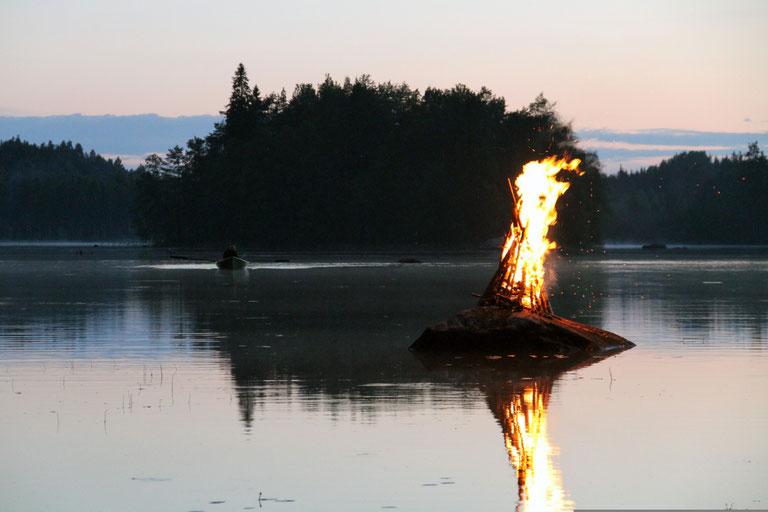
Around Midsummer, the sky over Ranua stays light far into the night. Soft light rests on the lake and the usual sense of bedtime can slip away. Finnish expressions include keskiyön aurinko, the midnight sun, and yötön yö, the nightless night.
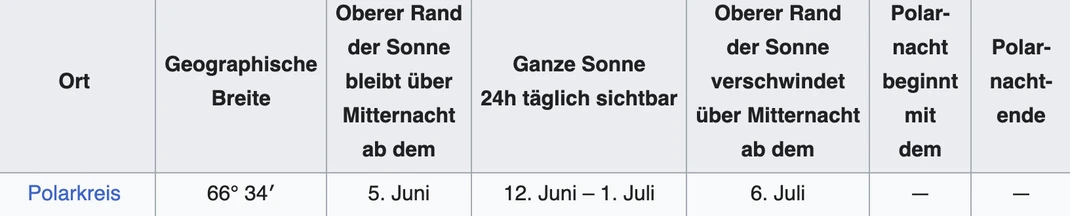
Strictly speaking, Ranua lies south of the Arctic Circle: the sun does set, although the night remains very bright. Farther north, there are periods when it stays above the horizon throughout the night.
Why the light matters
The Earth's tilt gives northern places long summer days. After a dark winter, the change has an emotional as well as an astronomical effect. People spend longer outdoors, go to a cottage, cook, swim or sit beside the water. The short summer is something to enjoy while it is here.
What is Juhannus?
Juhannus is Finnish Midsummer, celebrated on the Saturday falling between 20 and 26 June. The preceding Friday, Juhannusaatto, is a major part of the celebration. Juhannuspäivä is Midsummer Day.
Families and friends may head to a lakeside cottage, while others attend a city event or festival. There is no single correct way to celebrate.
Older roots and the name
Midsummer combines older seasonal traditions connected with growth and fertility with the Christian feast of John the Baptist, from whose name Juhannus derives. The source describes an earlier association with Ukko and Ukon juhla. Contemporary celebrations are often chiefly about summer, company and time outside.
Travelling over the holiday
Many people leave towns for the countryside. Shops and services may have special hours, and popular travel routes or accommodations can be busy before the holiday. Buy groceries in advance and confirm bookings. A quiet town centre does not mean every service is operating normally.
Birch decorations
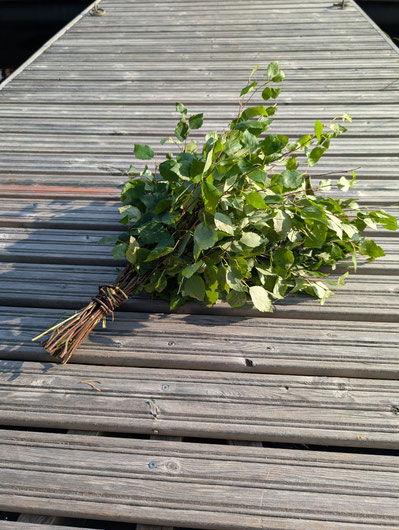
Fresh birch branches, juhannuskoivu decorations, may appear beside doorways, in the sauna or as part of table arrangements and garlands. Some regional traditions also use rowan. Cutting branches requires the landowner's permission; do not collect them casually from trees during a walk.
In some Swedish-speaking coastal areas, a decorated Midsummer pole, majstång, is a familiar local tradition.
The Midsummer sauna
Juhannussauna is an important part of the holiday for many people. Heating a wood sauna, taking unhurried rounds and cooling off outside fit the long evening. A birch whisk, vihta or vasta, adds a characteristic scent when used gently and appropriately.
Swimming is optional. Fresh air is enough, and water activities still require the same care as on any other day.
Flowers and folklore
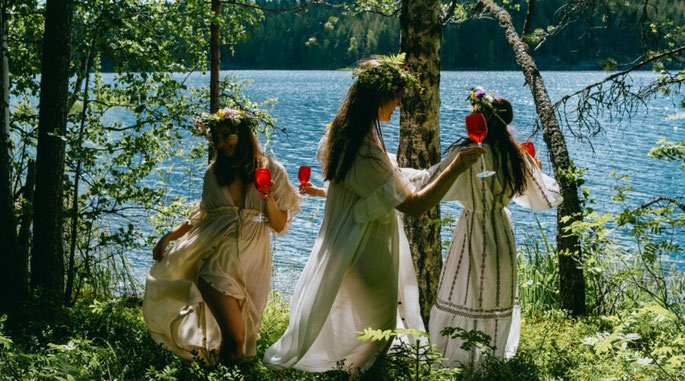
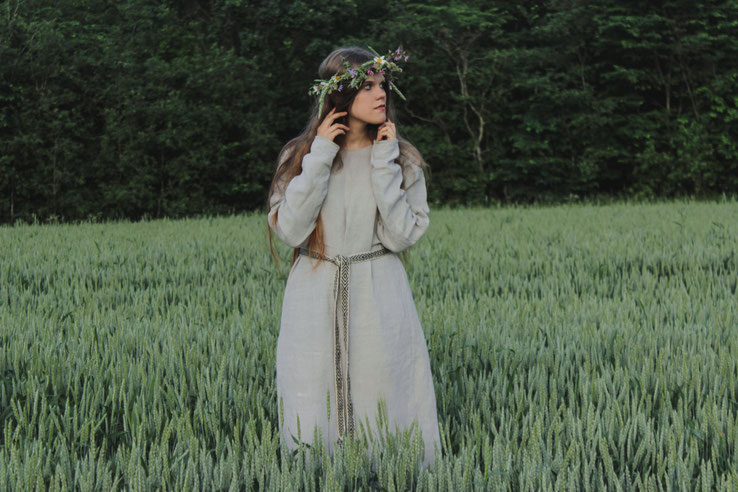
A kukkaseppele is a flower wreath, worn or used as decoration. Older Midsummer customs, juhannustaiat, often concerned love and the future. One familiar story has a person place seven or nine flowers beneath a pillow in the hope of dreaming of a future partner.
Other regional tales involved dew, reflections in water or the direction of a thrown sauna whisk. These are folklore, not instructions or predictions. You can enjoy the stories without reenacting anything unsafe or disturbing plants and property.
The Midsummer bonfire
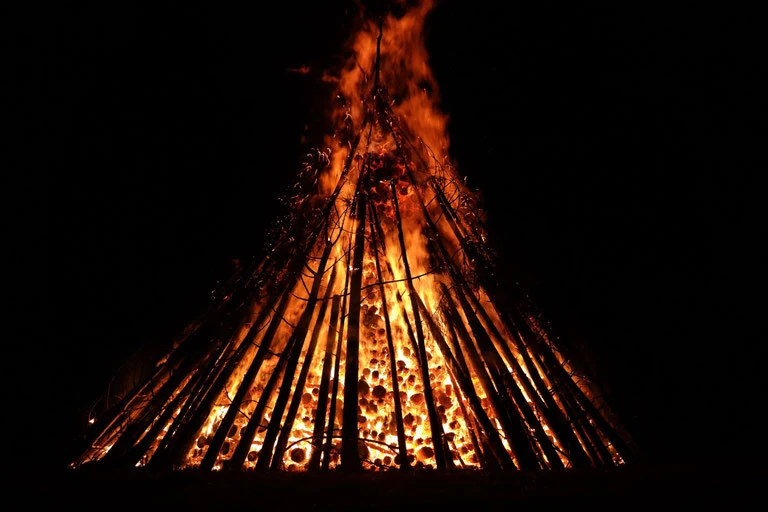
A juhannuskokko beside water is a striking festive image. Bonfires have carried different symbolic meanings and today often bring a community together. They are not permitted simply because it is Midsummer.
Check official wildfire warnings and local permission. During a warning, open fires are prohibited. See the campfire guide.
Music, dancing and weddings
Midsummer can be lively as well as quiet. Juhannustanssit or lavatanssit dances, concerts and festivals draw people together. The season has also been popular for weddings. A small gathering with music at home is just as valid a celebration.
What do people eat?
There is no single menu for the whole country. Fish, new potatoes, bread, dairy products, grilled food and seasonal treats often appear. The meal is usually something that suits the setting and company.
Do not combine alcohol with swimming or boating. Supervise children around the water and use correctly fitted lifejackets for boat outings.
A family Midsummer
A cottage celebration can be simple: prepare a meal, play cards, enjoy the sauna, fish where permitted or watch the evening light. Berry picking depends on what is actually ripe; Midsummer is too early for many of the main northern berries.
You do not need a perfect programme. Flowers, a shared meal and time outside can be enough, whether you are in Finland or celebrating elsewhere.
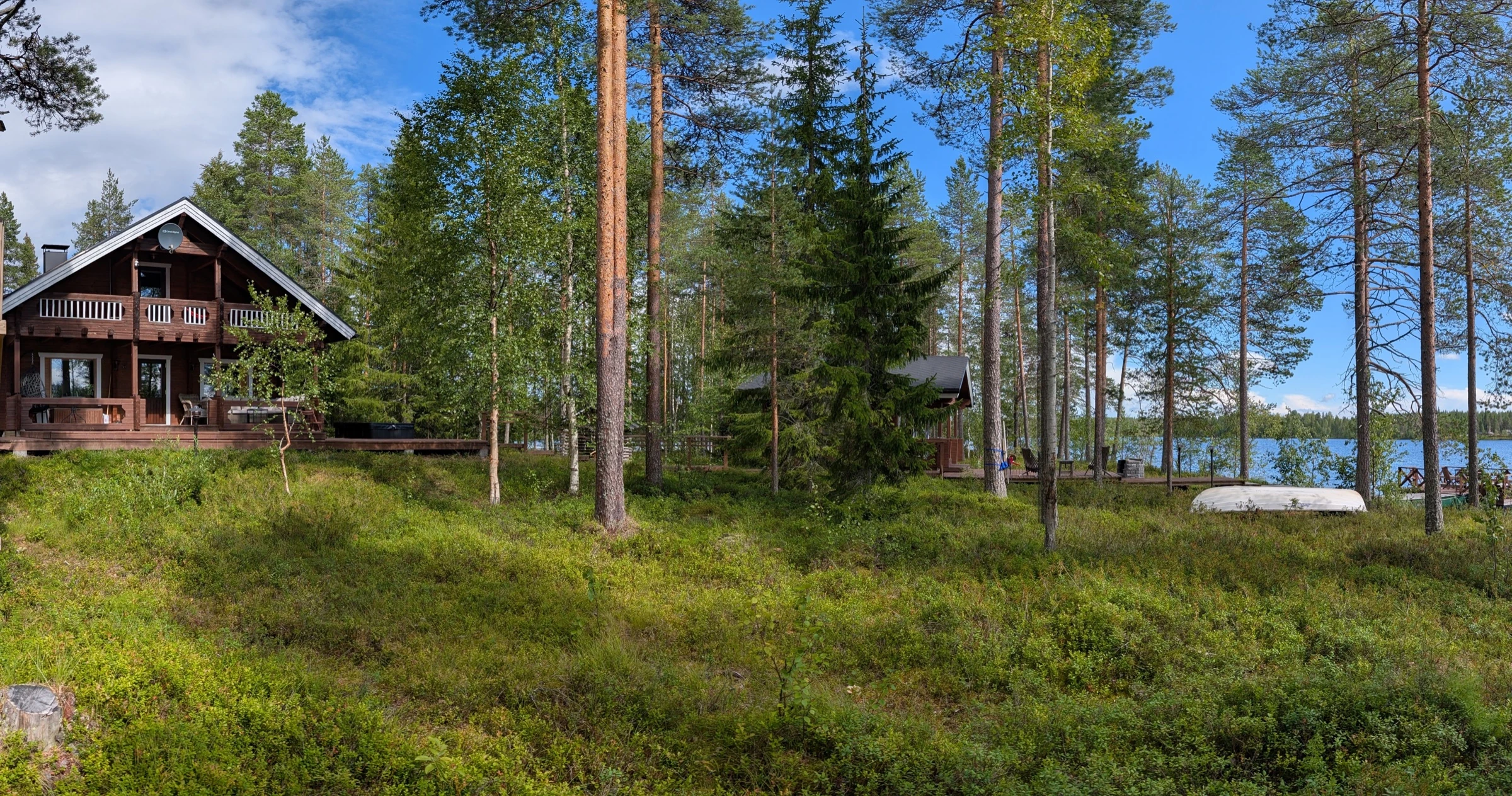
Bright nights at Mökki Tikka
The lake and open sky make the light easy to notice. Some guests stay up later; others appreciate a sleep mask and a familiar bedtime. There is no obligation to make use of every bright hour.
Frequently asked questions
When is Juhannus? The Saturday between 20 and 26 June, with celebrations on Friday evening. What is a kokko? A bonfire, permitted only under current rules. What is a kukkaseppele? A flower wreath. What is a vihta? A leafy sauna whisk. Does Ranua have true midnight sun? It has bright nightless-night conditions south of the Arctic Circle, rather than continuous above-horizon sun.
Explore a lakeside stay and summer experiences.
The cabinExperiences & regionJournal