


In this blog
Mushrooms in northern forests
Mixed woodland with birch, pine and spruce, mossy hollows and damp forest edges can hold a rich variety of fungi. Some are edible, others are not. A short article is an introduction to habitats, not a sufficient identification guide.
Names you may encounter
- Porcini: often called herkkutatti in Finnish.
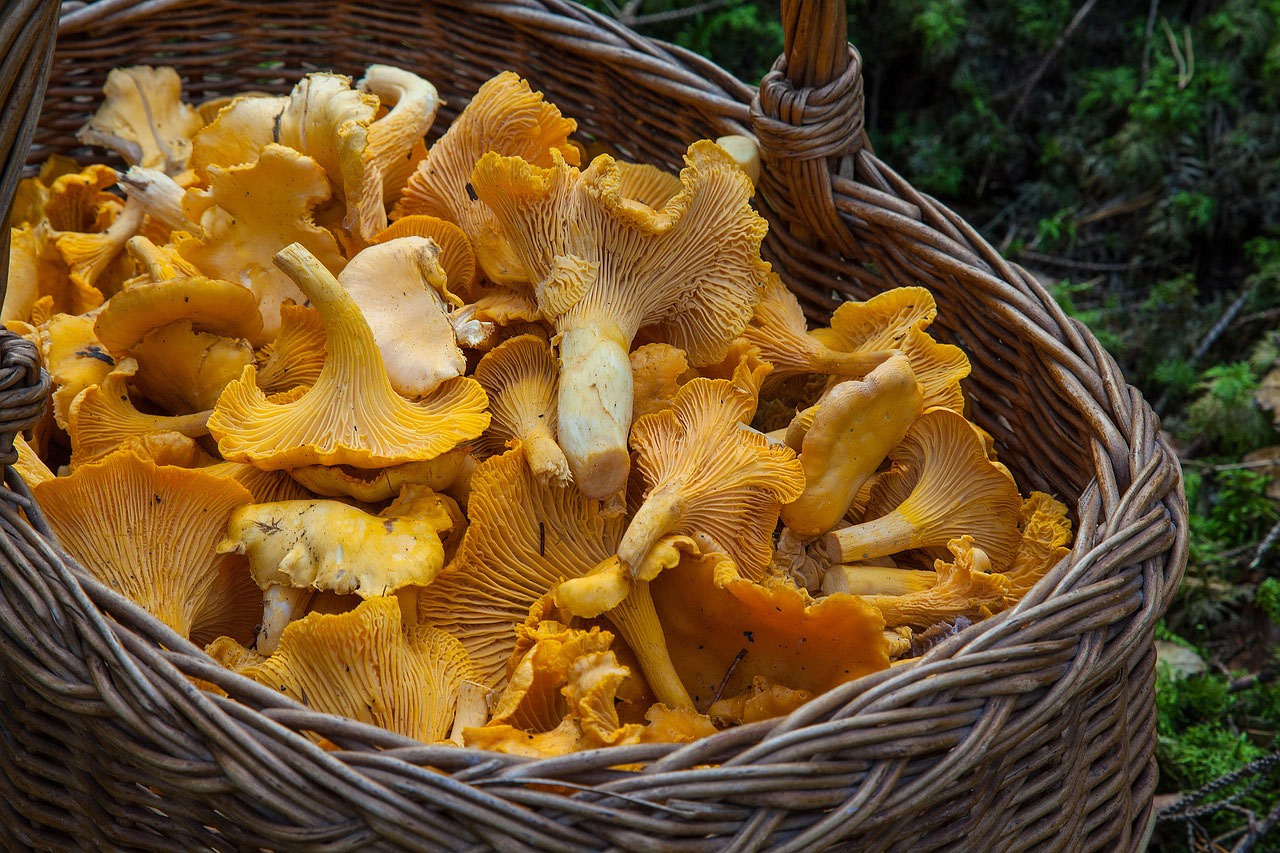
- Chanterelles: keltavahvero or kantarelli.
- Funnel chanterelles: suppilovahvero.
- Birch-associated boletes: several species with different characteristics and preparation requirements.
- Other boletes: Finnish common names must be matched carefully to the correct species; similarly named mushrooms are not interchangeable.
When to look
Late summer and autumn, often from late August towards early October, are the usual season before hard frost. Rain and mild conditions can help, but each year is different. Look on suitable forest ground rather than assuming a previously productive place will always produce mushrooms.
Useful equipment
- A breathable basket and a knife or brush.
- A reliable identification book and, for unfamiliar species, expert assistance.
- Footwear suited to wet and uneven ground.
- Long clothing and insect protection when needed.
Do not rely on a photo-identification app alone to decide whether a mushroom is edible. Keep uncertain specimens out of a basket intended for cooking, and use the correct preparation for the verified species.
Berries and mushrooms can overlap
Lingonberries, crowberries or late bilberries may be present during mushroom season. Enjoy observing both, while identifying anything you intend to eat with certainty.
Respect the place
Everyman's rights generally allow gathering wild berries and mushrooms, with restrictions in certain protected places and respect for private yards and other users. Check local rules, avoid damaging habitats and take only what you can use.
Read our seasonal foraging overview before planning a walk.
The cabinExperiences & regionJournal