


In this blog
Plants along the path
Forest edges and damp ground can hold plants traditionally used in food. Learning about them adds interest to a walk, but common names and brief descriptions are not enough to identify a safe ingredient.
Herbs mentioned in local cooking
- Sorrel: valued for a sharp flavour in small culinary amounts; identify the exact species and suitability.
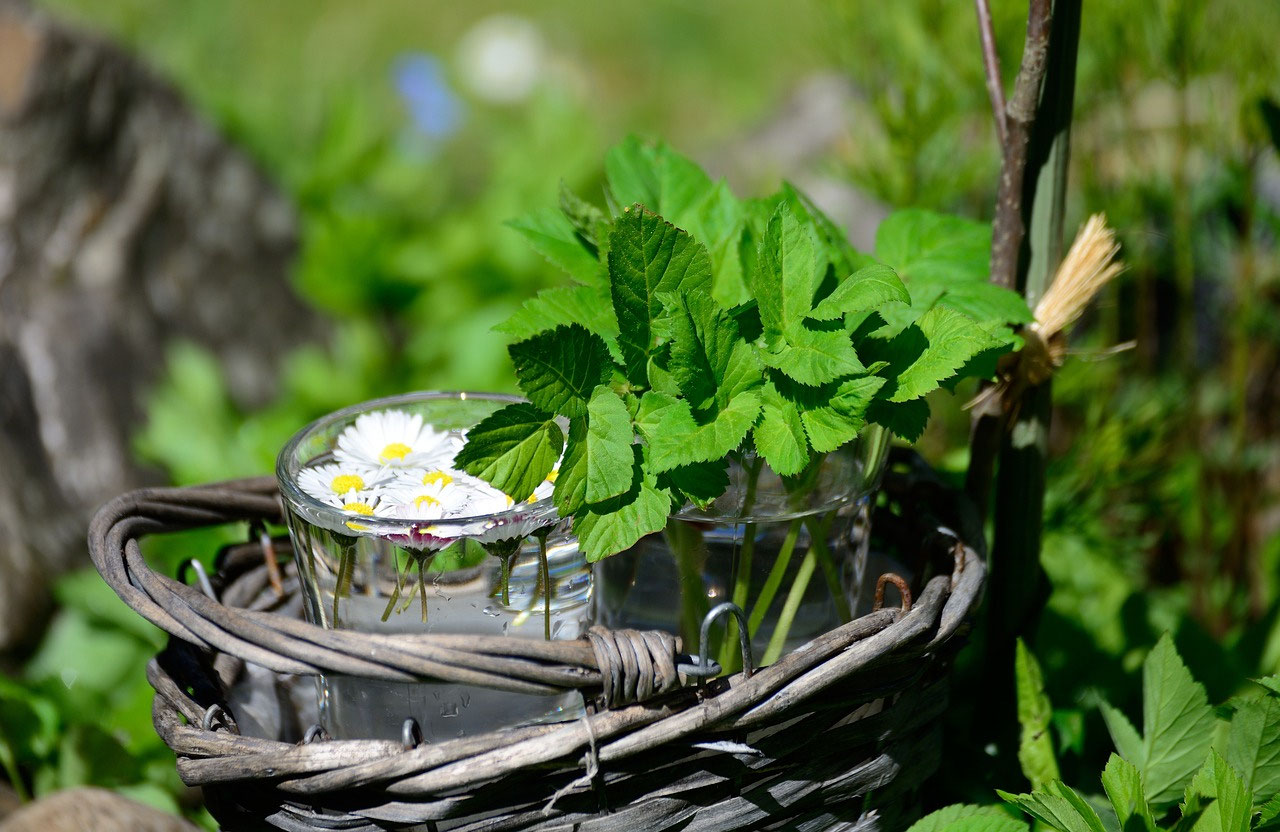
- Ground elder: young leaves are used in dishes such as pesto or a cooked vegetable filling, but poisonous lookalikes make confident identification essential.
- Yarrow: an aromatic plant used sparingly in some traditions; do not treat it as a general digestive medicine.
- Nettle: young shoots are traditionally cooked for soup, bread or a spinach-like dish, with correct handling and preparation.
- Plantain species: occur in food and folk traditions, but an identification and suitability check is still needed.
- Wild mint: suitable, verified plants can flavour a drink or dessert.
Gather carefully
Pick only plants you can identify without doubt and know how to prepare. Avoid contaminated roadsides and places affected by animals or chemicals. Do not remove whole patches, protected plants or tree material without permission. Personal allergies, pregnancy, medication and other conditions can affect whether a plant is suitable.
At the house
In early summer we can discuss nearby plants and possible places to look. If you want to cook a herb omelette or another simple dish, use familiar, verified ingredients. A supermarket herb is a sensible substitute whenever there is uncertainty.
See our berry overview for another way to learn about the landscape.
The cabinExperiences & regionJournal