


In this blog
The essentials at a glance
In brief: In Ranua, the sun rises briefly even in December. Twilight extends the light; snow reflects the available light. Weather, woodland and terrain affect visibility. Northern lights require darkness, sufficient auroral activity and a reasonably clear sky.
Daylight in Ranua: a month-by-month comparison
The table shows approximate day length at the middle of each month in Ranua. This is the time between sunrise and sunset, excluding twilight. Values change considerably within a month; these rounded figures are a planning guide.
| Month | Approximate daylight at mid-month |
|---|---|
| January | 4½ hours |
| February | 8 hours |
| March | 11½ hours |
| April | 15½ hours |
| May | 19 hours |
| June | very long days, light nights |
| July | 21 hours |
| August | 16½ hours |
| September | 13 hours |
| October | 9½ hours |
| November | 6 hours |
| December | 3 hours |
Daylight in Lapland from December to March
These are approximate daylight hours in Ranua at mid-month, from sunrise to sunset—not weather-dependent sunshine hours. Twilight adds light before and after; winter days are shorter farther north.
- December: about 3 hours. Plan longer outings around midday.
- January: about 4½ hours. Days grow longer, while nights remain long.
- February: about 8 hours. A good alternative to December and January if you want more daylight for winter activities.
- March: about 11½ hours. More time for daytime outings, with dark nights still available.
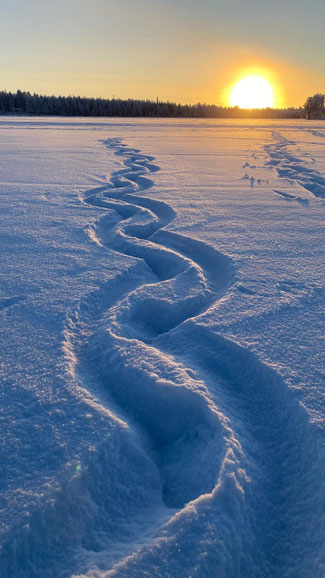
Winter in Lapland often looks different from what people imagine
Our guests’ most frequent surprise: It is much brighter than expected. Many people expect round-the-clock darkness in December. In fact, long twilight and reflective snow provide several hours of light. Walks, snowshoe outings, husky tours and snowmobile trips are therefore also part of a normal December day, with suitable clothing and planning.
Daylight, twilight and sunrise times in Lapland
Many visitors ask: How light is Lapland in winter, really?
When the sun barely rises near the Arctic Circle, is everything dark? No: twilight matters too.
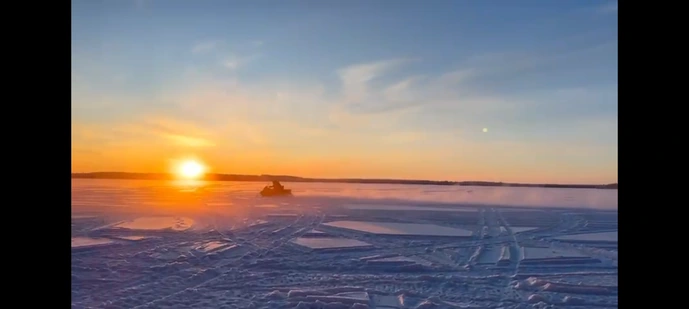
In Ranua in southern Lapland, the sun rises briefly even in December. Twilight comes before sunrise and after sunset. Snow reflects the available light; nights are still dark.
In travel writing, kaamos often means the dark winter season. Astronomical polar night means the sun does not rise for at least a full day. Ranua is south of the Arctic Circle and does not have a polar night lasting several days. Further north, its duration depends on the location.
Daylight in Lapland: how short are the days?
Around 21 December, the time between sunrise and sunset in Ranua is only about three hours. The sun stays very low. Trees and hills can hide it even when it is mathematically above the horizon.
The term civil twilight refers to the period when the sun is up to six degrees below the horizon. It extends the light before sunrise and after sunset. Clouds, snow and terrain also affect outdoor visibility. Plan longer outings around midday and take a head torch.
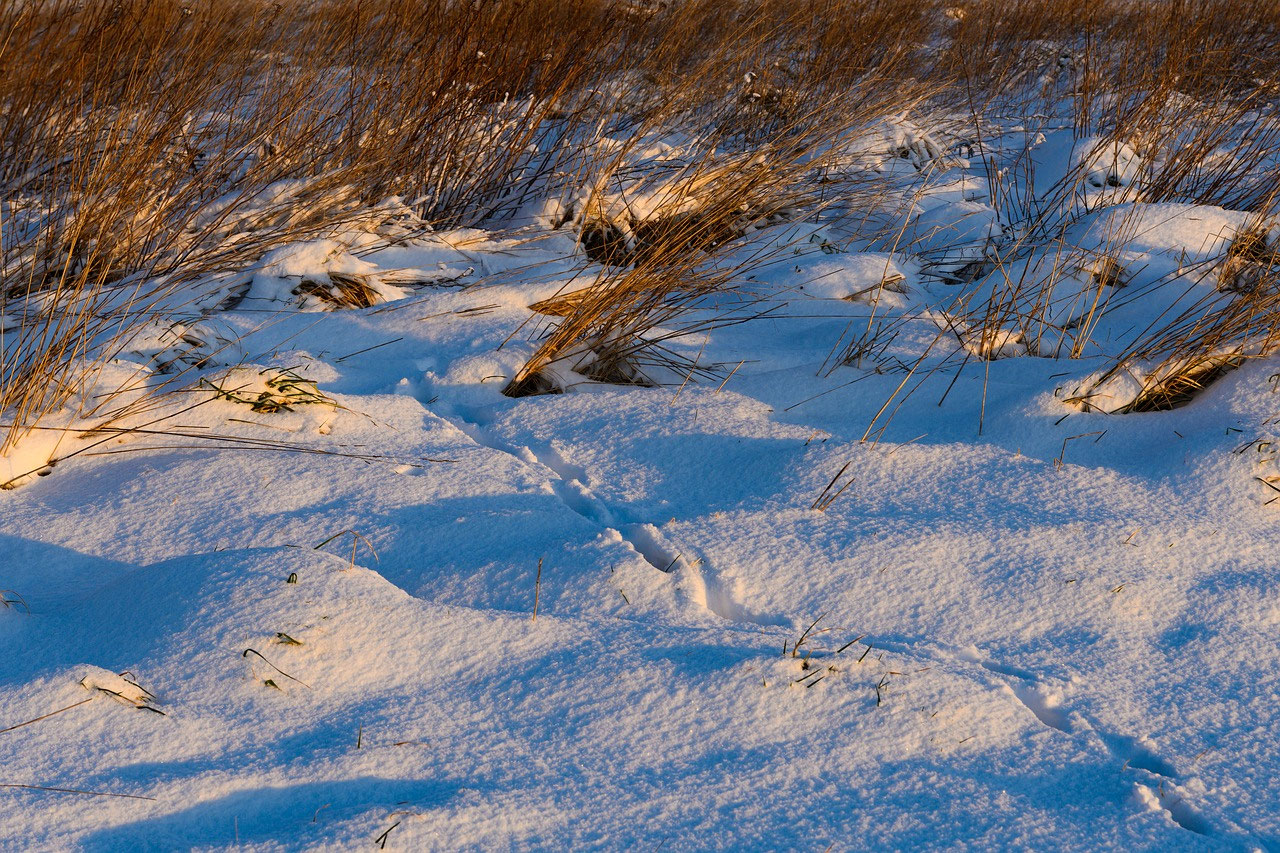
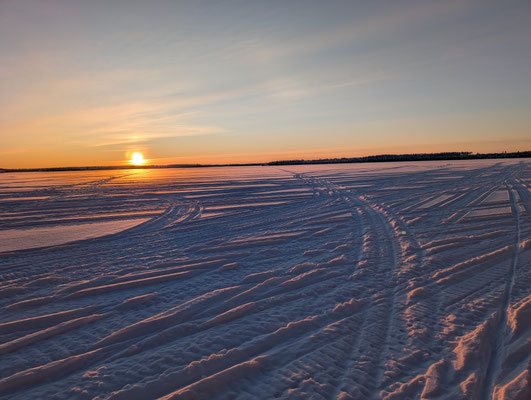
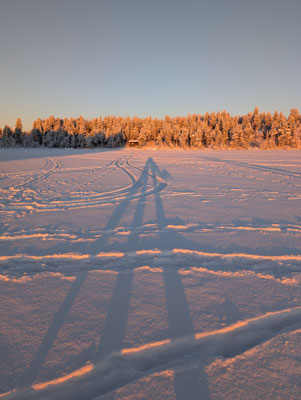
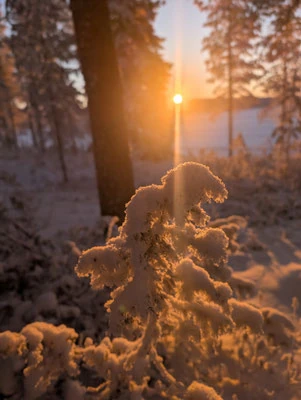
Snow acts as a reflector. It scatters light and softens shadows, giving the winter landscape a luminous quality.
Darkness has its own attractions
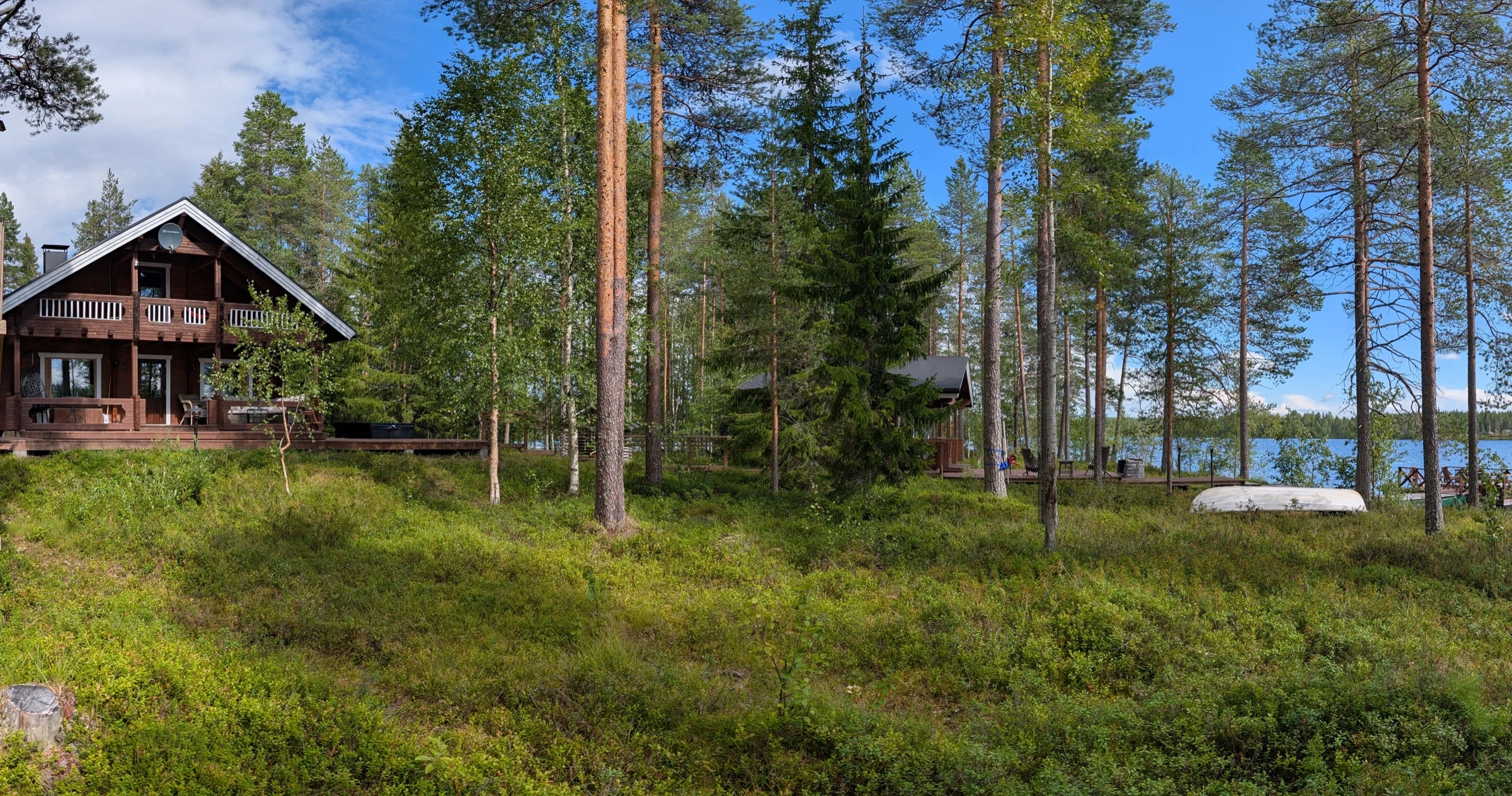
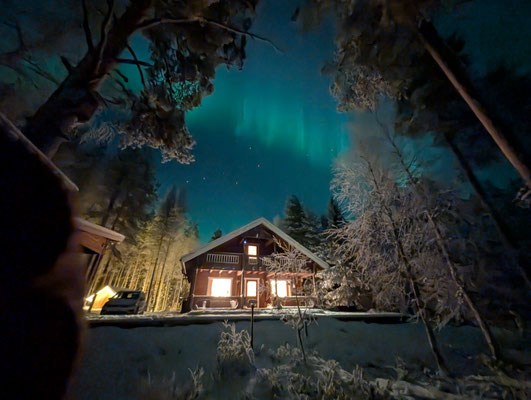
Long nights offer more time to look for the northern lights. After a day outdoors, an evening watching the sky can be a highlight. With luck, you can see the aurora from our house at Lake Koirajärvi, away from city lights. Clear skies and auroral activity are needed; a sighting is never guaranteed.
➡️ Read more about the northern lights
Twilight and colour: Lapland’s hidden light
Many visitors are surprised by the colours of the dark season.
The colours of dawn blend into sunset, with little sense of a bright midday in between.
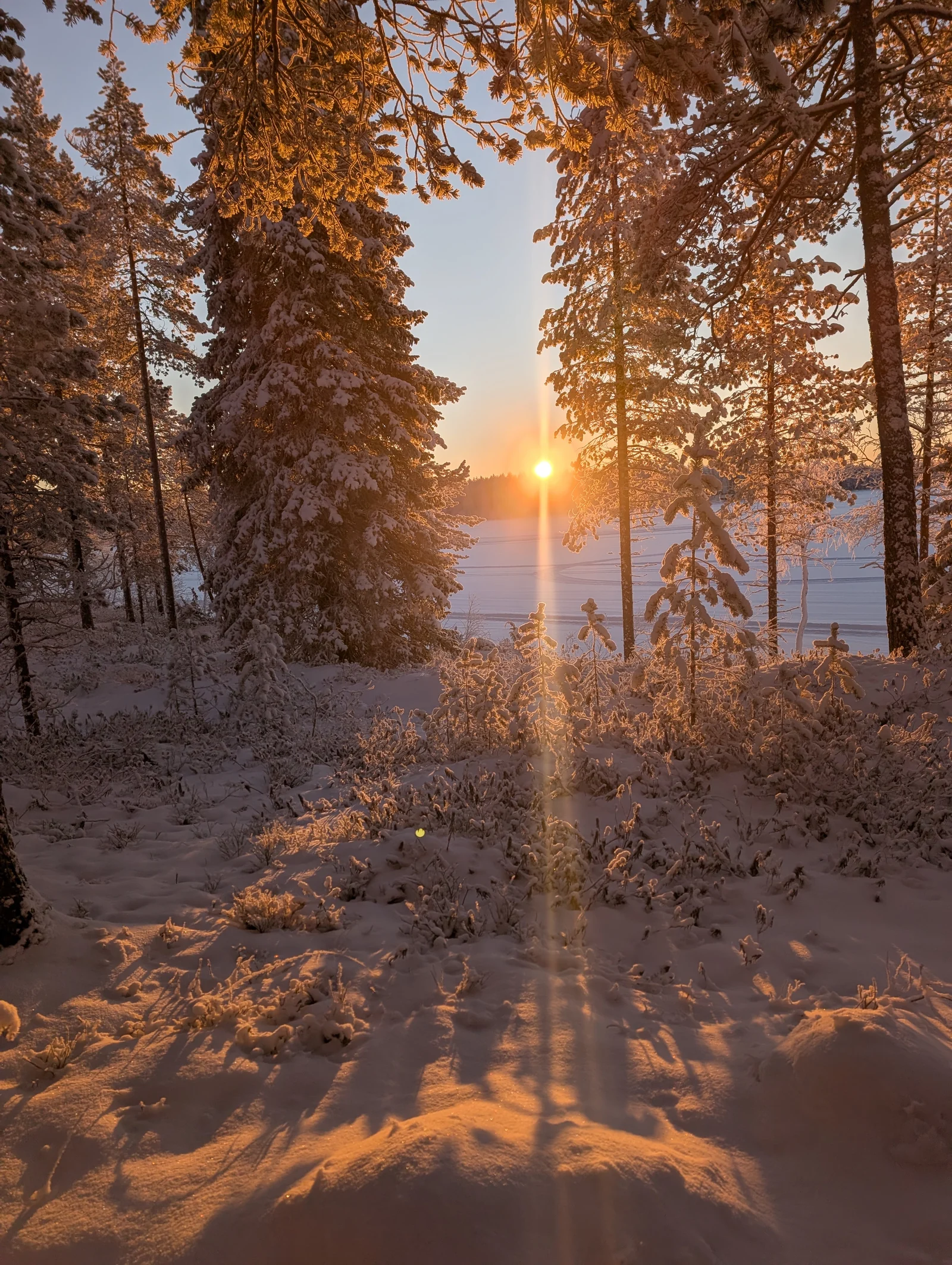
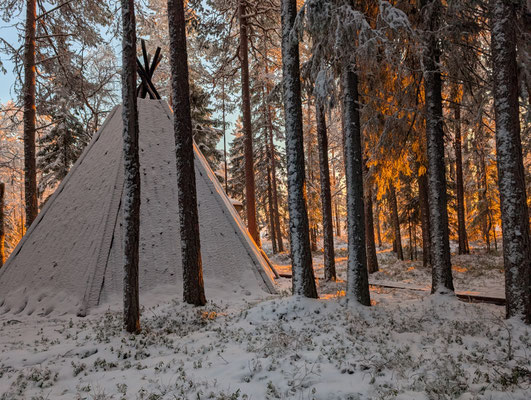
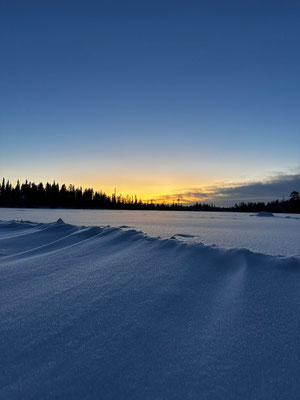
The sun stays close to the southern horizon, while snow, ice and mist change how its light appears. The result can be extraordinary light – from delicate pink to deep blue.
The transitions between daylight and twilight are especially beautiful: pink, gold and blue can follow each other quickly. The blue hour does not last all day, however. Darkness follows, and when conditions are right you can look for the northern lights.
How different is the light? A comparison with Switzerland and Germany
Lapland is often imagined as permanently dark in winter. Day length is certainly much shorter than in Central Europe, but snow and long twilight can make the landscape seem brighter than the numbers suggest.
| Location | Day length around 21 December, rounded |
|---|---|
| Ranua, Finland | 3 hours |
| Hamburg, Germany | 7½ hours |
| Bern, Switzerland | 8½ hours |
Our experience: Although Ranua has much shorter days in December, many guests find the landscape surprisingly bright. Snow reflects the light, and twilight extends the time available for outdoor activities. Weather and preparation still matter.
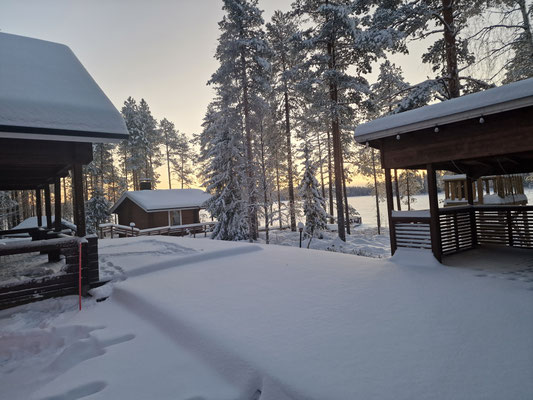
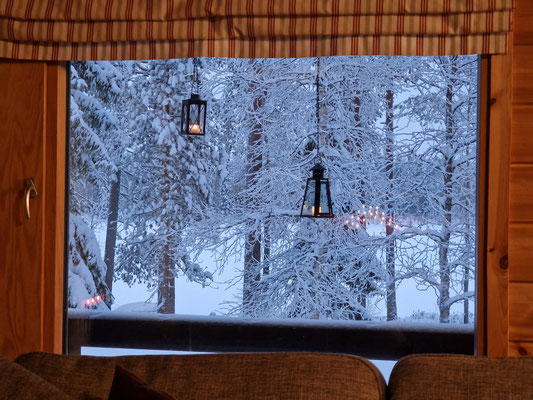
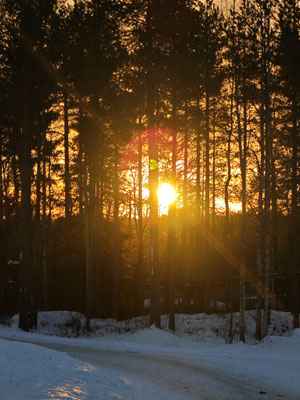
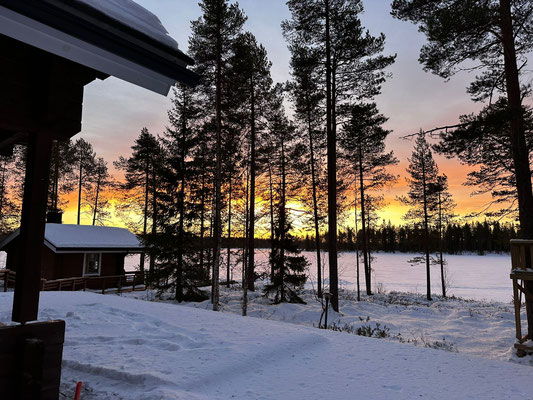
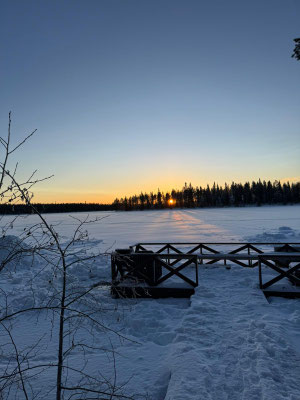
Light returns quickly after the winter solstice. February already has much longer days; around the March equinox, day length is similar in northern and central Europe. Nights become very light in late May and June. Light nights and a continuously visible midnight sun are not the same: location, date and horizon matter.
What makes Lapland’s dark season special?
I often find the dark winter weeks calming. We plan more deliberately, spend time together, cook, play games and watch the weather and light. A fire crackles indoors while the sky changes outside.
Other people miss daylight at this time. Consider what suits you: short, atmospheric days in December and January, or longer active days in February and March.
Is a winter holiday worthwhile with such short days?
Absolutely. For many guests, soft light, extended twilight, daytime winter activities and the possibility of northern lights in the evening are precisely what makes a Lapland winter holiday special.
Short days, remarkable light
Winter in Lapland brings long dark nights and short, often striking periods of light. Both are part of the experience. Planning outings around daylight helps you enjoy the quiet landscape.
Practical tips for your trip
If you are planning a trip to Lapland in winter , knowing the daylight hours helps:
In December and January, plan longer outings around midday. Check sunrise and sunset for your destination and date; twilight is not the same as daylight.
-
The low sun can create soft, warm light. On clear days, snow can still be dazzling; sunglasses are useful in winter too.
-
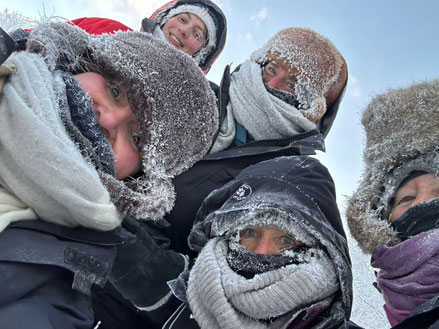
Allow extra time for your return, keep your phone warm and take a head torch. After-dark outings should suit your experience and local conditions. Only go onto frozen lakes following reliable local advice about the ice.
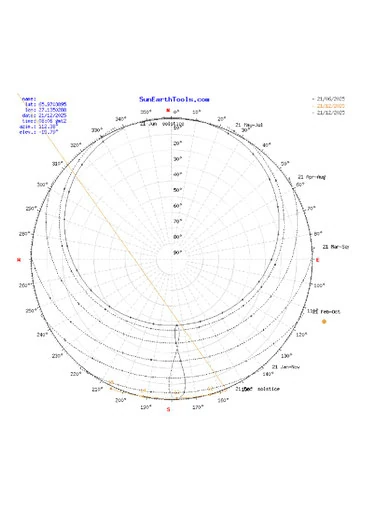
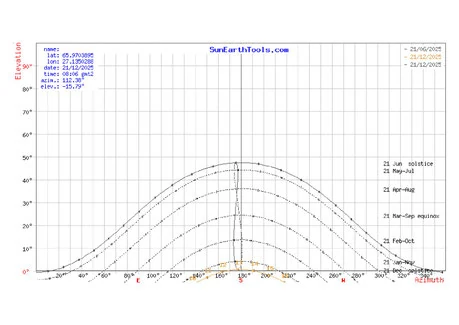
For solar positions and a day-and-night simulation, explore this interactive model here.
Winter days at Mökki Tikka
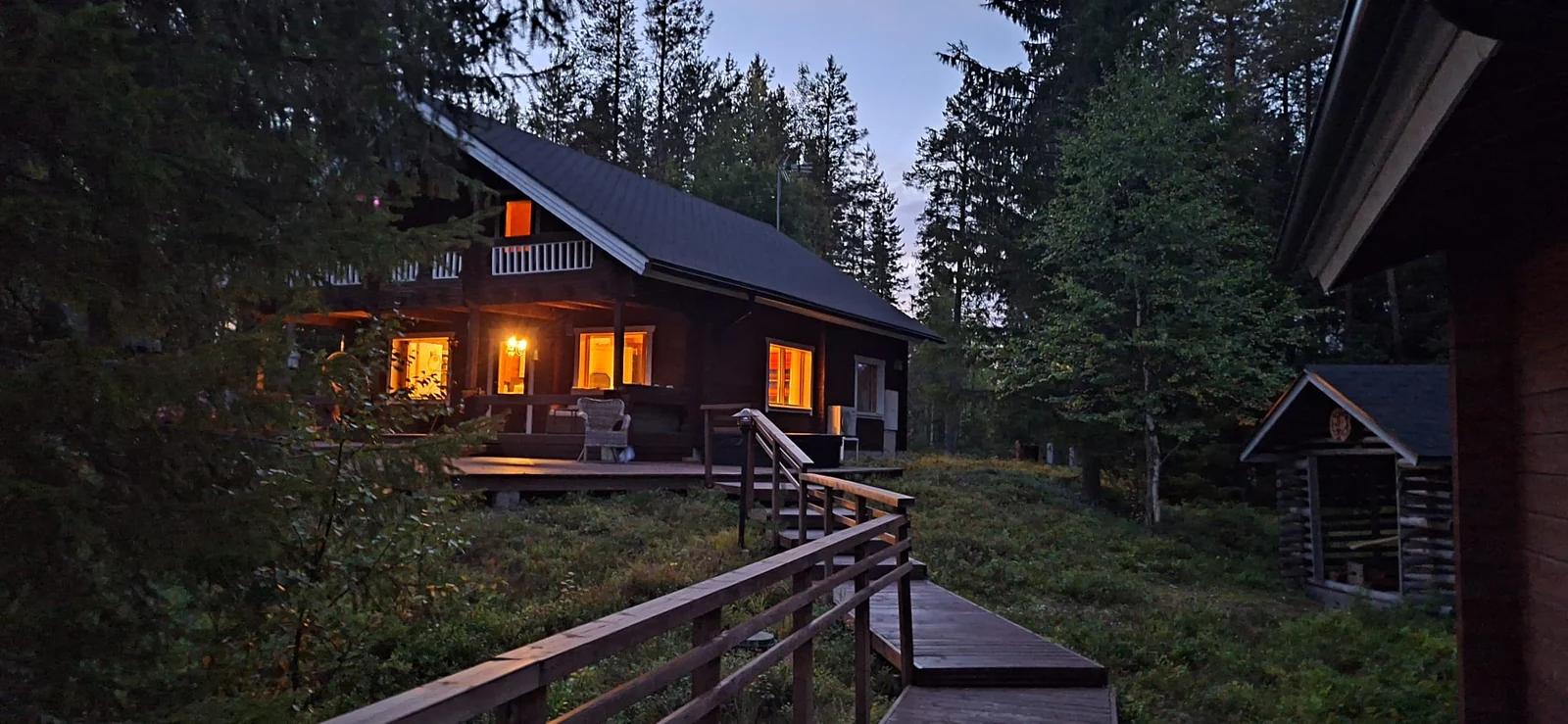
Experience Lapland’s winter light during your stay: walks from the house, snowshoe outings by the lake, daytime husky or snowmobile tours, then sauna or hot-tub time in the evening. When conditions allow, look for the northern lights from the terrace or jetty. Check activity availability and arrangements in advance.
🏡 Discover Mökki Tikka holiday home
🎯 Activities around Ranua
Frequently asked questions
Is it dark all day in Lapland in winter?
Not in Ranua. Even on the shortest day there are a few hours between sunrise and sunset, with twilight before and afterwards. This provides light for many outdoor activities, depending on the weather and terrain.
Can you spend time outdoors in December?
Yes, with suitable clothing and plans adapted to the weather and daylight. Walks and guided winter tours are possible in December too. Ask the operator about start times and requirements; one fixed schedule cannot suit every tour.
Why does Lapland seem brighter than expected?
Snow reflects the available light strongly. This can make the landscape and sky appear much brighter than visitors expect.
When is the light best for photography?
From December to February, the sun remains low. This can create soft shadows and beautiful blue, pink and golden tones, depending on the weather and time of day.
Can you see the northern lights despite the short days?
Long nights provide more dark observation time. Visibility also depends on solar activity and clouds. A sighting cannot be guaranteed.
When do days get longer again?
Daylight increases each day in January. February days are much longer than December days, and by March Lapland feels remarkably bright.
When does the midnight sun begin?
Around Ranua, nights become very light from late May. The further north you travel, the longer the period of midnight sun. Exact dates depend on the location.
Does Ranua experience true polar night?
No. Ranua lies south of the Arctic Circle. The winter sun rises only briefly, but does not disappear below the horizon for several days as it does further north, for example in Utsjoki or at the North Cape.
Sunrise times and further information
These are rounded guide values, not guaranteed hours of usable light. Check local sunrise and sunset times for your travel date: Ranua sunrise and sunset and Ranua monthly overview. About polar night: Finland.fi. Content checked on 29 October 2026.
The cabinExperiences & regionJournal