

In this blog
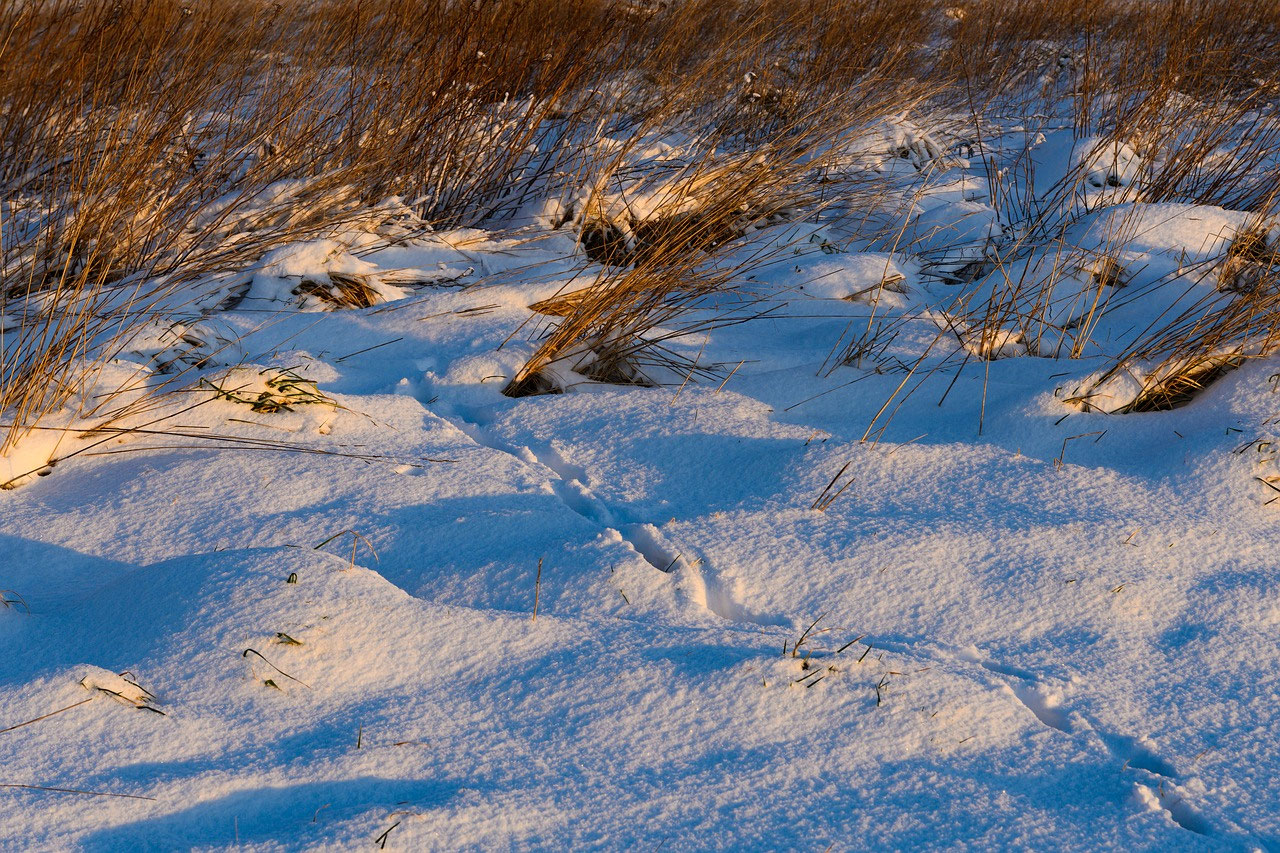
Snow records visits you never saw
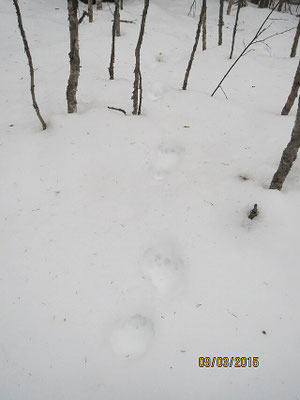
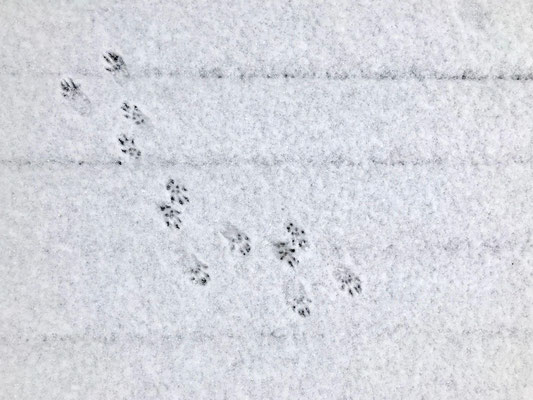
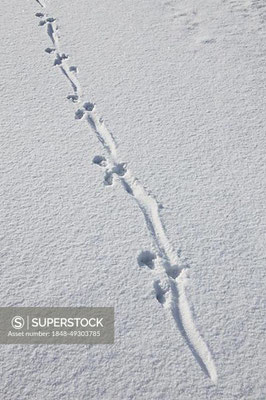
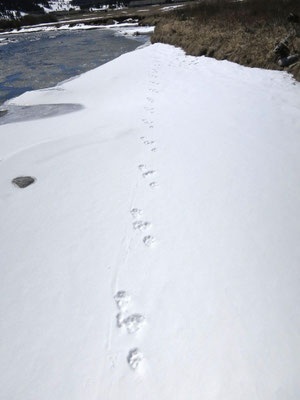
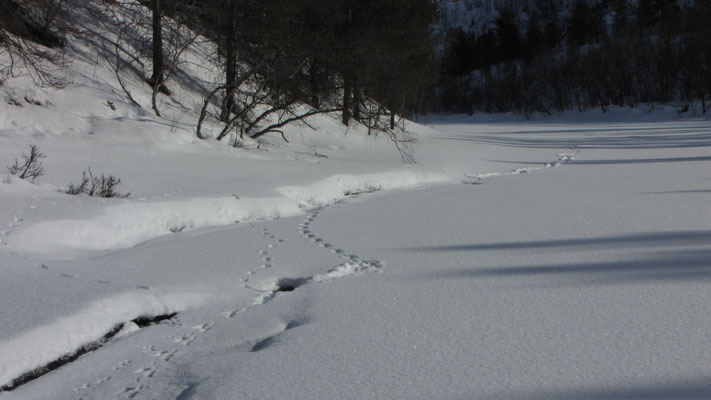
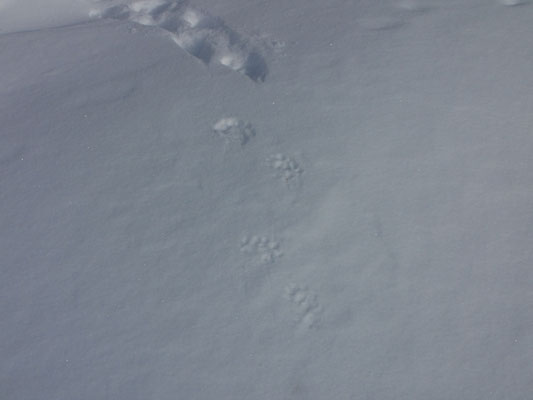
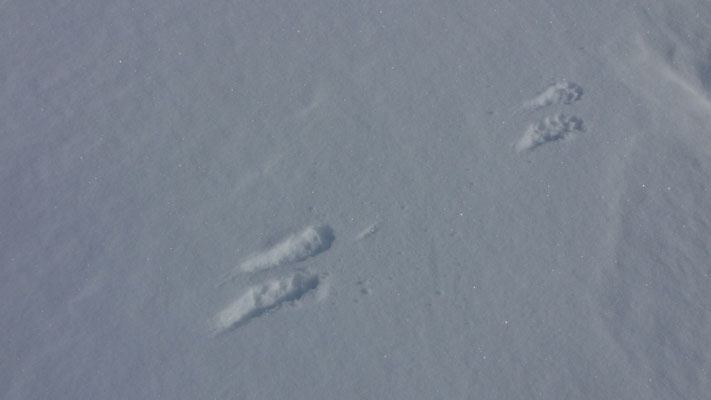
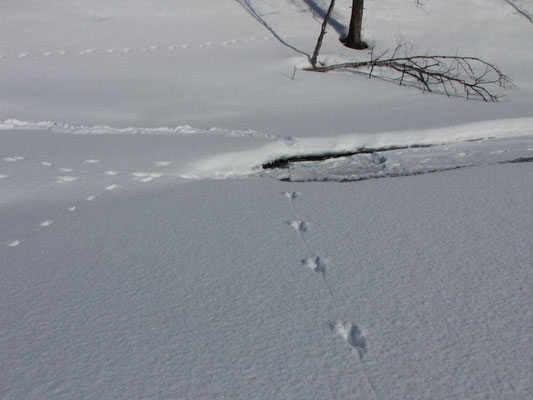
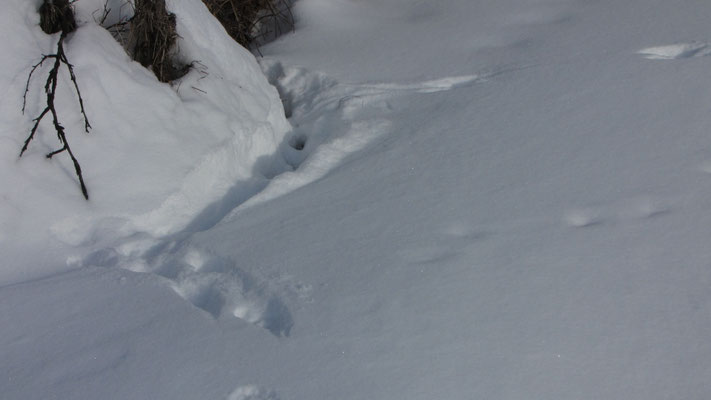
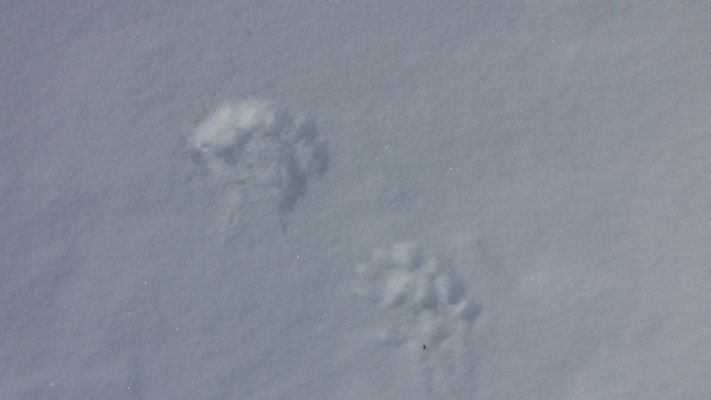
A quiet winter path can reveal a busy night: a hare's jumps, a fox's steady line or a bird's marks below a tree. Track shape, size, spacing, surrounding habitat and the condition of the snow all matter. A single footprint rarely proves the species.
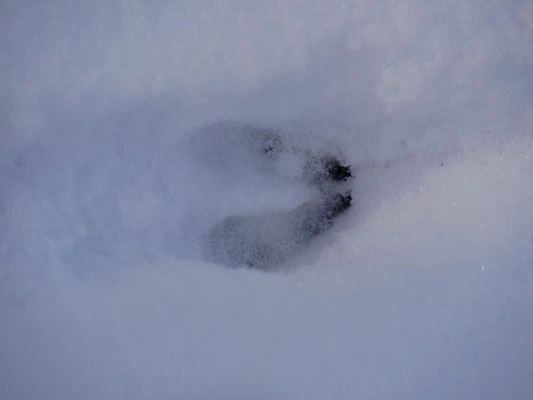
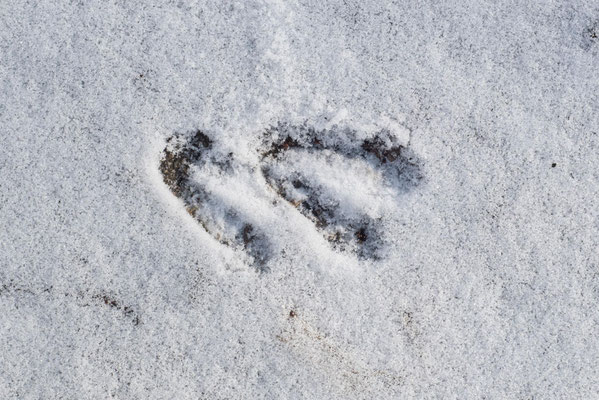
Reindeer and moose
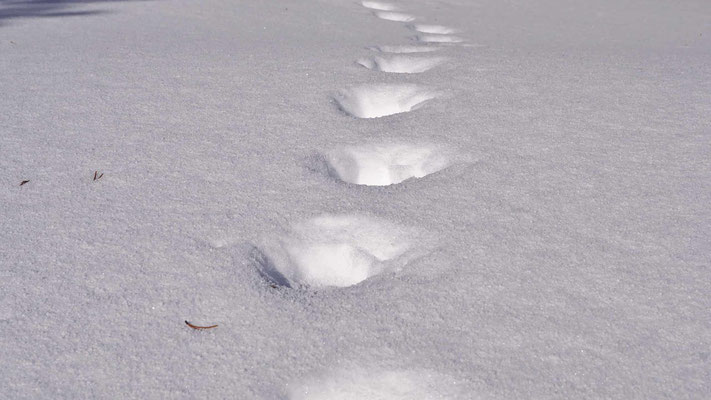
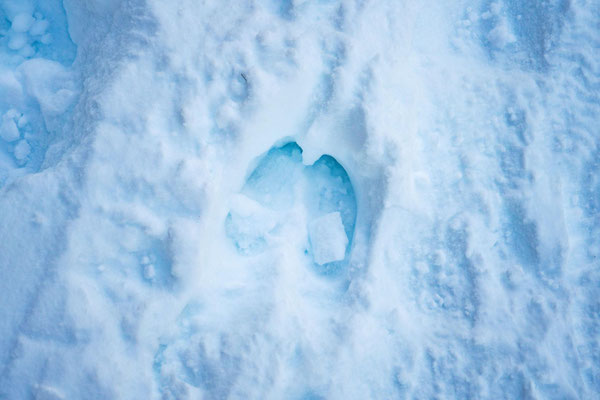
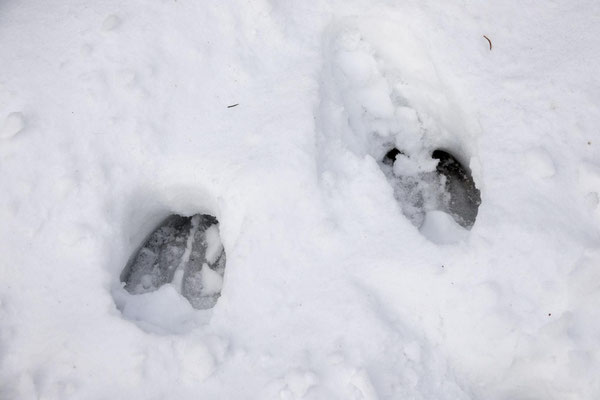
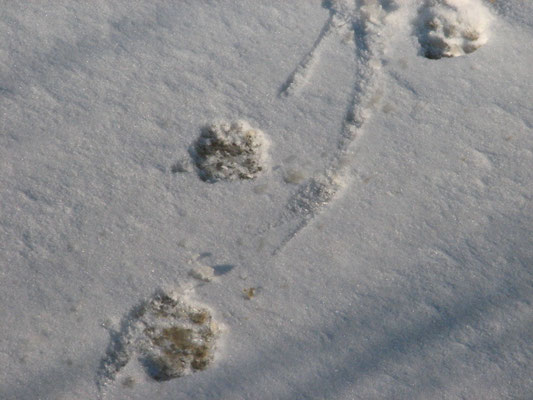
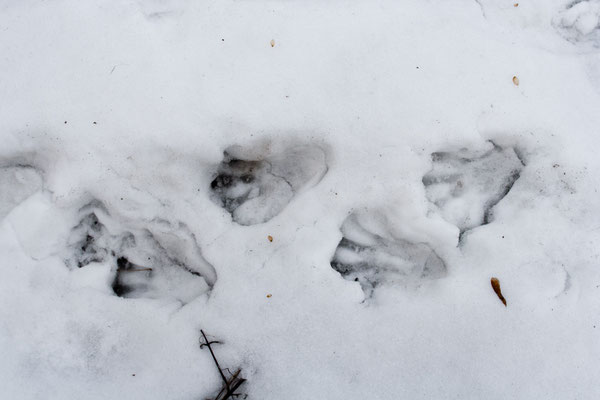
Both leave cloven-hoof prints. Moose tracks are generally larger, while reindeer tracks can appear broad and rounded. Snow depth and movement change the outline; compare several prints rather than relying on one perfect-looking mark.
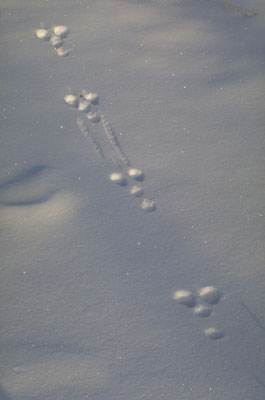
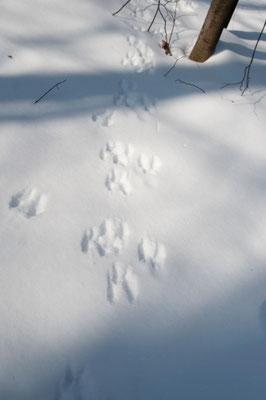
Hares
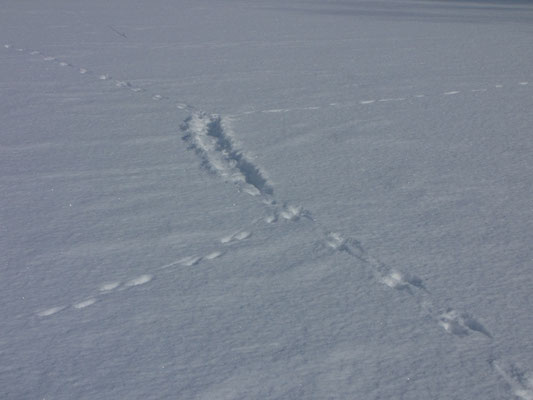
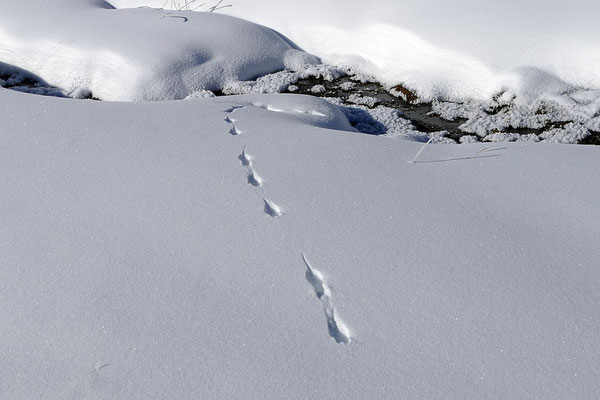
In a running hare's trail, the larger hind feet land ahead of the smaller front feet. Repeated groups of prints create a characteristic jumping pattern. The distance between groups varies with speed and snow.
Foxes and other canids
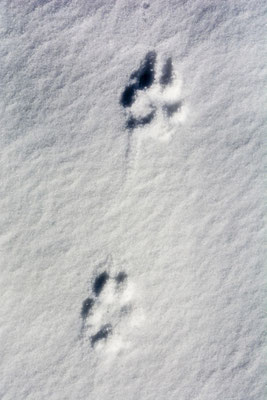
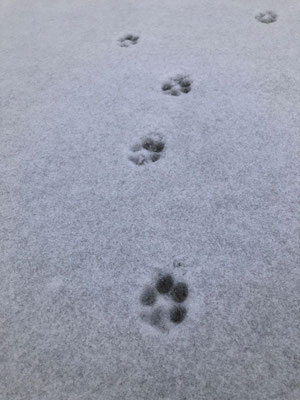
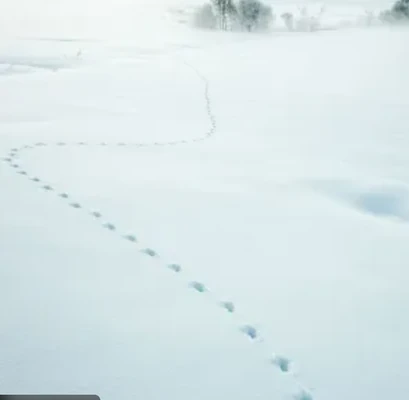
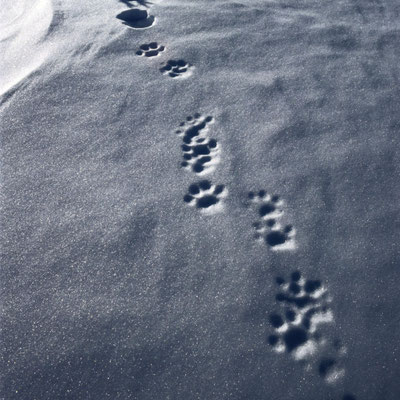
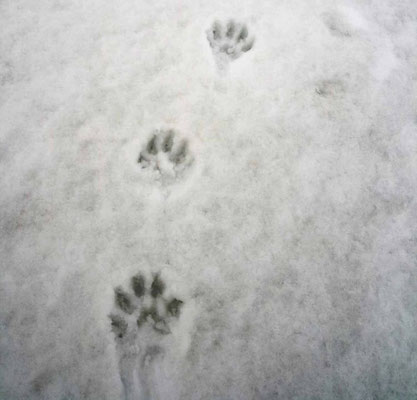
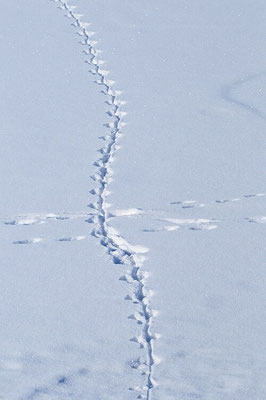
A fox often moves in a fairly direct line, with compact paw prints and visible claw marks in suitable snow. Domestic dogs can leave similar prints, and wandering or playful movement can complicate the picture.
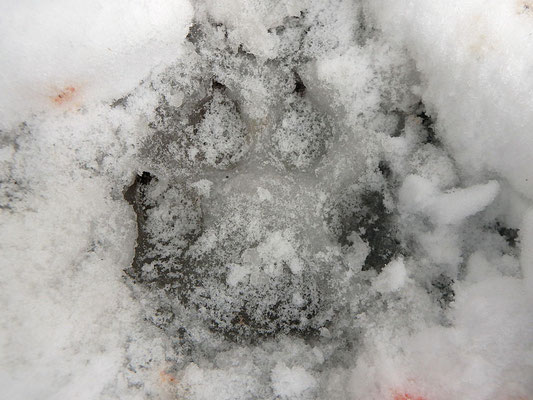
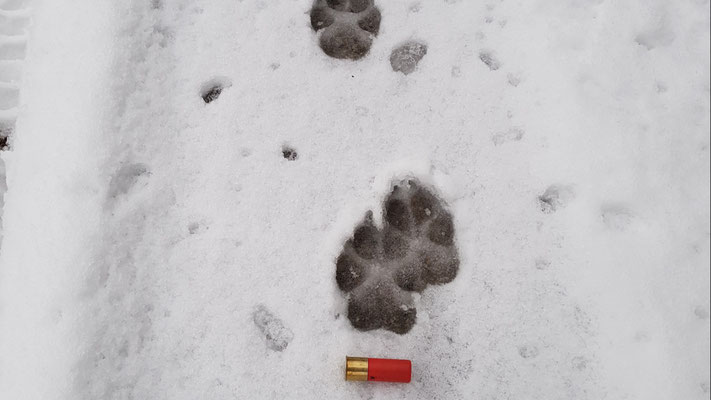
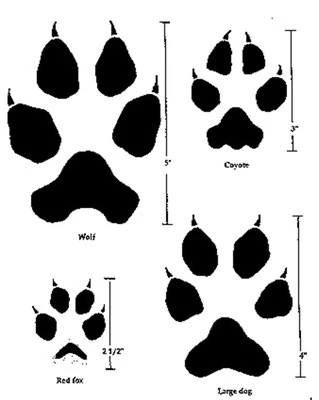
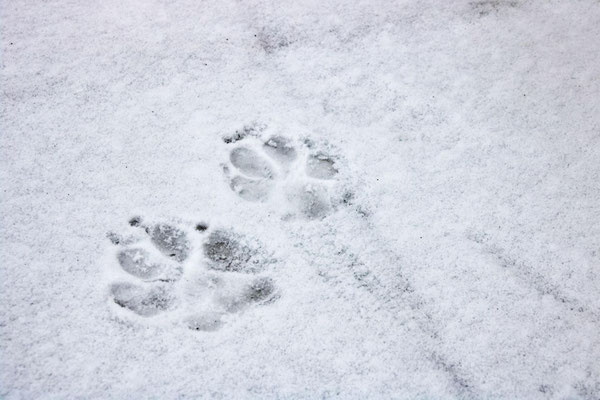
A large canine footprint is not proof of a wolf. Track details overlap with dogs, and snow can enlarge a print. Do not pursue a possible predator trail to confirm the identification.
Small mammals
- Squirrels: bounding tracks often connect trees; gnawed cones can provide another clue.
- Mice and lemmings: tiny marks, sometimes with a tail line, may lead into the snow.
- Stoats, weasels and martens: bounding patterns can appear in pairs or groups. Size and habitat help, but these trails are easy to confuse.
The Arctic fox is associated with the far north and is not the ordinary fox to expect around Ranua. Avoid identifying a local fox track as Arctic fox simply because the ground is snowy.
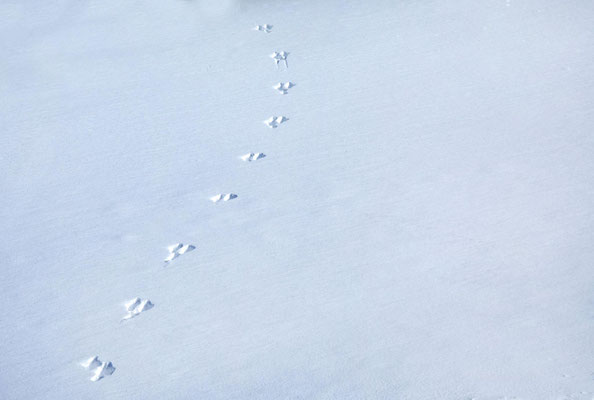
Bird tracks
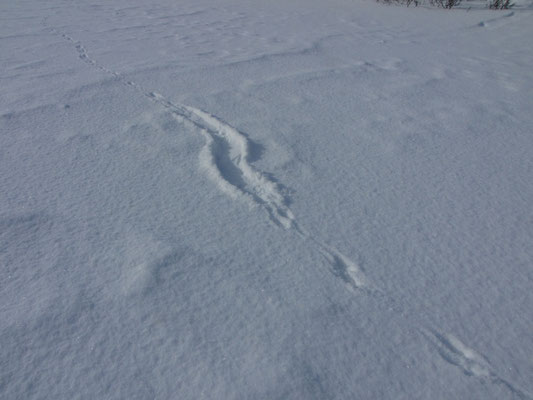
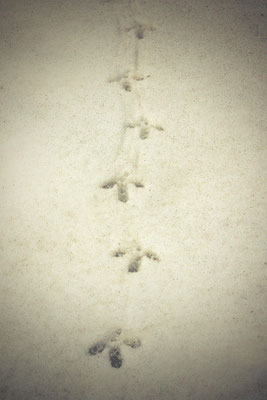
Many birds leave three forward-facing toes, with the hind toe visible to varying degrees. Grouse can leave tracks beneath trees or signs of resting in snow. Wing impressions may show where a bird took off or landed.
Capercaillie and other grouse have winter adaptations that affect the shape of their prints. Tracks alone can be hard to separate: location, size and other signs help, but birds should not be flushed for confirmation.
Lynx and wolverine
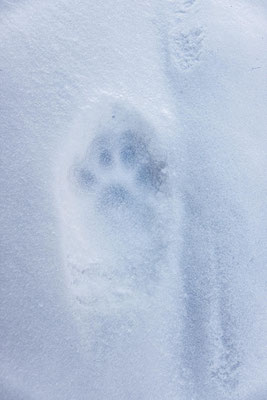
Lynx prints are generally rounded, and claws are often not visible. Wolverine prints differ: five toes and claw marks may show. The two should not be treated as interchangeable large-cat tracks.
These are cautious identification clues, not a field key. Photograph a track with a scale from the path if possible, and ask an experienced local observer when the identification matters.
Tracks near water
- Otter: paw prints and sliding marks may occur around water.
- Mink: smaller bounding tracks can also appear near shores.
- Beaver: larger hind-foot impressions, dragging marks and gnawed wood can be clues.
- Muskrat: smaller tracks and tail marks may occur in suitable wetland habitat.
Open water, stream mouths and thin ice are hazards. Never follow an interesting track onto unassessed ice or towards an unsafe bank.
Make a small observation record
Photograph several prints and the wider trail. Note approximate size, direction, spacing, habitat and weather. A ruler or another object placed beside the print helps with scale. Keep uncertainty in your notes instead of forcing every trail into a species name.
With children
Compare jumps with walking tracks and look for signs near a familiar route. The purpose can be discovering how animals move, not completing a list. Stay together, dress for pauses and turn back before anyone becomes chilled.
Respect the animal behind the track
Do not follow animals to resting places, nests, dens or carcasses. Avoid disturbing birds sheltering in snow. Keep dogs under control and leave sensitive sites quietly. A trail is evidence of wildlife using its habitat, not an invitation to chase it.
Discover winter experiences around Ranua and birdwatching at Mökki Tikka.
The cabinExperiences & regionJournal