


In this blog
Observe rather than approach
Reindeer, moose, foxes, hares and smaller mammals may be encountered in Lapland. Large predators are much less commonly seen. Most sightings are opportunities to observe from a distance, not invitations to move closer.
General preparation
Keep dogs under control, avoid feeding animals and do not approach young animals, dens or carcasses. Use binoculars and give an animal an escape route. Never let the wish for a photograph determine how close you go.
Moose and reindeer
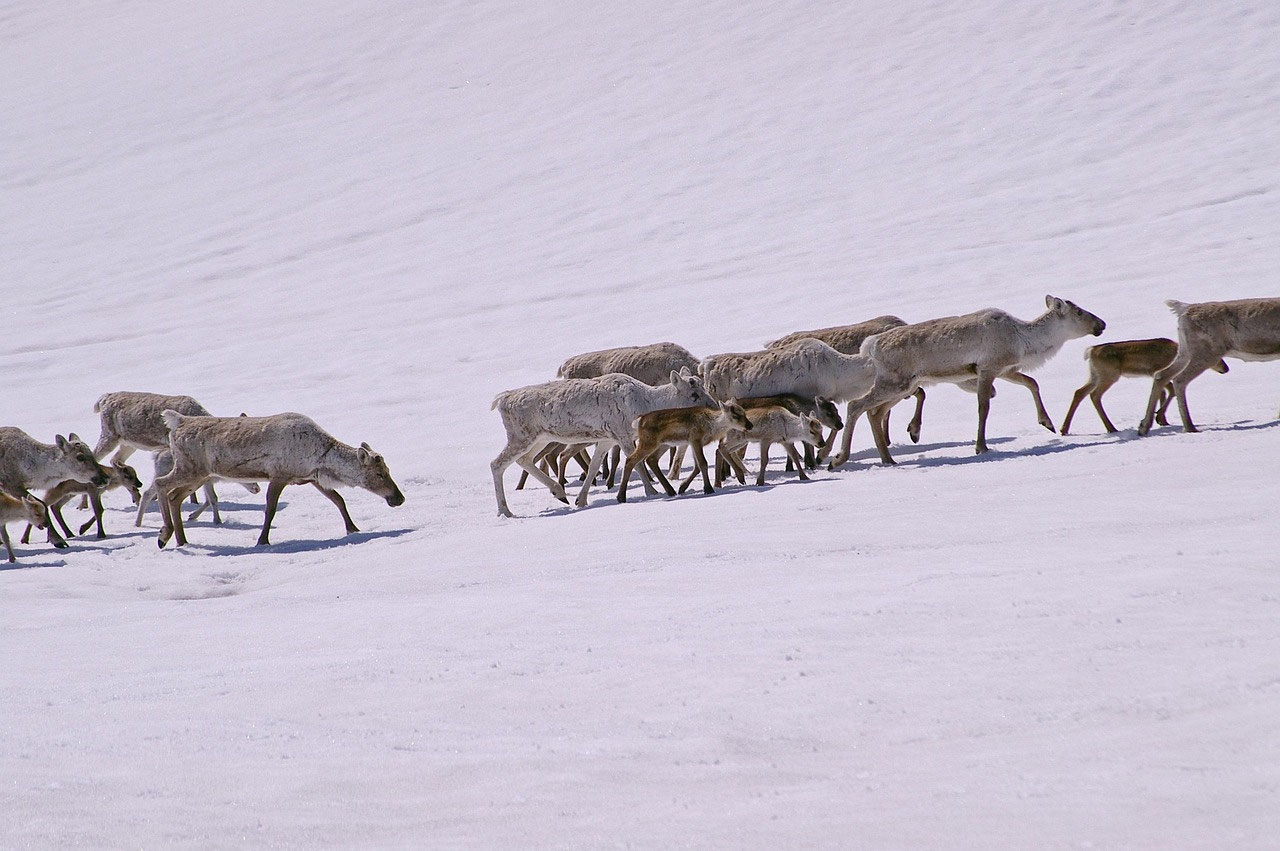
Moose are large and can be dangerous, especially around calves or when stressed. Give them plenty of space and withdraw rather than blocking their route. Reindeer often appear near roads; slow down, wait patiently and do not feed or touch them.
Smaller mammals
Foxes, stoats and martens are best watched quietly from a distance. Do not describe any wild animal as invariably harmless or try to hand-feed it.
Wolves and bears
Advice differs by species and situation. Before visiting remote areas, read the Finnish large-predator encounter guidance. Do not apply a single rule about silence, eye contact or retreat to every predator. Never follow a bear or wolf to get a better view.
Useful things to carry
Binoculars, a map and a means of calling for help are useful. Record a sighting from a safe distance if appropriate, without publicly exposing sensitive breeding sites. In an immediate emergency, call 112.
The animals live here; we are visitors. Understanding their need for space is part of enjoying nature around Mökki Tikka.
The cabinExperiences & regionJournal