


In this blog
What are northern lights?
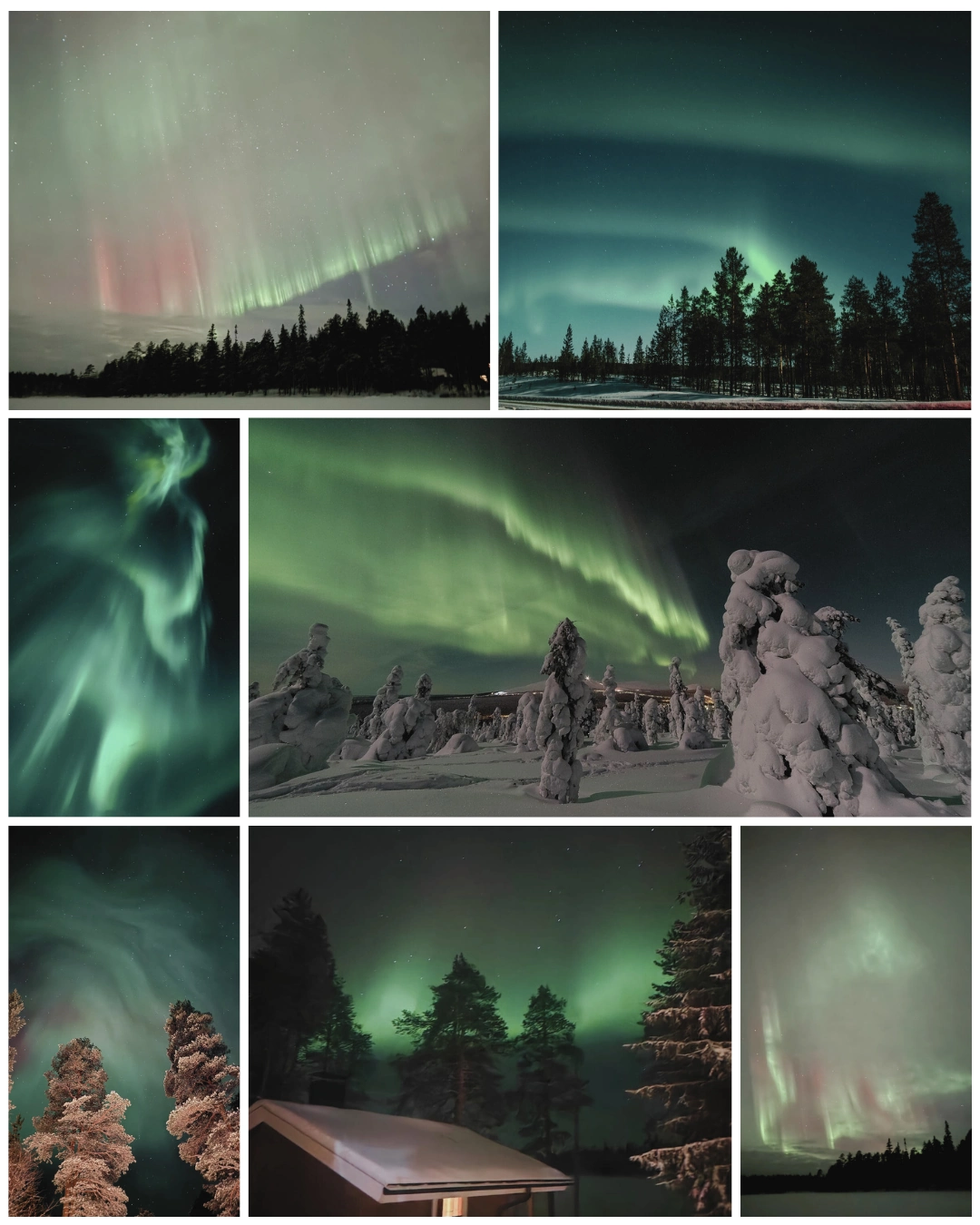
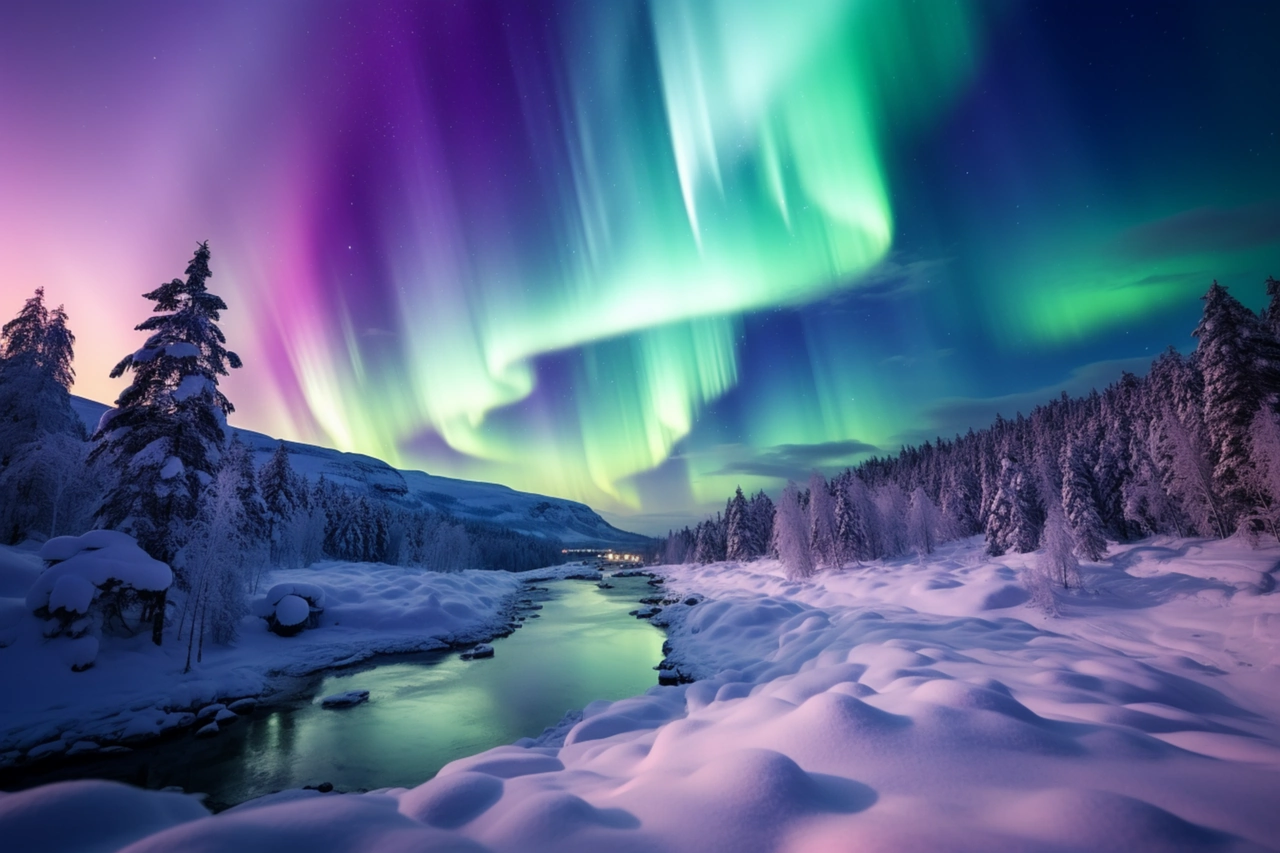
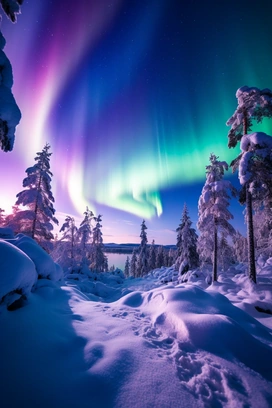
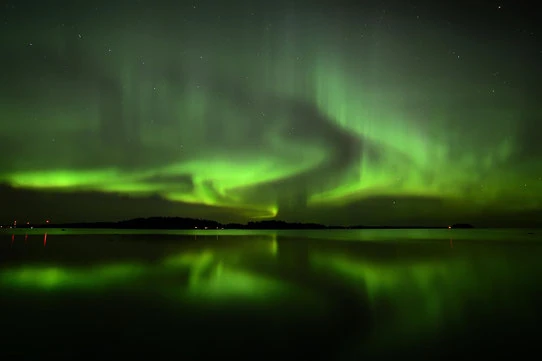
Aurora borealis is the northern form of a light phenomenon in Earth's upper atmosphere. The southern counterpart is aurora australis. Interactions involving charged particles and atmospheric gases create the light, which can appear green, red, violet or pink.
How does it happen?
The Sun releases the solar wind. Its interaction with Earth's magnetic environment can accelerate particles into the upper atmosphere. Collisions involving oxygen and nitrogen produce light far above ordinary weather clouds.
Green and red emissions are associated with oxygen at different heights, while nitrogen contributes blue and violet tones. A simple colour chart is an introduction, not a complete description of every display.
Why near the poles?
The auroral zones lie around Earth's magnetic poles. They do not follow the geographic Arctic Circle exactly. Activity and the position of the auroral oval vary; stronger disturbances can make displays visible much farther south.
When can we see them?
Aurora can occur throughout the year, but observation needs sufficient darkness. In Finnish Lapland the practical season is roughly late August to early April. Bright summer nights usually hide it.
Late evening and around local midnight are useful times to watch, although there is no fixed nightly appointment. A short burst may last minutes; an active night can have several phases separated by quiet periods.
Darkness and weather
Artificial light reduces the visibility of faint structures. An open shore or clearing can offer a better view than a lit street. Cloud cover is equally important: aurora above thick cloud remains hidden.
Cold itself does not produce aurora. Choose your position safely, with warm clothing and access to shelter. A frozen lake or exposed fell is not automatically a suitable place just because the horizon is open.
Where in the world?
Northern Finland, Sweden, Norway, Iceland, Alaska and northern Canada offer opportunities under suitable conditions. Regional frequency statistics are not guarantees for a trip, and a claim of 200 visible nights should not be applied to Ranua without a local basis.
Southern aurora can be observed from some southern locations, including parts of Tasmania and New Zealand, as well as Antarctica. Visibility depends on location and activity there too.
Ways to experience the night sky
Glass-roof accommodation, a cabin, a guided walk or a photography outing offer different comforts and practical arrangements. None can promise a glowing sky. Choose the experience for its full value, including the landscape and time outdoors.
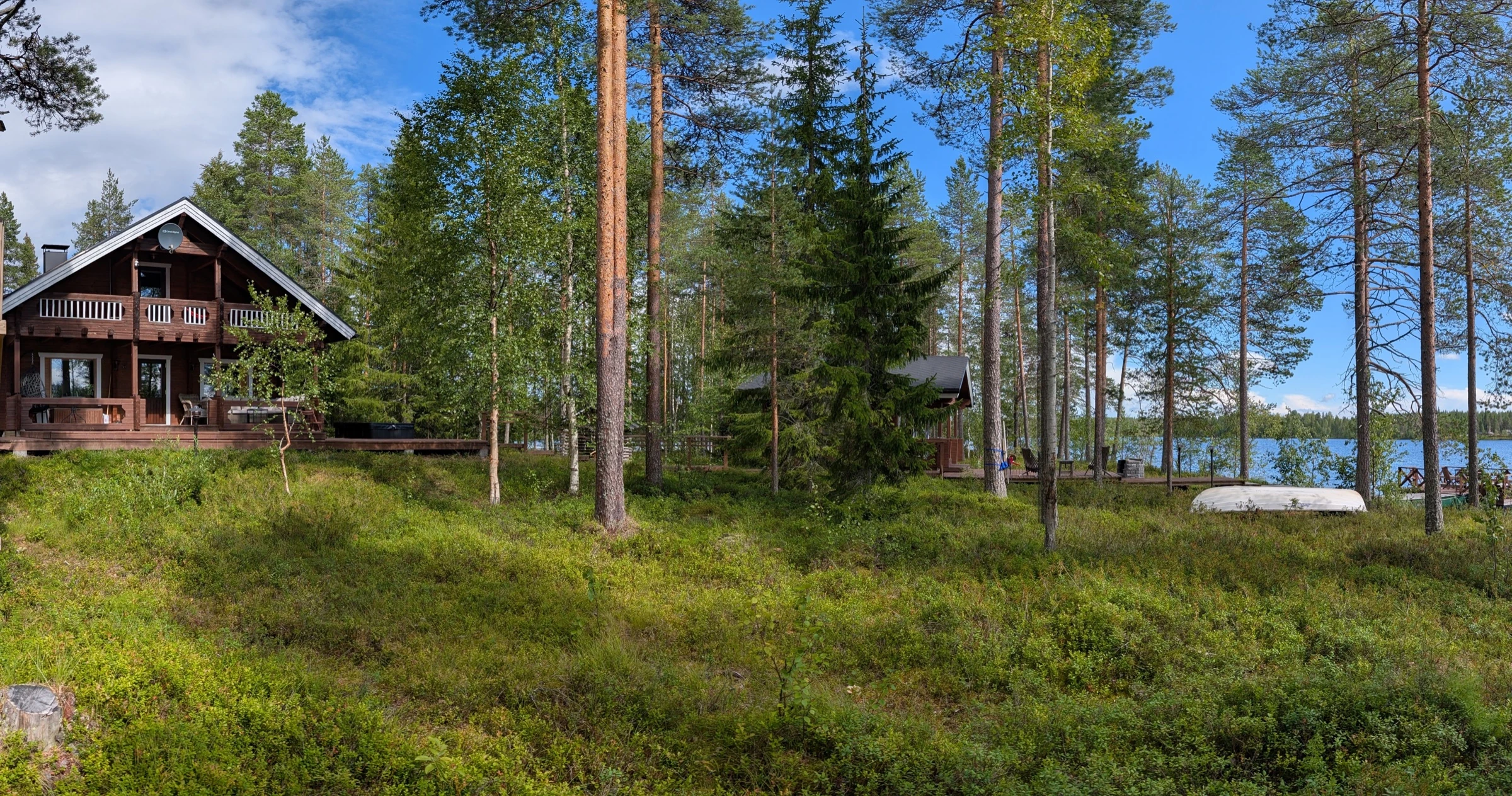
At Mökki Tikka beside Koirajärvi, you can check the sky from suitable ground near the house or shore. A tour bus is not necessary for every evening. Stay off ice whose safety has not been reliably assessed.
Forecasts and photographs
Check local cloud cover alongside geomagnetic observations. A camera can record more colour than the eye, so faint aurora may look pale in person. Stronger displays can be vivid without a camera.
Read our full viewing and photography guide or consult the Finnish Meteorological Institute.
The cabinExperiences & regionJournal