

In this blog
Warmth, colour and work by hand
Woven textiles tell part of Finland's everyday history. Before becoming decorative objects, many provided warmth, covered beds or used fabric that could not be wasted. In a northern home, their colours and textures also make the long indoor season more welcoming.
Räsymatto: the Finnish rag rug
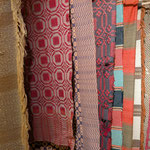
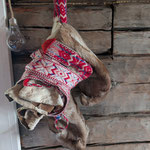
A räsymatto is woven from strips of cloth, traditionally using worn clothing and other textiles. Its stripes reflect the material available and the maker's choices. The result combines practical floor covering with an individual record of reuse.
Rag rugs became established in Finnish homes over time, particularly as domestic textiles became more available. A well-made rug can be durable, but the fabric and construction determine how it should be cleaned.
Ryijy: a deep-pile textile
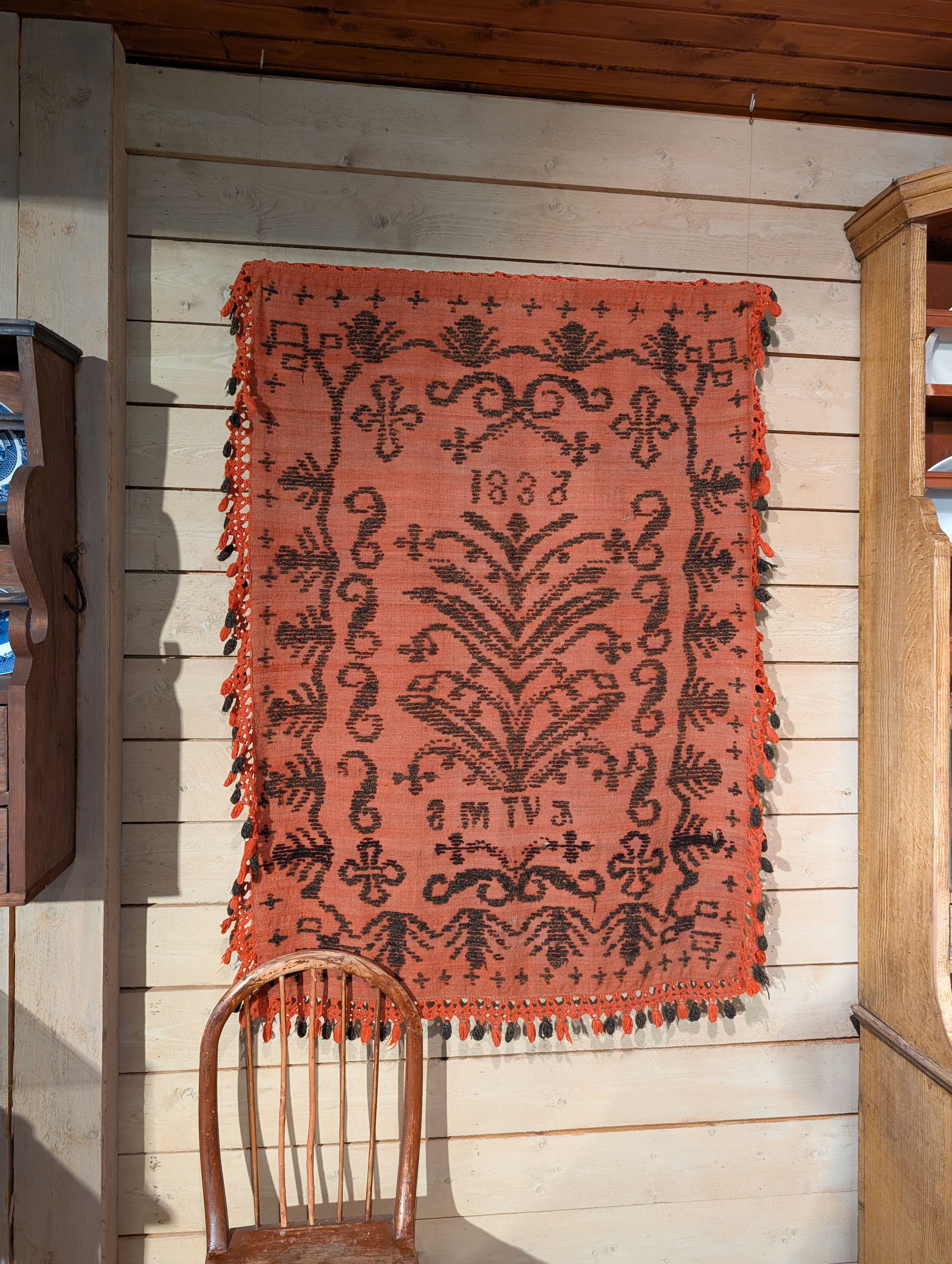
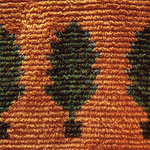
A ryijy uses knotted pile, commonly wool. Its history includes warm bed coverings before decorative wall hangings became prominent. Patterns can be geometric, floral or abstract, and later textile artists have explored a wide range of forms.
Ryijy textiles have also been associated with weddings, dowries and household milestones. Dates, initials and motifs can help connect an individual piece with a family story. They should not be read as a single universal code: traditions differ between places and periods.
Raanu: colour in a flat weave
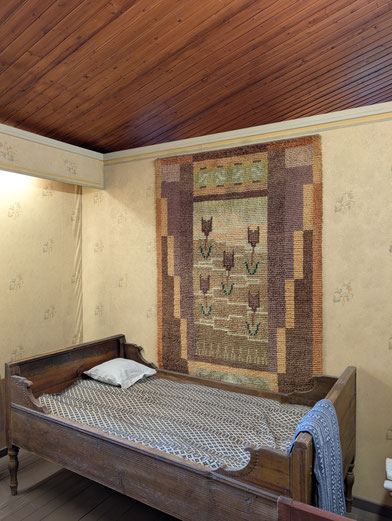
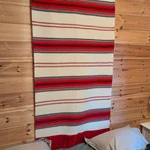
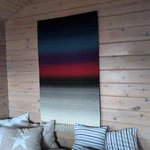
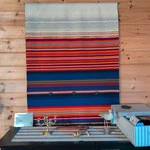
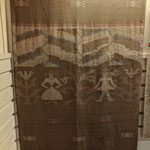
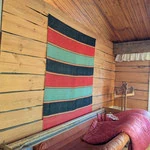
Raanu textiles are flat-woven and often recognised by bands of colour and geometric structure. Associated with northern homes and Lapland craft, they have served as covers as well as wall textiles. Their changing colours can bring to mind snow, forests, water or seasonal light.
Interest in raanu weaving continued through the twentieth century, including renewed production and design after the war. Workshop pieces and handmade family textiles may have different origins and values.
Finnish and Sámi traditions are not interchangeable
Northern craft includes distinct regional and Sámi traditions. Materials, techniques and meanings depend on the maker and cultural context. It is better to ask who made a piece and how it was used than to attach a general story about spiritual protection to every northern textile.
Museums, craft organisations and Sámi cultural institutions offer useful context. Authentic Sámi duodji should be presented as such by its maker, rather than used as a broad label for Lapland souvenirs.
Why handmade textiles can be expensive
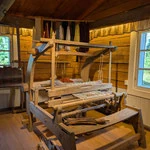
Planning, preparing materials, setting up a loom and weaving or knotting take time. Size, material, condition, design and provenance influence price. Historical examples in the original article ranged from several hundred euros for materials to several thousand for a large finished piece; those figures are examples, not current valuations.
For an older textile, condition and documentation matter. An attractive second-hand find is not automatically a rare collectible. Ask a knowledgeable dealer or textile specialist when value or restoration is important.
Caring for an old piece
Keep textiles away from strong direct sunlight and persistent damp. Dust gently using an appropriate method and support a heavy hanging properly. Follow the maker's cleaning instructions; delicate, historic or unknown materials deserve specialist advice before washing.
Do not wash rugs directly in a lake or river. Where a local rug-washing facility exists, check that it is an authorised facility with suitable wastewater handling. Traditional associations with water do not remove the need to protect the environment.
Bringing the story into a visit
Look for the difference between a flat raanu, a pile ryijy and a rag rug when visiting local homes, museums or craft shops. A smaller piece from a named maker can be a more meaningful souvenir than an anonymous decorative product.
Explore more stories about life and craft in Lapland and Mökki Tikka.
The cabinExperiences & regionJournal