

In this blog
Reindeer are part of a livelihood
Reindeer are a familiar symbol of Lapland, but for the families caring for them they are also work, income and responsibility. Animals may range through forests and wetlands while still belonging to a herder.
Southern Lapland has local herding traditions involving both established families and newer keepers. Do not assume that every farm near Ranua is Sámi-run or presents Sámi culture. Listen to how the hosts describe their own background.
Understanding the animal
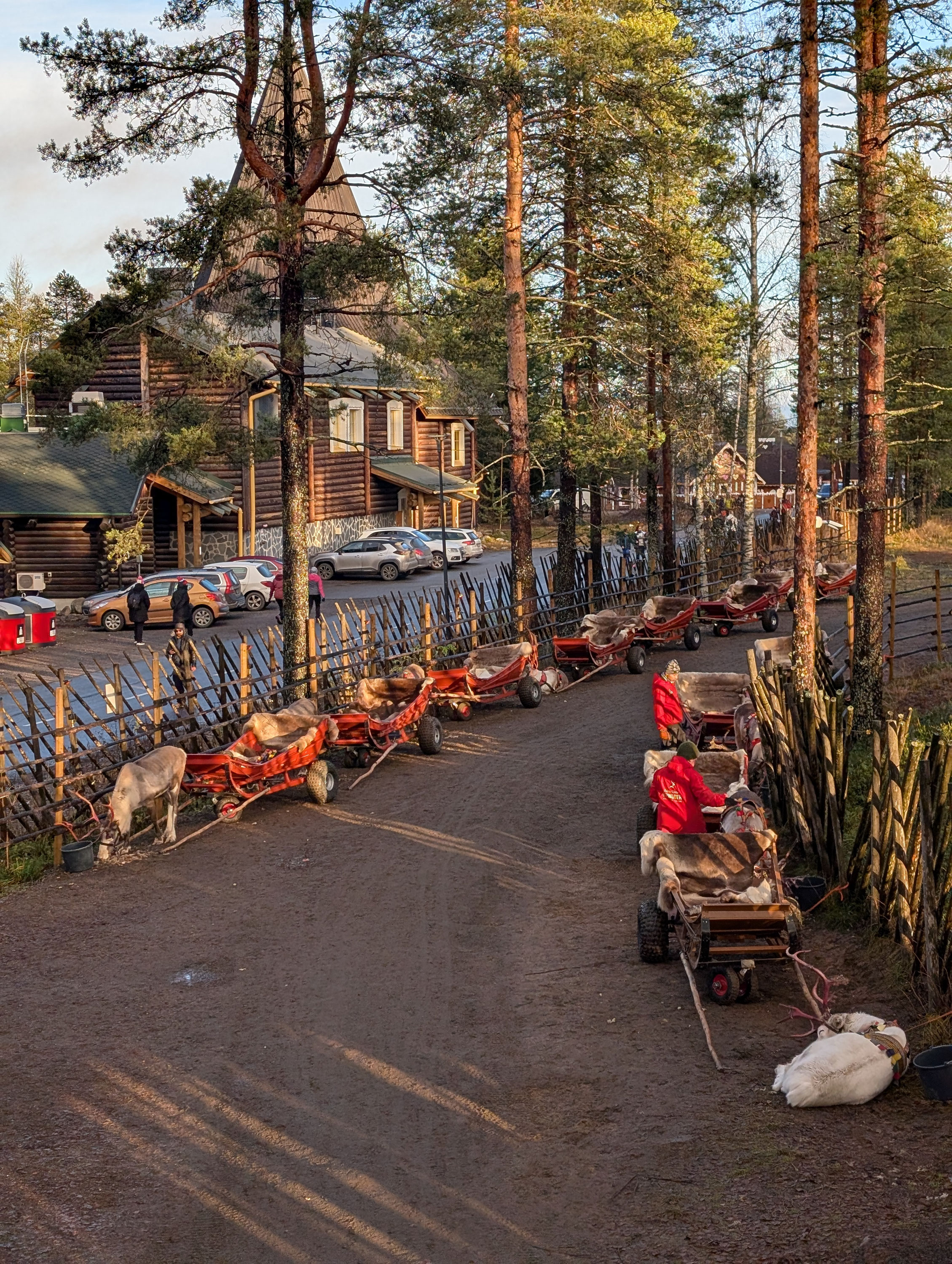
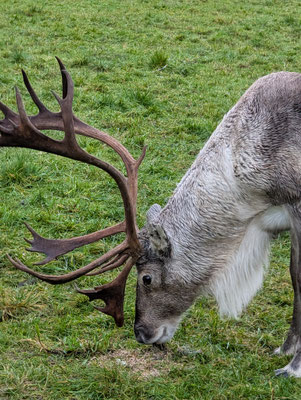
Reindeer are herd animals adapted to northern conditions. They move over wide areas and respond to disturbance. They have also historically been trained for transport in parts of the North. A tourist sled ride is not automatically wrong, but its quality depends on training, workload, handling, equipment and rest.
Questions worth asking
- How are working animals selected and trained?
- How much do they work, and how are breaks organised?
- What happens when weather or an animal's condition is unsuitable?
- How are food, space, veterinary care and seasonal grazing provided?
- Can the host explain the visit without promising that every animal is always stress-free?
Published welfare guidance can support good practice, but a label or small group size alone is not proof. Transparent answers and attentive handling matter.
Pikkuaho Reindeer Farm
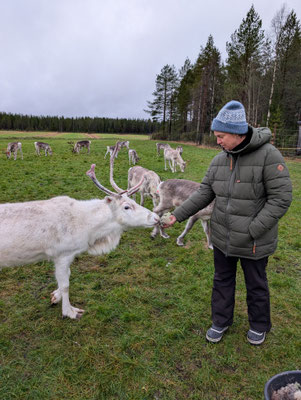
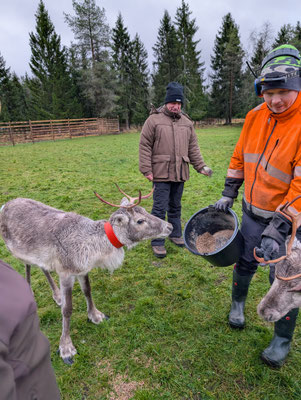
We feature Pikkuaho Reindeer Farm near Saariharju in the Ranua area. Arrange a visit in advance. The hosts can explain their animals, feeding and seasonal work, and tell you which activities are available on your dates.
Feeding should take place only under their direction. Use the provider's current description for group arrangements, duration and prices rather than assuming that every visit follows the same format.
Quiet alternatives
A farm visit, conversation with a keeper or guided observation can be worthwhile without a long sled programme. Watching a herd from a respectful distance may reveal more than repeatedly moving animals into a photograph.
Training for visitor activities
Training is gradual. An animal must become accustomed to people, handling, harness and the tasks expected of it. This takes time and should be adapted to the individual. Some working animals spend part of the season in accessible enclosures and use wider pasture at other times; practices differ between farms.
Work and rest
Repeated starts, deep snow, prolonged waiting in harness and noise can add demands. Responsible management monitors those demands and gives animals appropriate food, rest and space. Avoid treating all large businesses as poor or all small ones as ideal: judge actual practice.
Your behaviour matters
- Move calmly and follow the keeper's instructions.
- Keep a suitable distance unless invited closer.
- Do not shout, pursue animals or create a selfie situation.
- Do not offer your own food.
- Respect pasture, gates and private working areas.
Climate and changing conditions
Ice layers after thaw and refreezing can prevent access to ground food, creating extra work and feeding costs. Pasture use, roads and other pressures also affect husbandry. A visit can be a chance to understand these realities rather than seeing reindeer only as holiday scenery.
See the reindeer activity page and our introduction to the herding year.
The cabinExperiences & regionJournal