


In this blog
Start with the experience you want
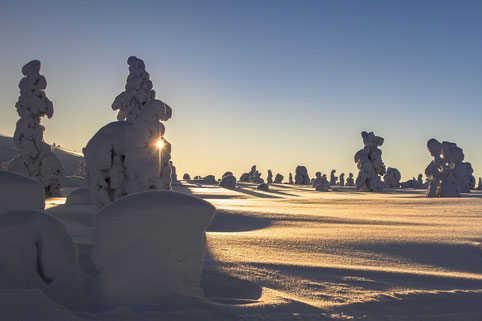
Lapland changes completely through the year. Winter offers snowy landscapes and long dark evenings; summer brings open lakes and bright nights; autumn offers colour and the return of darkness. Choose dates for your interests rather than expecting every experience in one visit.
When to travel
Winter activities depend on sufficient snow and safe conditions. December has short days and a festive atmosphere; late winter offers more daylight for outings. In summer, canoeing, fishing, walks and birdwatching take the place of snow activities. Ranua lies south of the Arctic Circle and has bright summer nights rather than true midnight sun.
Northern lights require darkness and a clear sky, usually making late summer to early spring the relevant viewing season. No month guarantees them.
Flights, trains and arrival
Rovaniemi is a practical airport for the Ranua area. Kittilä, Ivalo, Kuusamo and Kemi serve different parts of the north and may involve considerably longer onward travel. Compare the full route to your accommodation, not just the airfare.
International direct flights are often seasonal, so check current schedules rather than relying on an old list of departure cities. An overnight train to Rovaniemi, sometimes described as the Santa Claus Express, offers another way north from southern Finland.
For a rural stay, reserve a rental car or transfer in advance. Driving times vary with roads and conditions. Allow extra time in winter and confirm the exact meeting point for transfers.
Clothing and practical packing
Use layers: a suitable base layer, insulating wool or fleece and an outer layer that protects against weather. Warm boots with enough room, mittens, a hat and a neck warmer are essential in cold weather. Standing still for aurora watching needs different insulation from an active walk.
Bring a headlamp, chargers, a power bank, personal medication and suitable travel documents. Ask activity providers whether thermal suits and boots are included. Summer also needs rain protection and insect precautions.
A more detailed packing checklist
For a winter week, consider two or three base-layer sets, two warm mid-layers, an insulated jacket, weather protection, three or four pairs of wool socks, a spare hat and liner gloves with mittens. Add sunglasses for bright snow, lip care, a thermos and spare dry clothing for children. Adjust quantities to washing facilities and the activities planned.
Where to stay
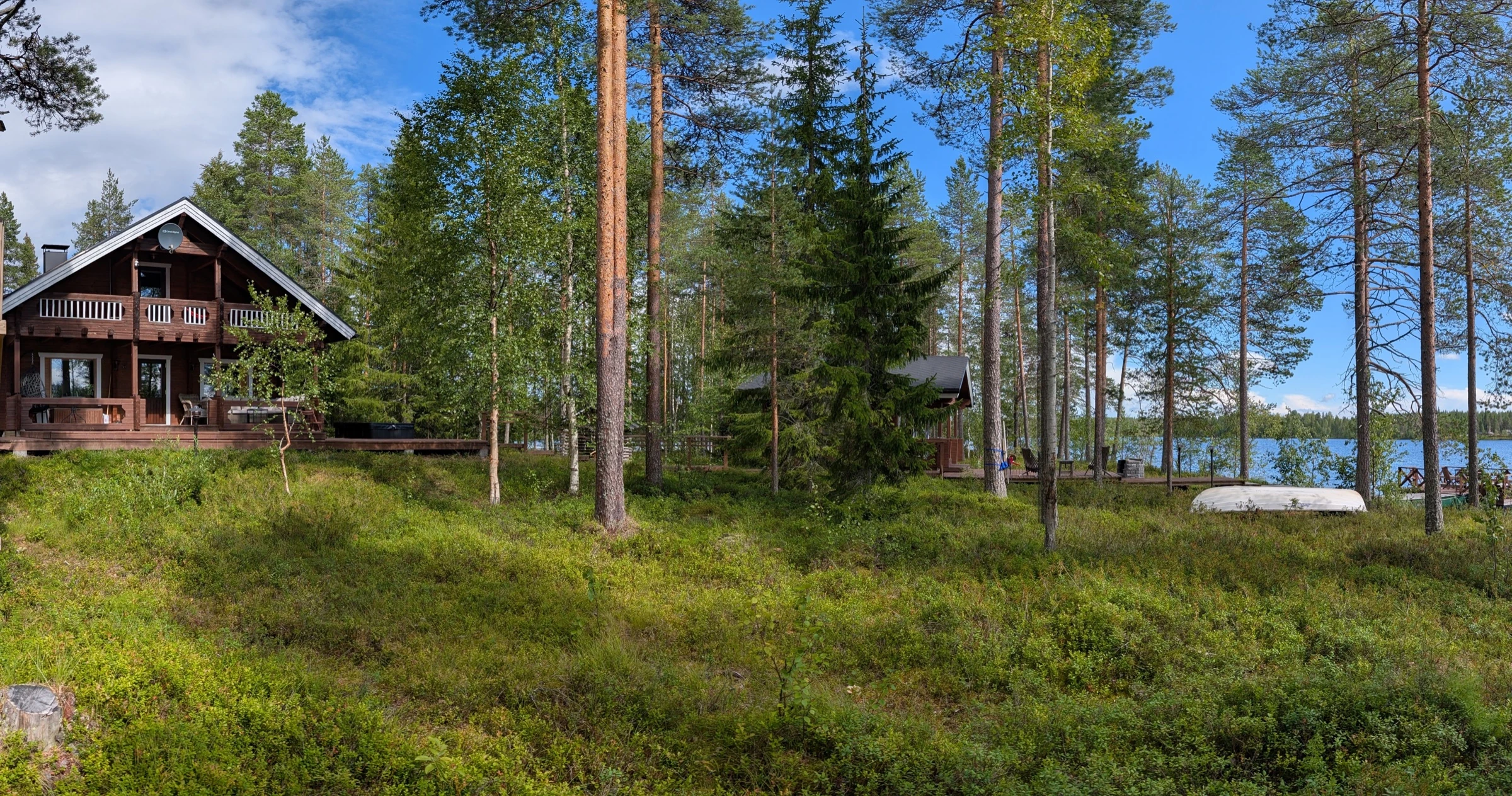
A hotel can provide convenient services, while a cottage offers privacy, a kitchen and more freedom over daily routines. At Mökki Tikka, the lake and forest are part of the stay. Check current occupancy and booking conditions: direct bookings are for up to ten guests in summer and eight in winter, normally for at least three nights.
Activities to consider
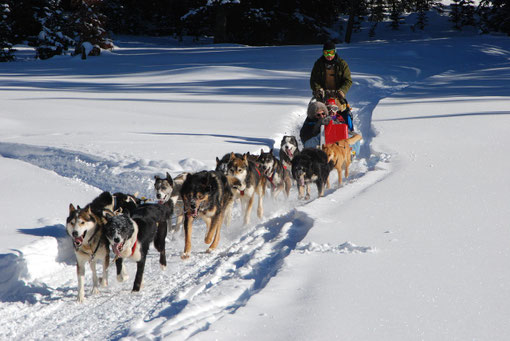
- Husky excursions with an appropriate local provider.
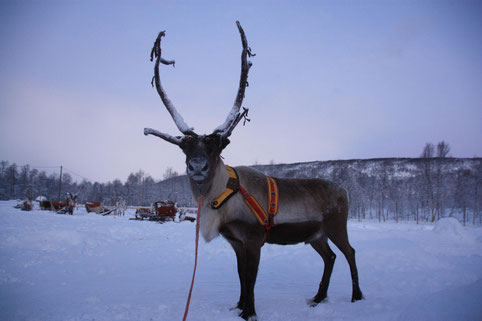
- A visit or seasonal sleigh experience at Pikkuaho Reindeer Farm.
- Guided snowmobiling and ice fishing when conditions permit.
- Ranua Wildlife Park.
- Santa Claus Village and Arktikum in Rovaniemi.
- Independent walks, birdwatching and quiet time at the lake.
Historic examples in this guide included husky outings at €150–200, reindeer activities at €80–120, snowmobiling at €120–180, aurora outings at €90–120, ice fishing at €60–100 and wildlife-park admission around €25. These are older planning figures, not current offers. Use the current experience pages and provider prices for booking.
A flexible six-day outline
- Arrival: collect transport, shop and settle into the house.
- Husky outing: leave time to warm up and relax afterwards.
- Snowmobile day: choose a guided activity suited to the group.
- Ranua Wildlife Park: combine the visit with an unhurried afternoon.
- Rovaniemi: consider Santa Claus Village or Arktikum without packing in too much.
- Fishing or a quiet nature day: choose according to the season and conditions.
In summer, substitute open-water fishing, canoeing or walking for snow activities. Reserve weather-sensitive plans flexibly and keep room for rest.
Other ways to spend a day
Cross-country skiing, snowshoeing, birdwatching and local food add variety. Ask about catering, junior snowmobile activities or vehicle rental when appropriate. Confirm skills, licences, age requirements and equipment; these are not automatically suitable for every visitor. Glass-roof accommodation or photography tours are additional options, without any promise of aurora.
Budgeting honestly
The original guide used return-flight examples of €250–500, rising to about €700 in peak periods; cottage examples of €150–250 per night and premium accommodation at €400–800; groceries at €60–100 per person per week; restaurant meals at €20–40, with special meals at €60–100; and rental cars at €60–80 per day. Fuel was illustrated at about €2 per litre.
All are historical examples. Current prices, occupancy, baggage, insurance, transfers and activity inclusions can change the total substantially. Obtain real quotations for your dates, especially around Christmas and school holidays.
Nature and safety
Respect animals, stay away from nests and follow provider instructions. Winter clothing does not remove the risks of cold or unsafe ice. Do not venture onto a lake without reliable local advice. Follow fire restrictions and the rules of protected areas.
Fishing permissions depend on age, method and water. The national fisheries management fee does not automatically permit multiple rods, nets or fishing in every special water. Check the exact location before starting.
Frequently asked questions
How often will we see aurora? No fixed weekly frequency can be promised. Do we need a car? It is often useful around rural Ranua, but planned transfers can work. Is Lapland suitable for children? Yes, when activities and exposure are chosen for their age and the conditions.
Can we plan without tours? Many quiet outdoor experiences are independent. Specialist activities need the right skills, equipment and often a professional guide. Is the tap water drinkable? It generally is; follow any local instruction.
See the accommodation, the packing list and contact us about your plans.
Everyday practicalities
English is widely used in tourism. Shop in Ranua before continuing to a remote cottage and check opening hours. Mobile coverage can weaken in forest areas; download essential maps, directions and booking details in advance. Ask us for advice suited to your group rather than trying to fit every activity into one week.
The cabinExperiences & regionJournal