


In this blog
Sled dogs and northern history
Dog-powered transport has a long history in several Arctic cultures. That does not make modern husky tourism a traditional Sámi practice. Finnish Lapland's commercial sled-dog outings should be described in their own context, without borrowing an Indigenous identity that an operator does not have.
Siberian huskies and Alaskan huskies are associated with endurance and team work. The dogs' individual fitness, training and care matter more than a romantic story about a breed.
Why people enjoy a husky outing
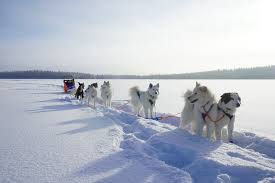
Travelling on snow with a dog team can feel very different from a motorised excursion. Some visitors enjoy the quiet movement; others are most interested in learning about the dogs. Certain tours allow guests to drive after instruction, while others are passenger experiences.
No engine during the sled ride does not make the entire activity impact-free. Transport, feeding, buildings and animal care are also part of running a kennel.
Animal welfare deserves specific questions
Group size and a friendly presentation alone do not prove good welfare. Ask how the dogs' work, rest, feeding, housing and veterinary care are managed. A responsible provider should be able to explain how decisions change with weather, temperature and individual fitness.
- Appropriate shelter, clean surroundings and suitable social contact.
- Food and water matched to the dogs' needs.
- Veterinary care and attention to illness or injury.
- Rest and a manageable workload.
- Care through the quieter seasons and a plan for older or retired dogs.
Potential concerns
Excessive work, unsuitable housing, inadequate care or irresponsible breeding are reasons for concern. A short visit does not reveal every aspect of a kennel. Ask clear questions and avoid treating either a large operation or a small family farm as automatically good or bad.
Who runs the farm?
Operators in Lapland come from different countries and backgrounds. Nationality does not establish competence or welfare standards. Evaluate experience, care practices and transparent communication rather than assuming foreign ownership means fewer rules or a more authentic experience.
The cost of maintaining a team
Food, veterinary care, harnesses, sleds, buildings, maintenance, insurance and staff time all contribute to operating costs. These vary greatly with team size, ownership, accounting period and what is included.
The original article presented an annual ten-dog estimate of €30,000–40,000, but its separate categories were not a verified industry benchmark. It should not be used to judge every operator's costs or to justify a particular tour price. A current quotation with clear inclusions is more useful for a guest.
Before you book
- How long is the actual sled ride, and how much time is spent on transfers or preparation?
- Do guests drive, ride as passengers or alternate?
- What clothing is provided?
- What are the age, mobility and other participation requirements?
- How are the dogs' workloads adjusted to conditions?
- What happens if snow or weather makes the outing unsuitable?
Prices and season
The older guide mentioned short outings from €100 and half-day experiences around €180–300, with longer journeys costing more. These are historical examples, not current offers. Ask the provider for the actual duration, inclusions and total price.
Winter sledding depends on sufficient snow and suitable temperatures. December to March is a general planning period, not a promise that every outing runs throughout those months.
Frequently asked questions
Can I drive? Sometimes, if the operator offers it and you meet the requirements; follow the briefing. Is every husky tour animal-friendly? No blanket answer is possible. Look at how the dogs are cared for and how the outing is organised.
Is it suitable for children? Confirm the provider's age limits, seating arrangements and protection from cold. Should I book early? Popular dates can fill up, but review the conditions before paying.
The cabinExperiences & regionJournal