


In this blog
Which insects might you meet?
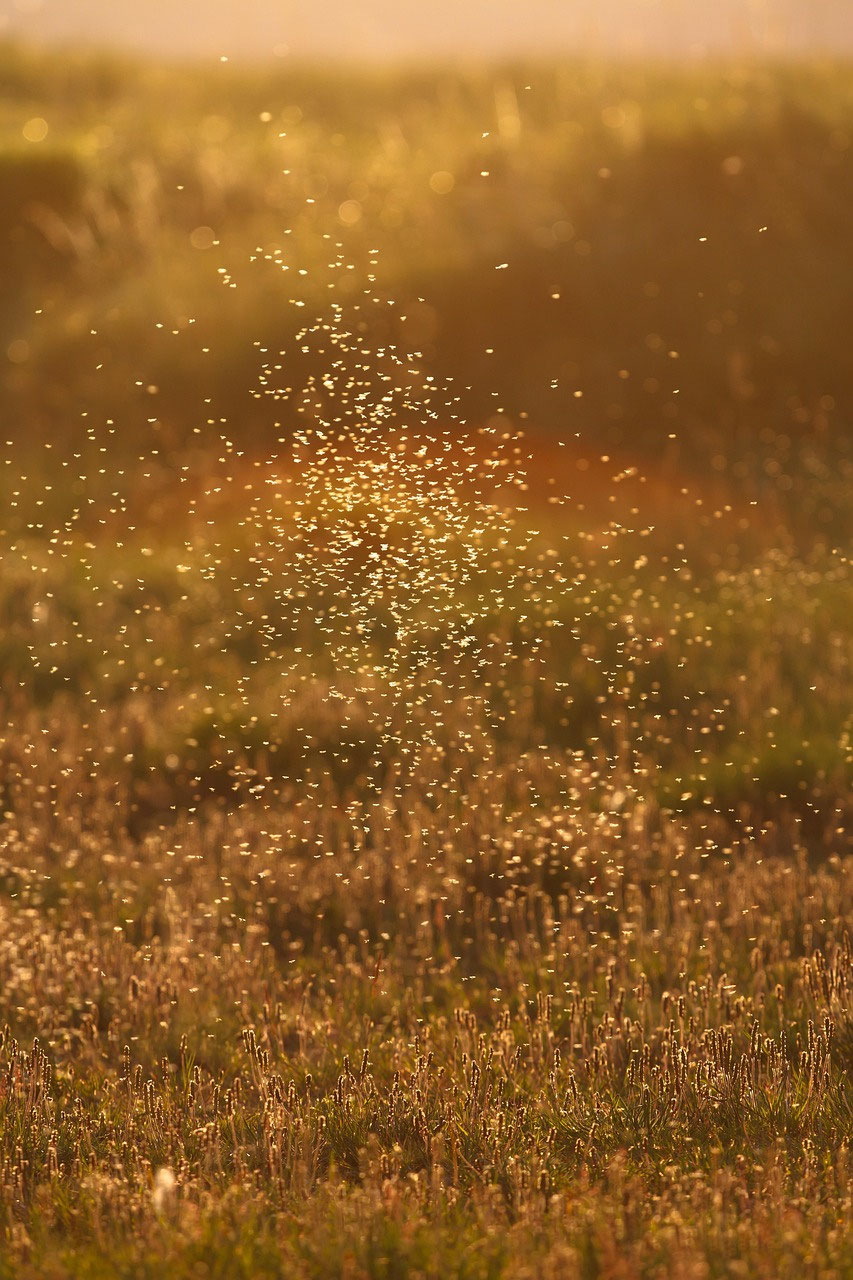
- Mosquitoes: often numerous around Midsummer and in July, especially in moist, sheltered places.
- Blackflies: small biting flies associated with flowing water; bites can itch and bleed.
- Biting midges: tiny insects that may pass through ordinary mosquito mesh.
- Horseflies and deer flies: larger daytime insects whose bites can be painful.
- Deer keds: found especially in forests in late summer and autumn; they can crawl into hair and clothing.
When are there most mosquitoes?
Early and midsummer can bring large numbers, particularly around bogs, forest edges and still bays. Windy, open locations may be easier than sheltered places. Numbers often decline later in summer as nights cool, but there is no guaranteed insect-free date.
A realistic view of health risks
Most bites cause local irritation, but insects are not universally harmless. Mosquito-borne infections such as Pogosta disease and tularemia occur in Finland. Allergic reactions and infected bites also need attention. Avoid statements that all illnesses are mild or that preparation removes every risk.
Ask a healthcare professional about specific concerns, particularly for children or someone with a history of strong reactions. Finland's Institute for Health and Welfare provides public-health information.
Insects are part of the ecosystem
Mosquito larvae and adults provide food for other animals, and some insects also contribute to pollination. For a holiday, focus on protecting yourself instead of trying to eliminate insects from the surrounding landscape.
Clothing and nets first
Choose loose, closely woven long clothing, closed shoes and a head covering when needed. Tuck trouser legs into socks where appropriate. A head net is useful when stopping in an insect-heavy area. Fine mesh is needed for very small midges.
Keep window screens intact and avoid leaving doors open unnecessarily. A fan may make a seating area less attractive to mosquitoes, but no method makes a whole house or garden automatically insect-free.
Repellents and treated clothing
Use products authorised in Finland and follow their label, including age restrictions and application instructions. Common repellent ingredients include DEET and icaridin, but suitability depends on the particular product. Do not assume an essential oil is reliable protection or suitable for a child.
For treated clothing, follow its instructions and environmental precautions. Do not apply a clothing-treatment product directly to skin. See Tukes guidance on repellents.
Thermacell and outdoor products
Thermacell products must be used only in authorised settings according to the Finnish label. They are intended for specified outdoor areas around buildings, such as patios and yards, rather than unrestricted use in forests or by boat. Keep environmental and water-related restrictions in mind.
Ask us whether a device is available for your stay and which compatible consumables you need. Coils and other smoke-producing products also require label compliance and suitable outdoor conditions. They are not a universal solution for every biting insect.
Smoke and home remedies
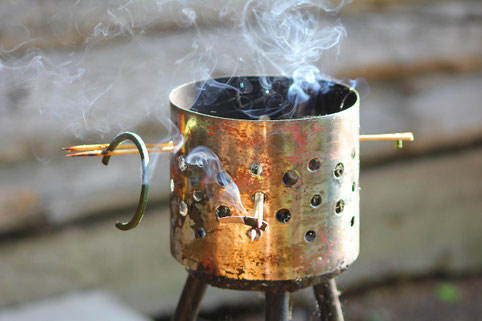
Do not rely on smouldering coffee grounds, essential oils or a campfire as your main protection. Smoke can irritate people and fire rules still apply. A permitted fire is not a reason to ignore a wildfire warning or burn unsuitable material.
Horseflies, midges and deer keds
Physical protection is valuable when repellents provide incomplete protection. Keep a fine net available for midges and inspect clothing and hair after a forest walk if deer keds are present. Bites that become unusually painful, swollen or inflamed deserve attention rather than a blanket reassurance.
Children and sensitive skin
Prioritise suitable clothing and nets. Use only age-appropriate products and follow their instructions carefully. A pharmacist can advise on suitable bite treatments; do not copy an adult medication or application routine for a child.
Basic care after a bite
- Wash the area gently and avoid scratching.
- Use a cool compress with a protective layer if helpful.
- Ask a pharmacist about suitable itch relief or antihistamines when needed, following the product instructions.
- Seek medical advice for fever, spreading redness, marked swelling, infected wounds or persistent symptoms.
Breathing difficulty, collapse or other signs of a severe allergic reaction require urgent help: call 112. Heat-treatment devices should only be used as instructed and are not suitable for every person or situation.
A practical packing list
- Long, light clothing and closed shoes.
- A head net and finer mesh where midges are expected.
- An authorised, age-appropriate repellent.
- Suitable basic first-aid items and any prescribed medication.
- Information about how to use any supplied outdoor repellent device correctly.
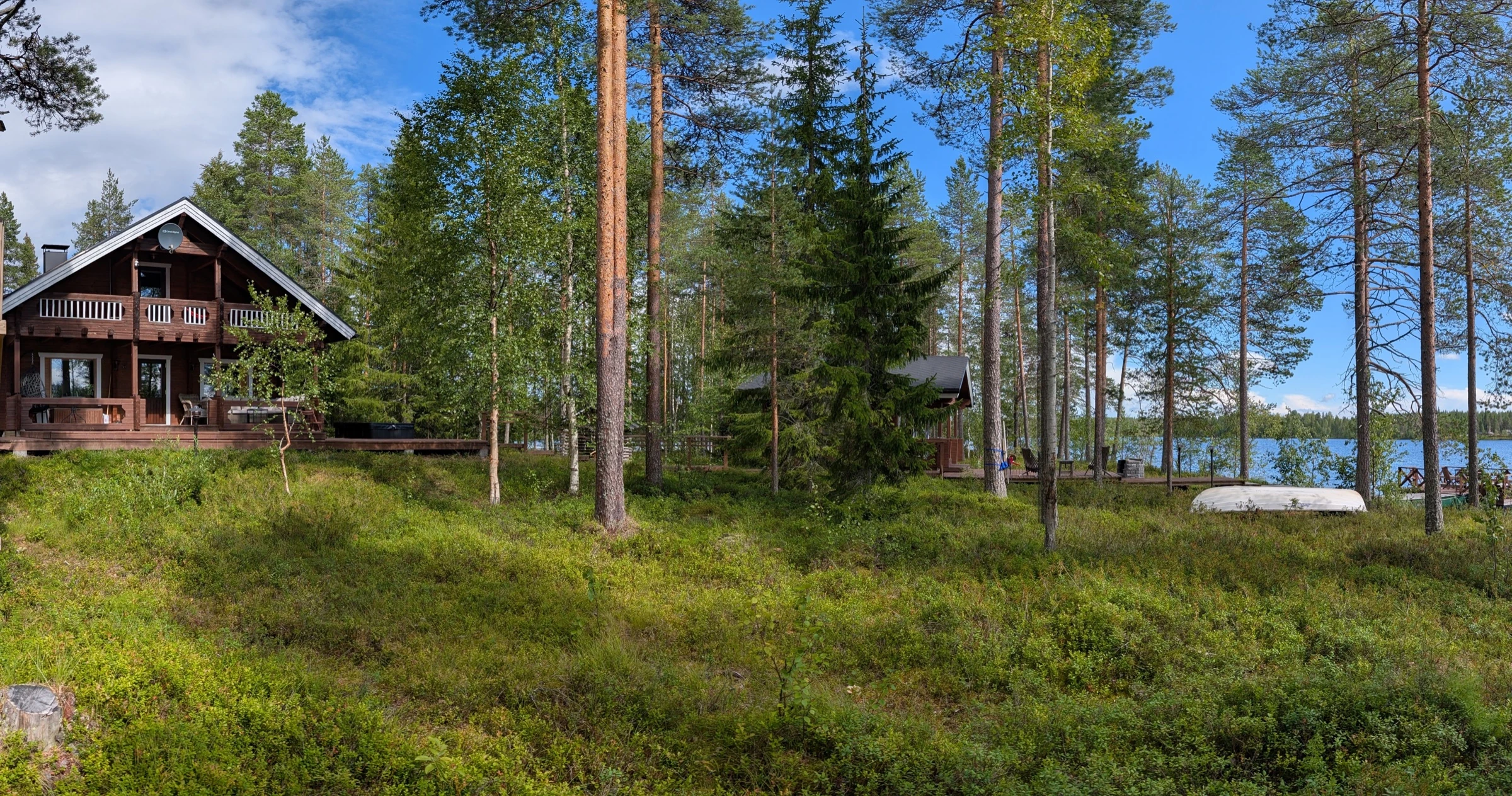
Summer in Lapland can still offer rewarding walks, fishing and time at the lake. Plan around the conditions, use sensible protection and keep expectations realistic.
The cabinExperiences & regionJournal