


In this blog
There is more than one good season
Each month changes the light, sounds and possibilities in Lapland. This guide focuses on the Ranua area. Conditions vary across the much larger region and between years; wildlife appearances and safe access cannot be fixed to a calendar.
January: short days and winter quiet
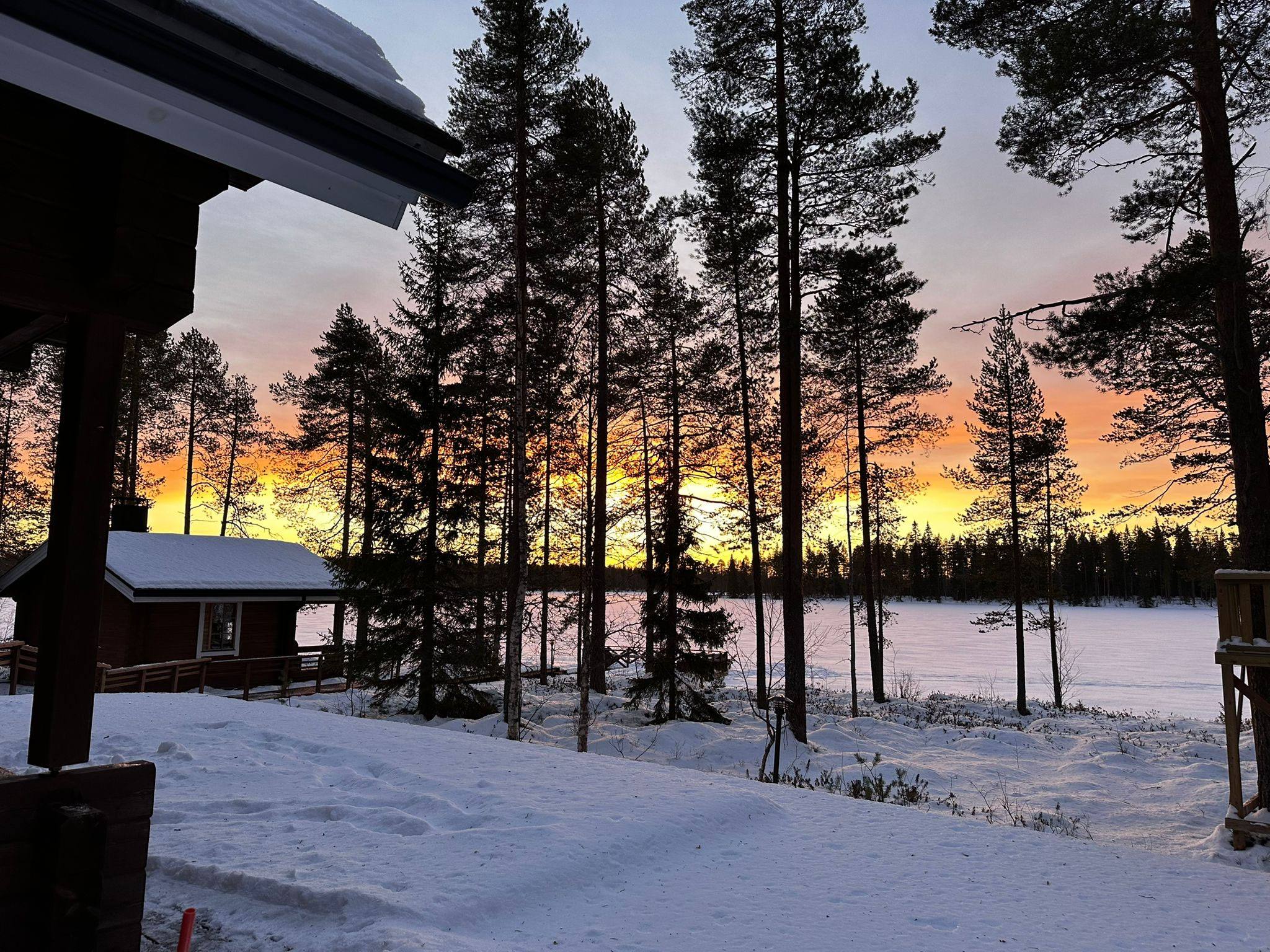
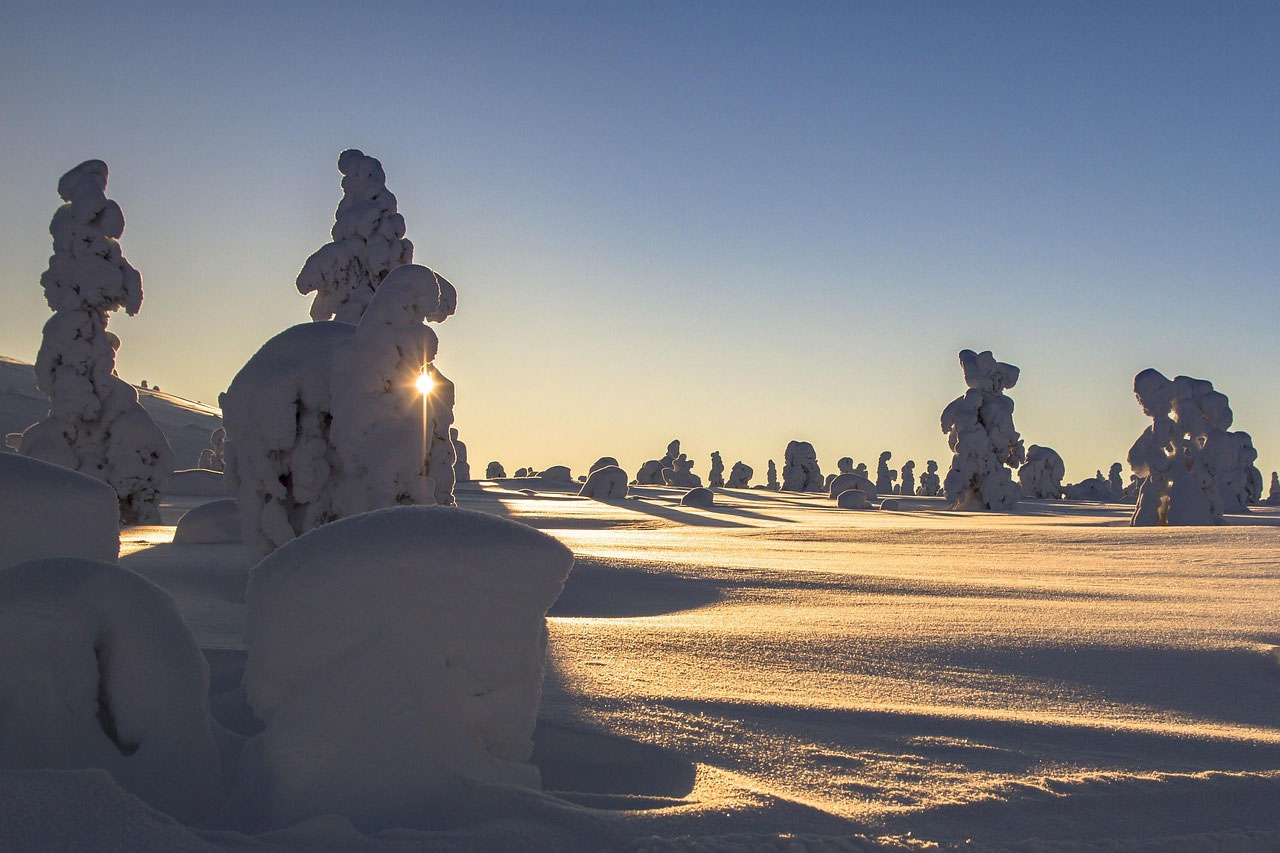
Low light can colour snow blue, pink or lavender. Ranua lies south of the Arctic Circle, so the sun does not remain below the horizon throughout the day. Short walks, animal tracks, family meals and permitted campfire breaks can suit the season. Ice fishing depends on confirmed safe conditions.
February: a little more light
Snowshoeing and cross-country skiing become appealing as days lengthen. Tracks may reveal animals that remain unseen. Some owls begin seasonal calling, but finding them requires knowledge and respect for sensitive sites.
March: winter with longer days
March often combines established snow with substantially more daylight. It can suit outdoor activities and photography, with dark evenings still offering aurora possibilities. Fishing and wildlife activity depend on the water, species and weather.
April: a changing landscape
Thaw begins at different times in different places. Open water and returning birds may appear while snow remains elsewhere. Avoid assuming that winter ice routes are still safe or that every summer path is already accessible.
May: returning life
Longer days bring leaf growth, migrating birds and changing lakeshores. Birdwatching can be rewarding, while breeding animals need distance. Check fishing closures and access during snowmelt.
June: bright nights
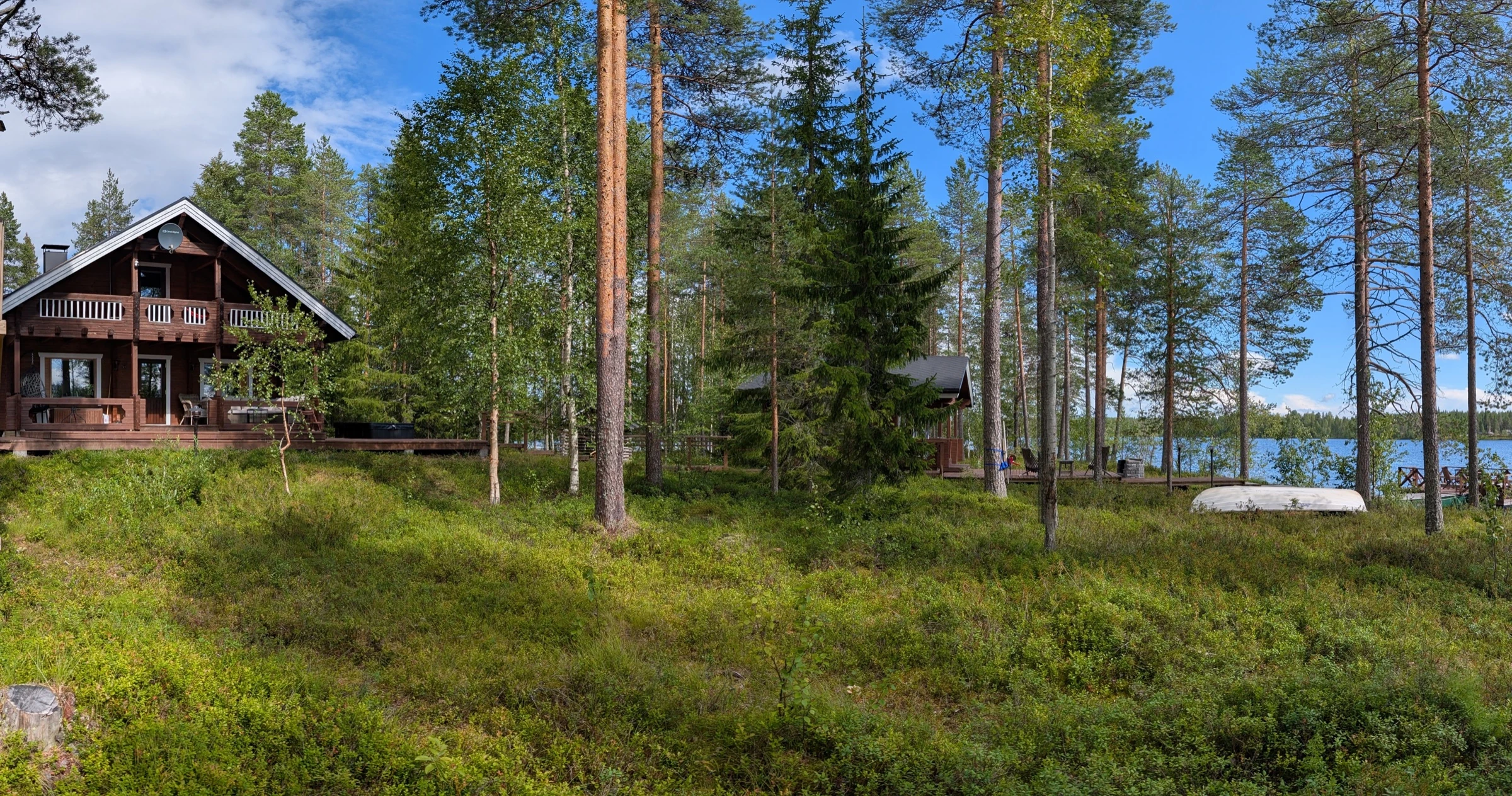
Summer light gives long periods outdoors. Birdsong and breeding activity are prominent. Swimming temperatures vary, and mosquitoes may be plentiful rather than reliably limited. Boat and shore fishing are possibilities where permitted.
July: summer by the lake
Warm spells, very light evenings and developing berry crops shape the month. Families can enjoy the shore with supervision, and birdwatchers may notice young birds. Adjust fishing plans to water temperature and species rather than assuming a fixed daily feeding schedule.
August: late-summer harvest
Bilberries and some mushrooms may be ready, depending on conditions. Nights darken, migration develops and cooler evenings often reduce insects. It is a useful month for combining walks, food and quiet evenings.
September: ruska colours
Birch leaves and wetland plants change colour. Berry and mushroom availability varies. Migrating birds add interest, and darker skies bring aurora opportunities. Some fish have breeding closures, so check rules before an autumn outing.
October: quieter forests
Mist, frost and shorter days give the landscape a different mood. Late migrants may remain, but freeze-up can interrupt open-water activities. Do not assume the first ice will support a person.
November: the threshold of winter
Snow may begin to stay and daylight becomes brief. This transition can be especially quiet, but it is less predictable for activities that need either completely open water or reliable winter conditions.
December: a small pool of daylight
Candles, sauna and snowy surroundings create a reflective atmosphere. Resident birds still bring life to the forest. Snow and ice activities operate only when conditions permit, while northern lights still depend on clear darkness and solar activity.
Choose what matters most
Tell us whether your priority is fishing, birds, snow activities, autumn colour or simply time by the lake. We can discuss suitable dates, while leaving room for the weather to be itself.
The cabinExperiences & regionJournal