

In this blog
More detail than four seasons
Spring, summer, autumn and winter do not capture every important change in the North. The idea of eight seasons, associated with Sámi ways of understanding the year, draws attention to transitions in light, snow, water, plants and animal life. Timing varies by place and conditions, rather than following eight equal calendar blocks.
Winter
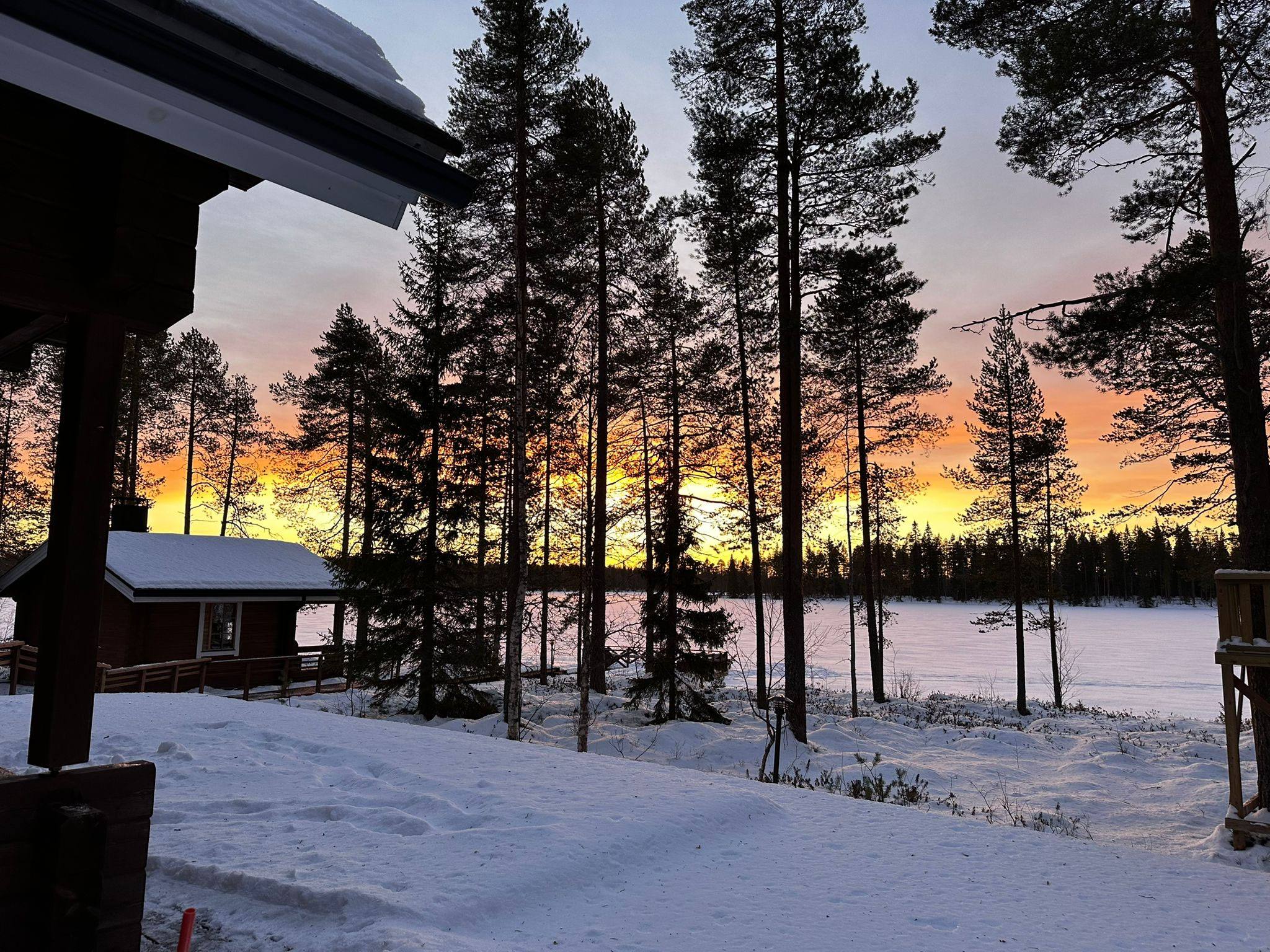
The cold, dark part of the year brings a slower rhythm and practical work indoors. The polar night occurs farther north; Ranua, south of the Arctic Circle, still has some daylight around midwinter.
Spring-winter
Days lengthen while snow remains. Light returns strongly across the landscape, making this a distinct experience from the darkest winter weeks.
Spring
Snowmelt and thaw change rivers, lakes and paths. Migrating birds return and the landscape becomes louder and more active. Exact dates differ greatly between southern Lapland and the far north.
Early summer
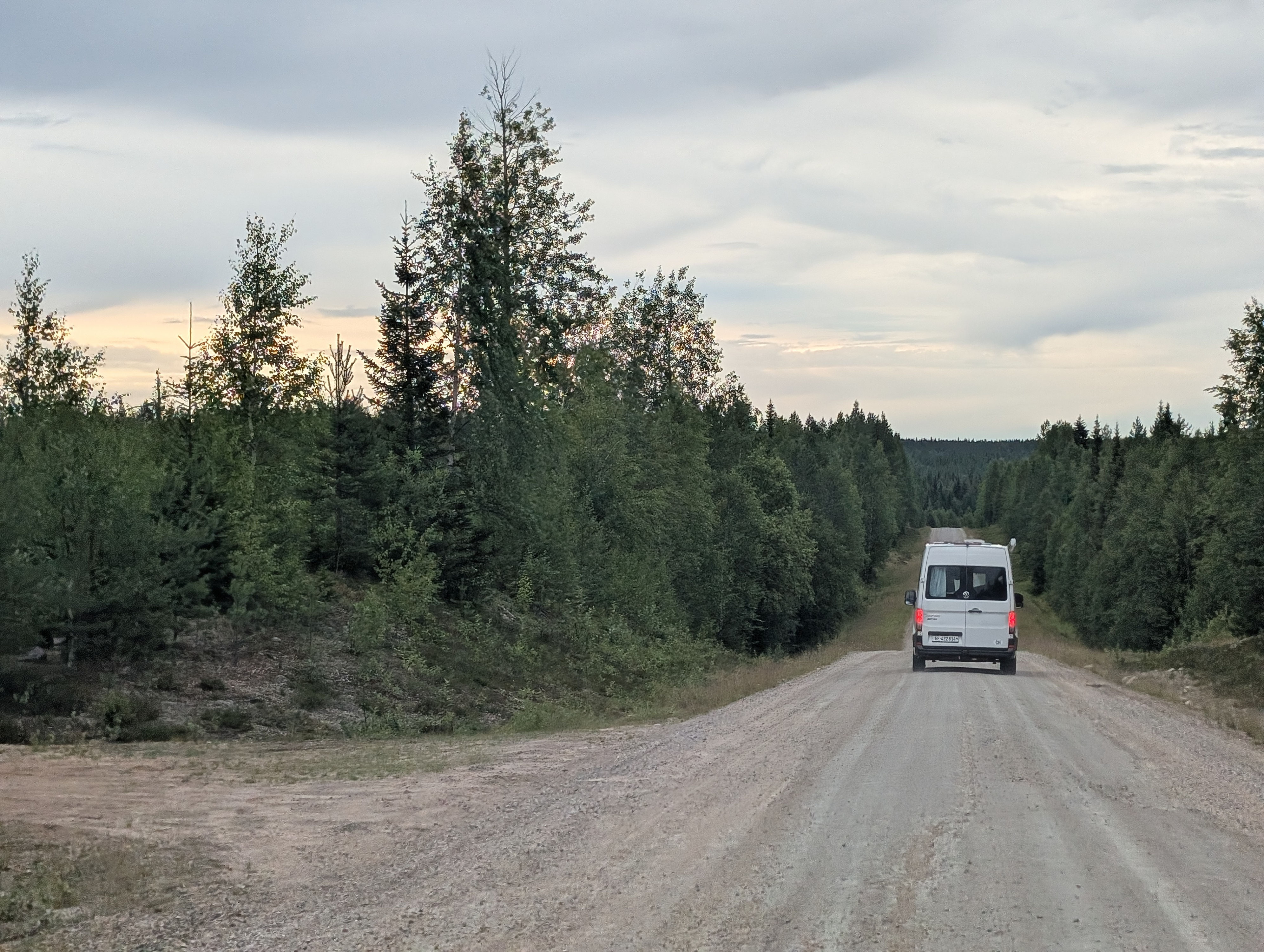
New growth accelerates and the nights become very light. Insects emerge and many animals are raising young. It is a sensitive time for wildlife, not simply the start of unlimited outdoor access.
Summer
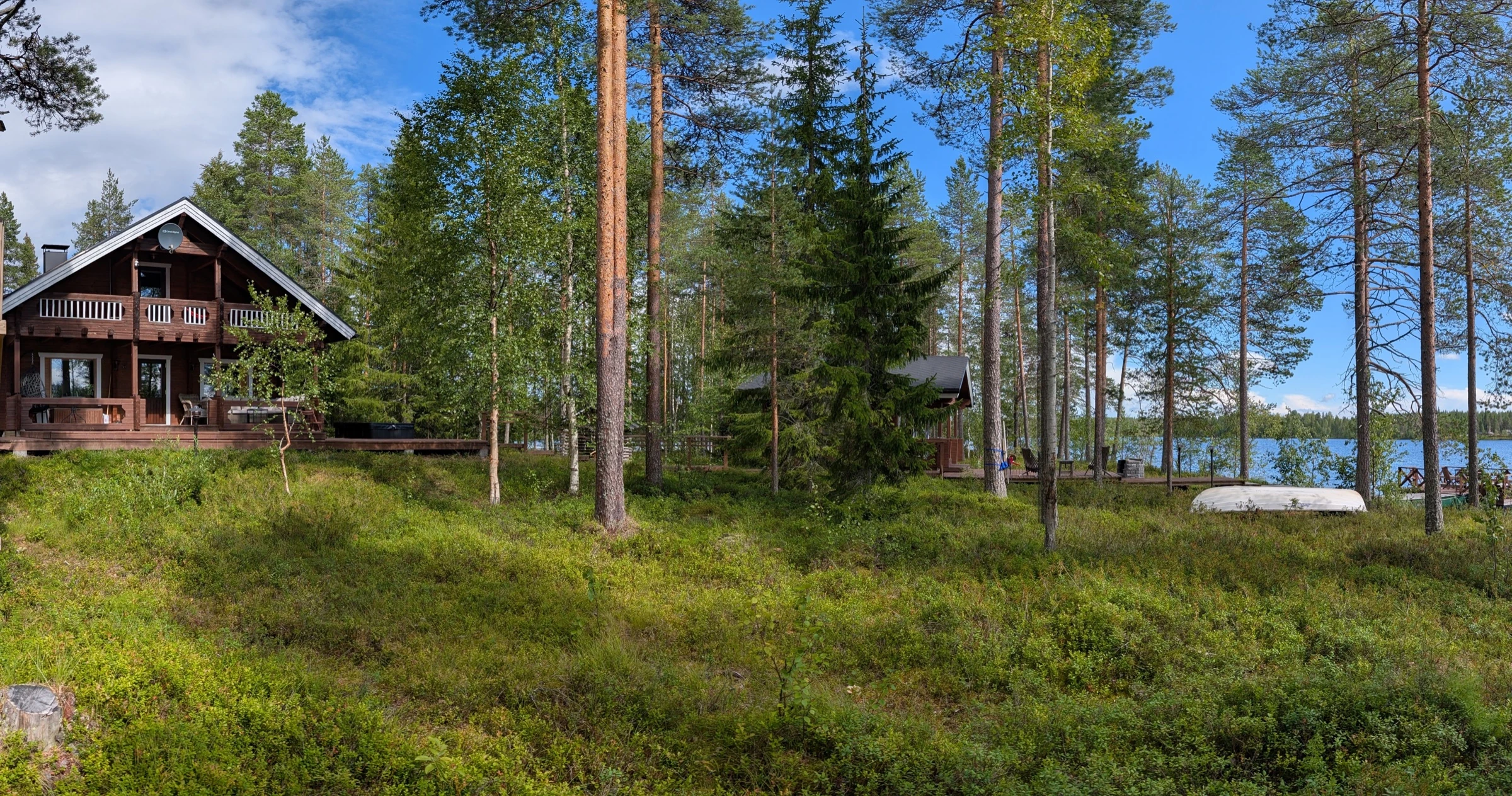
Warmth and long days support fishing, growth and the beginning of some berry harvests. People make use of the short productive season while conditions allow.
Late summer
Berries and mushrooms become more prominent, nights begin to darken and there is a gradual shift towards gathering and preparation.
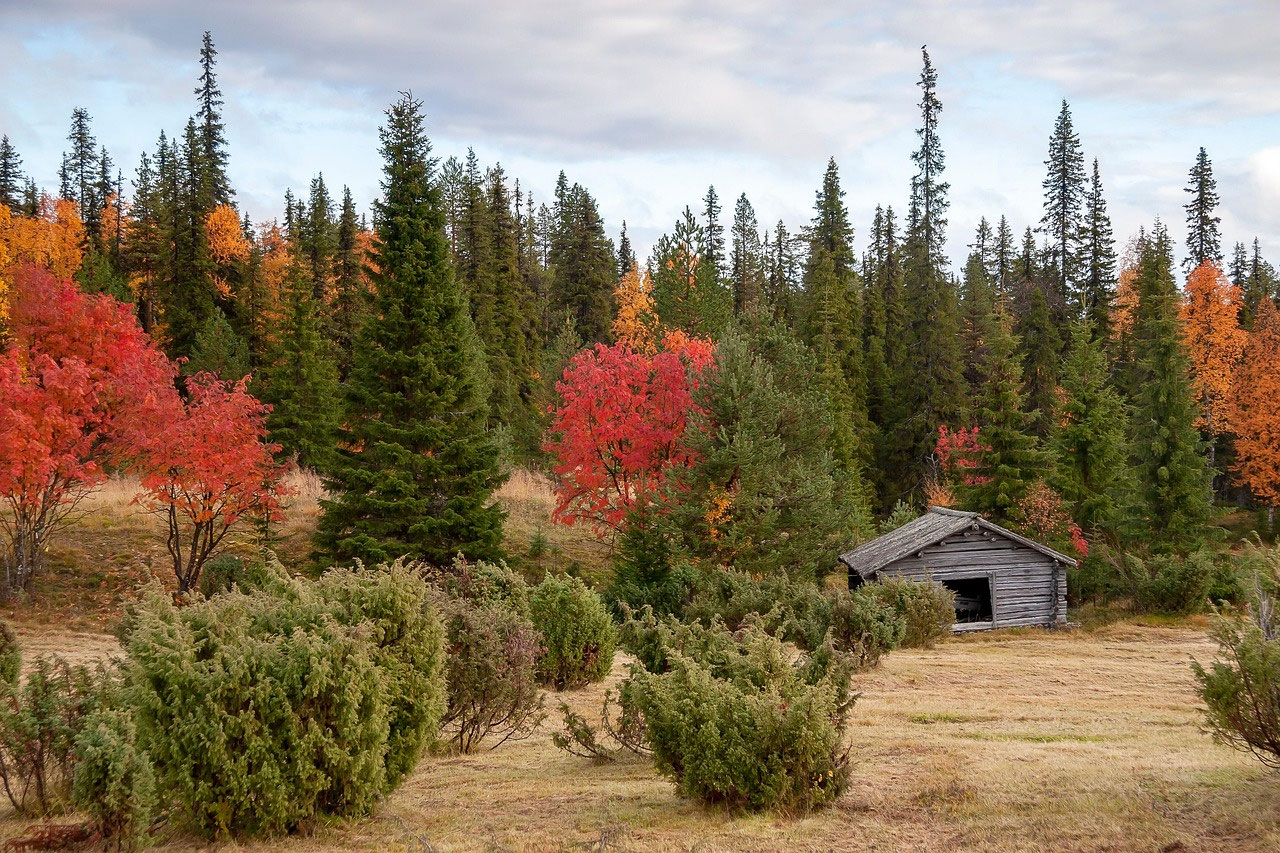
Autumn
Changing leaf colours, migration and shorter days mark another transition. Reindeer husbandry and other local livelihoods follow their own seasonal work, which should not be reduced to a tourist timetable.
Early winter
Freeze-up and snow gradually reshape the landscape. Access can be uncertain during the transition before stable winter conditions arrive.
Learning to pay attention
The useful lesson for a visitor is to notice smaller changes: the sound of melting snow, a returning bird or the first dark evening. This overview uses English seasonal descriptions rather than presenting a mixed set of Finnish and Sámi words as one authoritative calendar.
For cultural context, learn from Sámi institutions such as Siida. During a stay in Ranua, observe the season you actually meet rather than the one a calendar promised.
The cabinExperiences & regionJournal